Every commercial project has a schedule. Railings almost always sit near the end of that schedule, which means delays in railing installation push directly into project turnover, final inspections, and owner occupancy. When specifiers, GCs, and owners ask how modular railing systems reduce install time, they want two answers: what makes modular faster, and by how much.
There are six reasons, and none of them depend on a faster crew. They’re built into how modular systems are designed and delivered, so the savings show up on nearly every project, whatever the crew’s experience level.
What Modular Railing Systems Replace
Traditional commercial railing installation typically involves on-site measurement, custom shop fabrication based on field dimensions, on-site cutting and welding of components, field-mounted connections tailored to the specific geometry, and site-generated engineering documentation when the AHJ asks for it.
Pre-engineered modular railing systems replace most of that work with factory-prepared, standardized components. The engineering, fabrication, documentation, and connection design all happen before the components leave the manufacturer's facility. What arrives on site is a kit designed to be assembled, not fabricated.
Six Specific Ways Modular Railings Compress the Install Timeline
1. Pre-Engineering Eliminates Field Decision Delays
In traditional railing work, questions get resolved in the field: how to anchor a post into a specific slab condition, how to accommodate an unexpected elevation change, or if a specific connection detail meets code. Each question represents an installer waiting for an answer, often from an engineer who isn't on site. Modular systems resolve these questions during pre-engineering. When the components arrive, the connection details, load paths, and geometry questions are already answered.
The time savings here aren't about faster field work. They're about eliminating the pauses that happen between field work.
2. Factory Fabrication Replaces On-Site Cutting and Welding
Modular components arrive cut to length, drilled where they need holes, finished where they need finish, and ready to assemble. The traditional alternative involves field cutting of posts and rails to accommodate real-world dimensions, on-site welding of custom connections, and surface finishing after the welding is complete. Factory fabrication removes all of that from the path. A pre-finished post goes in far faster than one that has to be cut, welded, and finished in place.
3. Standardized Connections Mean Repeatable Installation
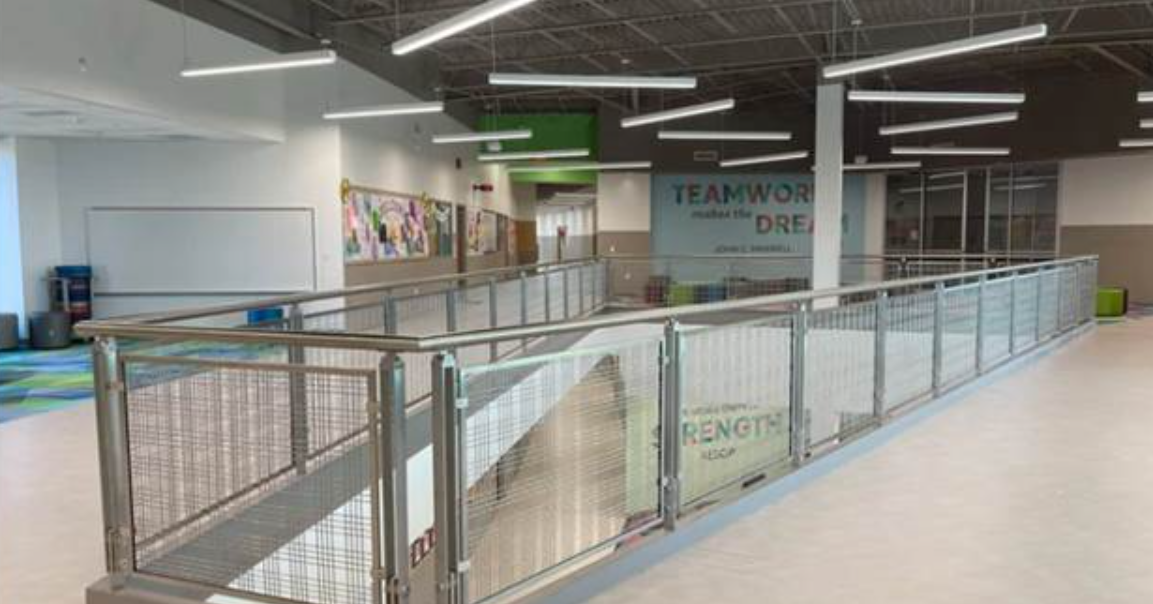
Pre-engineered modular systems use standardized attachment methods that crews learn once and repeat across every bay of the installation. The first connection takes the longest. After that, the crew has the tools staged and the steps memorized. On a large project, per-post install time drops quickly over the first few dozen posts, then levels off. Traditional field-fabricated systems don't get this benefit because each connection is semi-custom.
4. Code Documentation Travels With the System
Modular systems from established manufacturers arrive with ICC-ES evaluation reports, ADA compliance documentation, and jurisdiction-specific certifications (such as Miami-Dade NOA for HVHZ zones) already in place. The AHJ gets what they need from existing documentation rather than requiring project-specific engineering submissions. Traditional field-fabricated systems often require stamped engineering drawings and supplementary load calculations prepared specifically for the project, which can add weeks of lead time before any field work begins.
5. Shop Drawings and Submittals Are Ready Up Front
Pre-engineered systems come with shop drawings and submittal packages built from standard templates. The manufacturer adapts them to the specific project rather than creating them from scratch. Submittal review happens faster because the architect, GC, and engineer are reviewing documentation that follows a familiar format with documented structural performance. On traditional field-fabricated systems, submittals can go through multiple revision cycles because the fabricator is engineering the system in parallel with the submittal preparation.
6. Parallel Workstreams Replace Sequential Dependencies
Modular fabrication happens in a factory while site preparation continues in parallel. By the time the site is ready to receive the railing, the components are already fabricated, finished, and staged for delivery. Traditional field-fabricated railings often require sequential dependencies: the GC completes the surrounding work, the fabricator takes field measurements, the shop fabricates to those dimensions, and then installation happens. Each handoff adds schedule time that doesn't exist in a modular workflow.
Where the Time Savings Actually Show Up on a Schedule
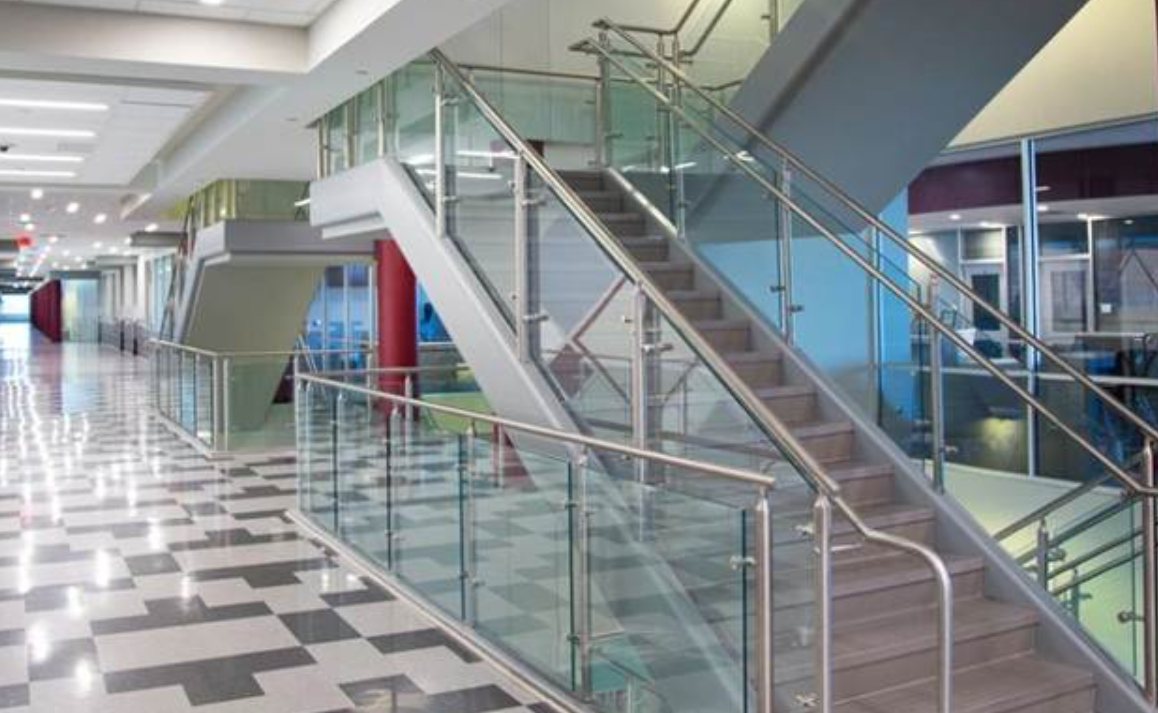
The six reasons above don't save the same amount of time on every project. They show up differently depending on project characteristics.
On straightforward commercial projects with clean geometry, the primary time savings happen on the critical path during installation itself, where fewer field adjustments and no mid-project engineering holds keep each bay moving. On complex projects with custom geometry, aggressive schedules, or multiple AHJs, the savings often show up earlier in the project through faster submittal approval and reduced coordination between the fabricator, engineer, and GC. On projects with phased occupancy, modular systems enable railing installation to happen in parallel with trade work in adjacent areas, which the sequential nature of traditional fabrication typically prevents.
How Much Time Does Modular Actually Save?
It depends on the project and on what you count as install time. A reasonable rule of thumb is that pre-engineered modular systems reduce total railing scope duration (from engineering through final punch list) by 25% to 40% compared to traditional field-fabricated commercial railings, with the biggest savings on projects with meaningful scope and clean geometry.
More importantly, modular systems reduce schedule variance. Traditional field-fabricated railings have long tails on their schedule distributions. Most projects finish close to the estimate, but a meaningful fraction run significantly over due to engineering delays, fabrication errors, or AHJ complications. Modular systems compress that variance because the engineering and fabrication risks are resolved before the components ship.
For projects where railings sit on the critical path, that variance reduction may matter more than the average time savings. A railing scope that reliably finishes on time is worth more than one that averages a few days faster but occasionally runs weeks over.
Why Faster Install Is Really About Faster Project Turnover
Install time matters because railings sit at the end of most project schedules. Faster railing installs protect the whole project schedule from one of the most common late-stage delays.
VIVA's modular railing systems are engineered up front with ICC-ES ESR-4405 documentation, Miami-Dade NOA 23-0830.02 for HVHZ applications, pre-prepared submittal packages, and in-house fabrication in Lewisville, Texas. Combined with direct installation by VIVA's own crews, that's what keeps railing scopes off the critical path.
For a broader look at modular railing systems and the design options they support, see Modular Railing Systems: Benefits, Design Options, and Featured Projects. The Design Assist Services page covers what early-stage engagement looks like when schedule compression is critical to the project.
Request a Quote or Talk to our Sales Team to work through your project.
Frequently Asked Questions About Modular Railing Install Time
What does "pre-engineered modular railing" actually mean?
Pre-engineered modular railing refers to factory-fabricated railing systems where the engineering, structural testing, code documentation, and component design are completed before the system is specified on a project. Specifiers select from standard configurations with documented performance, and the manufacturer adapts the standard system to the specific project rather than engineering it from scratch.
Can modular railing systems handle custom design?
Yes. Modern modular systems offer extensive customization within the framework of pre-engineered components: infill materials (glass, cable, perforated metal, multiline, wire mesh), finishes, mounting styles, configurations (straight, angled, curved), and integrated features like LED lighting. The pre-engineering is what makes the system fast to install; the customization happens through component selection rather than custom field fabrication.
Do modular systems work for signature architectural projects?
They work well for most signature projects and are often preferred because the pre-engineered load paths and documented structural performance give architects confidence that the system will meet code even on unusual geometries. For truly unique architectural moments (fully custom atrium stairs, non-standard geometries), hybrid approaches combine modular components with limited custom fabrication where it adds the most value.
Does modular always finish faster than traditional field fabrication?
On most commercial projects, yes. The exceptions are small, standardized residential projects where traditional field fabrication is quick enough that modular's pre-engineering overhead doesn't pay back, and highly specialized architectural projects where custom fabrication is justified by the design intent. For most commercial scope between those extremes, modular finishes faster with less schedule variance.