Architectural Railing Trends for 2026: What's Next in… | VIVA Railings

 21 Years of VIVA Railings | 2005 – 2026  Learn More

FOTOFACADE WALL SYSTEMS 001

Architectural Railing Trends for 2026: What's Next in Commercial Design

Railing design is increasingly becoming a focal point in commercial designs. From mixed materials to custom detailing, architects and designers are turning to railings to not just offer safety and code compliance but to also make a statement about the company, its people, and its mission. These architectural trends can be seen throughout different industries and in different geographical areas and offer the ability to customize a design to truly meet the needs of the building and the people who use it. 

Advances in Metal Fabrication

Metal fabrication is an ever evolving industry and skill. New developments in fabrication machines allow for more precise cutting, faster manufacturing, and an enhanced focus on sustainability and performance. CNC laser cutting, for instance, is becoming more efficient and precise, allowing for more intricate designs as seen in the Rockdale ISD Elementary FOTOFACADE panels that feature an integrated pawprint pattern across the system. 
2

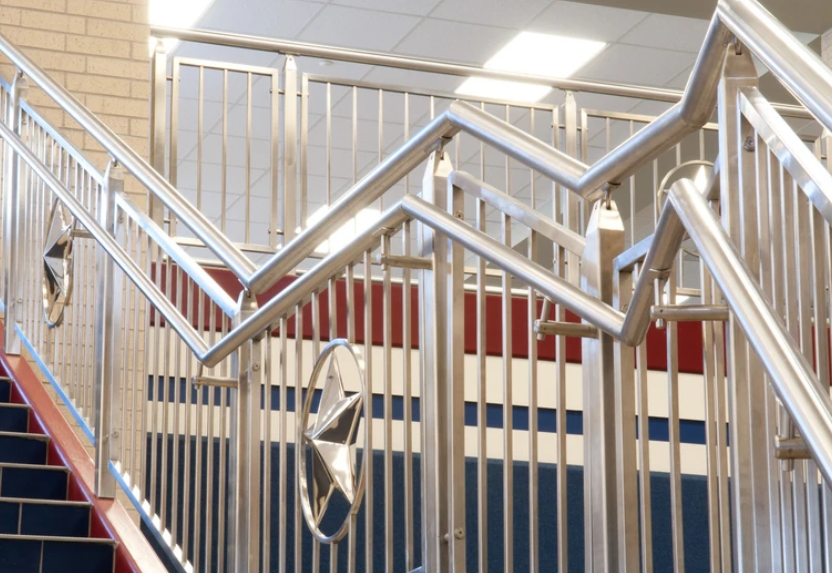
These advances also create the opportunity to enhance designs with customized features. The CUBE Picket railing design at Paris High School, for instance, customized the prefabricated railing system with a Texas star design. Known for their academic accomplishments, this detail is a subtle nod to their state pride. 

Mixed Material Systems

3

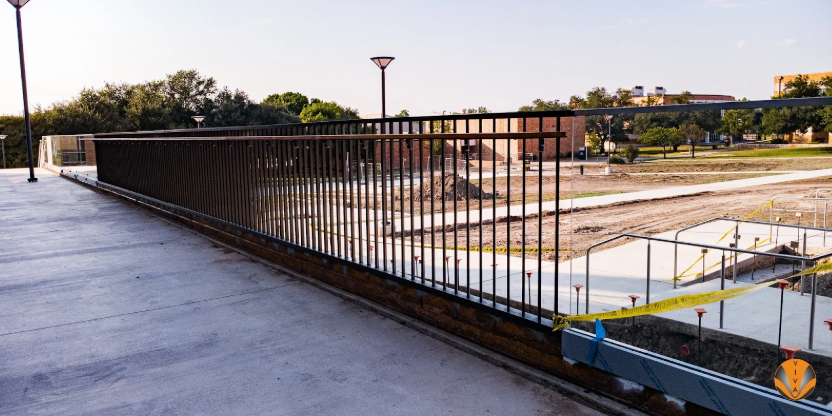
Incorporating mixed materials into a design is a surefire way to create a standout, one-of-a-kind railing. In this system at Temple College, a glass handrail is integrated into a railing that also features the SLAT railing system. Pairing these systems together is an example of how mixed material architectural trends allow you to create spaces tailored to those using it. Here, a wood ledge offers a place for students to place their bags or drinks as they stop for a few minutes between classes. 

Innovation and Customization

Architecture is trending towards customization in 2026. Standard designs and expectations are old news as modern designs seek to meet the needs of a space in new and exciting ways. 

1

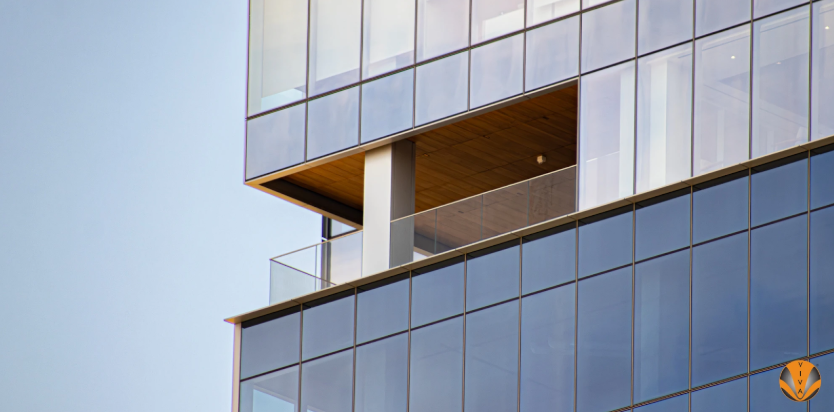
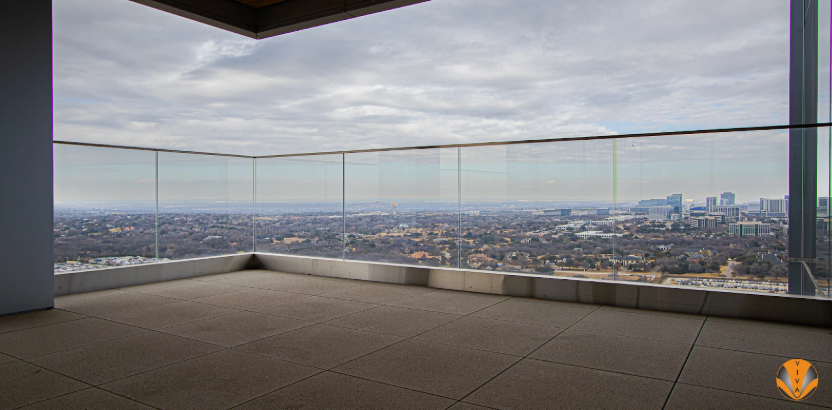
Towering over Plano, Texas, Ryan Tower showcases innovations in material applications and customization. Architects designed an outdoor space halfway up the glass facade where people can step outside for fresh air when needed. 

5

To keep the space code compliant and secure, the SHOE system uses a patented compression set aluminum base shoe to secure glass panels, creating safety without compromising the stunning view. 

Emphasis on Transparency and Sustainability

6

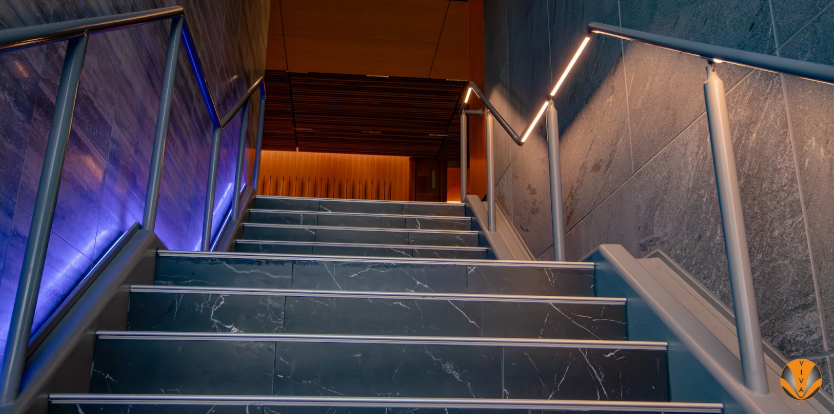
Incorporating more sustainable material and methods, like LED lighting and CeraShield coating, is better for the environment. Both of these examples, among others, contribute to achieving LEED certification and help keep the process transparent. Metal and glass are recyclable materials that can see a life after they’ve served their purpose in a design. These qualities are important to modern architects, designers, and business owners as they choose materials for each project. 

Code Driven Performance

7

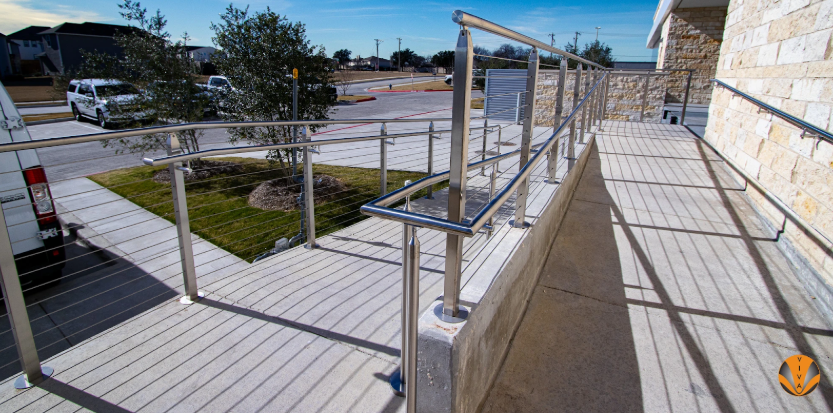
Meeting building codes isn’t optional. Building codes set a standard to which architects and contractors must adhere for the safety of everyone who will use the space. Beyond building codes, ADA accessibility standards ensure that public spaces are as accessible as possible to as many people as possible. Choosing railing systems that meet and even exceed building code standards creates an environment that is both safe and supportive while meeting all of the necessary requirements.

Luckily, meeting building codes doesn’t detract from style and aesthetics as proven by the CUBE Cable railing system at Lifepath Systems. The code-compliant cable railing showcases square posts with monolithic pyramid top cabs and features continuous clean lines that meet the necessary standards. Handrails and top rails meet profile and placement requirements to create a safe system that enhances the building’s exterior.  

Shift from Functional to Intentional

8

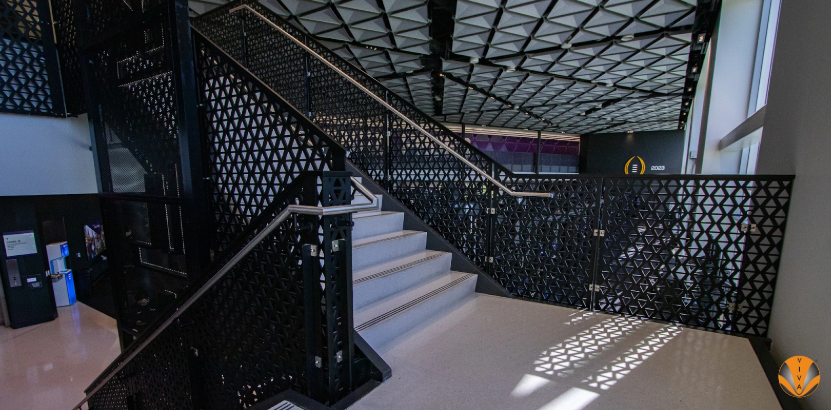
Handrails serve a very functional purpose, they are there for safety, after all. But architectural railing trends are shifting away from handrails as simply a functional element towards using them intentionally and as part of the larger design. 

The STRUC railing design at the Texas Christian University Athletics Center is a perfect example of how functional systems are being intentionally integrated into spaces. The CNC laser cut patterns mirror the architectural ceiling design and the black outline is in turn mirrored in the panel color. This moves the railing beyond just a safety necessity and into an integral part of the overall design. 

Stay on Trend with VIVA Railings

At VIVA Railings, we’ll partner with you to take your design to the next level, capturing architectural trends to design a modern, functional, and innovative railing system. Our prefabricated systems offer a range of customization options that allow you to mix materials, take advantage of advancements in fabrication, lean into sustainability, and create a functional and intentional space.

Contact the experts at VIVA Railings today to explore 2026 architectural trends and design a railing that fits your project. 

Searching....