


The word "turnkey" gets used loosely in commercial railing sales conversations. Almost every vendor claims to offer it. Very few actually deliver it. The gap between what vendors say and what they can genuinely execute becomes visible around week 12 of a project schedule, when a shop drawing revision is stuck because engineering was outsourced, or when a punch list item drags because the installation crew works for a different company than the fabricator.
For architects, general contractors, and owners evaluating railing vendors, the question isn't whether a vendor uses the word "turnkey" in their marketing. The question is whether the vendor can actually deliver every phase of the railing scope under one roof, from design through post-installation support, without handing pieces off to third parties that add coordination cost and schedule risk.
This piece lays out a real framework for evaluating turnkey railing vendors: what turnkey actually means, the five capabilities that matter, the questions that cut through marketing language, red flags worth taking seriously, and honest situations where a fragmented approach makes more sense than turnkey.
What "Turnkey" Actually Means in Commercial Railings
Turnkey is a spectrum, not a binary. On one end, a fully integrated turnkey vendor performs engineering, fabrication, delivery, installation, code documentation, and post-installation support in-house with their own staff, in their own facilities, under one contract. On the other end, a vendor claiming turnkey may perform only fabrication in-house while outsourcing engineering to a stamped-drawing service, sourcing components from third-party manufacturers, subcontracting installation to independent crews, and disclaiming responsibility once the punch list is signed.
Most vendors sit somewhere between those two extremes. That's not necessarily bad. But it does mean that "turnkey" in a sales conversation can mean any of a dozen different operating models. Understanding where a vendor actually sits on this spectrum is the single most important thing to figure out during vendor evaluation.
The reason it matters comes down to accountability. When a shop drawing needs revision, who makes the change and how long does it take? When a glass panel breaks during construction, who owns the replacement and installation? When the AHJ asks for supplementary code documentation, who provides it? When a specifier asks a design question at the schematic stage, who answers it (and how quickly)? In a true turnkey engagement, all of these questions have one answer: the same vendor, using their own staff, without waiting on third parties.
The Five Capabilities That Matter
Here are the five in-house capabilities that separate genuine turnkey vendors from vendors who use the word without the operating model behind it.
1. In-House Engineering
A turnkey vendor's engineering team designs custom systems, performs the structural calculations, prepares stamped drawings when required, and adapts standard products to project-specific conditions. Engineering owns the technical relationship with the specifier from schematic design through installation.
Questions worth asking:
- Do you have licensed structural engineers on staff, or do you subcontract engineering to an outside firm?
- Who prepares shop drawings, and what is the average turnaround for revisions?
- Can your engineering team participate in design assist during schematic design and design development, before we go to bid?
- Have you engineered custom systems on projects similar to ours, and can we see examples?
Red flag: A vendor that can't answer these questions specifically, or who says "we work with a great engineering partner" without being able to name them and describe the working relationship.
2. In-House Fabrication
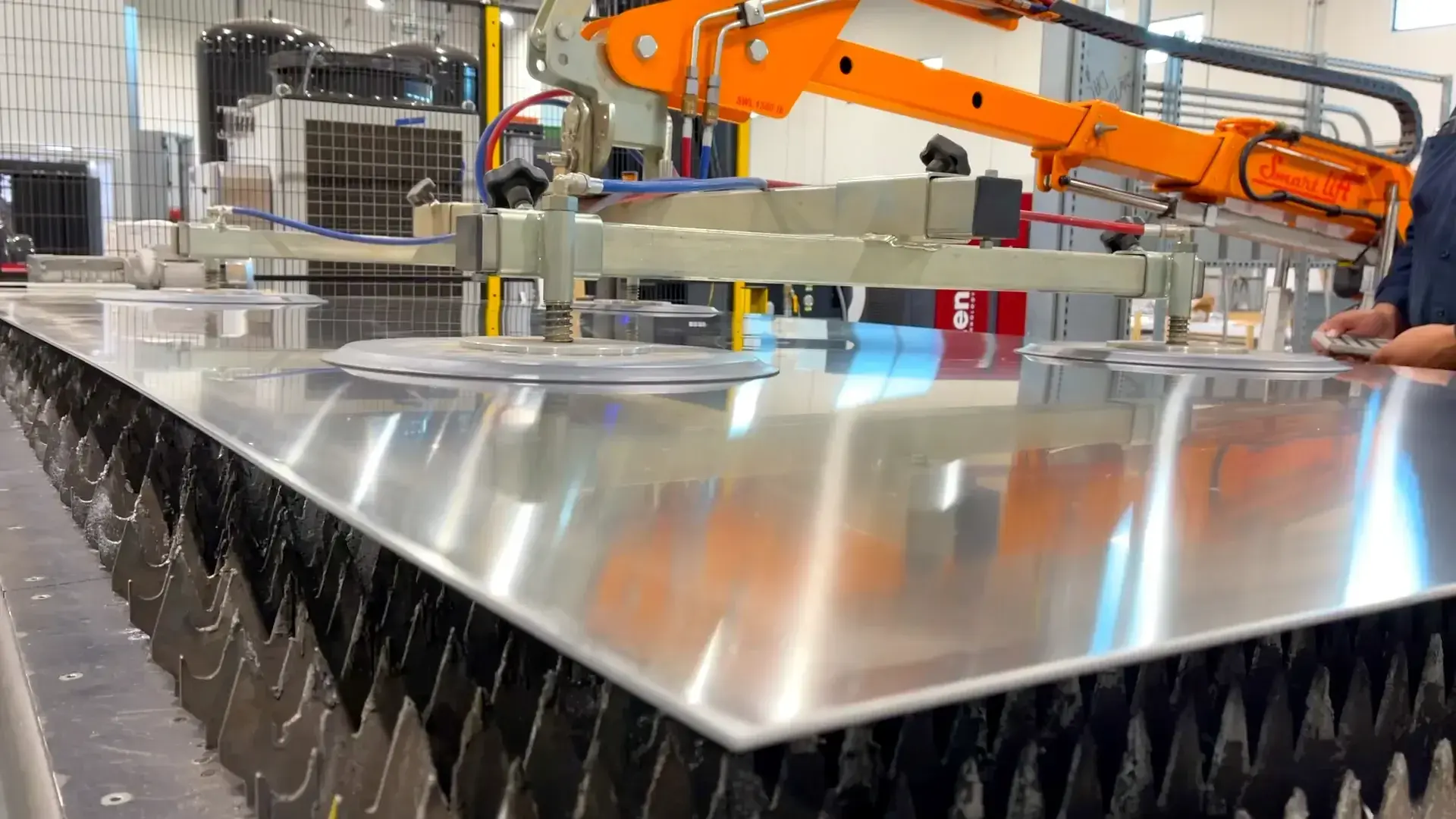
A turnkey vendor manufactures the railings themselves, in their own facility, with their own staff. They do not resell components sourced from third-party manufacturers with their label applied. This matters because fabrication ownership determines quality control, revision speed, and accountability when something goes wrong.
Questions worth asking:
- Where is your fabrication facility located, and can we tour it?
- What percentage of the components in a typical project are fabricated in-house versus sourced from suppliers?
- What is your quality control process, and who owns it?
- How fast can you turn around a custom fabrication request during construction?
Red flag: A vendor that manufactures nothing themselves and functions as a distributor or reseller. This isn't inherently bad for standard products, but it means the vendor has less ability to solve problems, revise designs mid-project, or take responsibility for defects.
3. Direct Installation
A turnkey vendor installs their own railings, with their own crews, on their own payroll. They do not subcontract installation to independent third-party installers who happen to be certified on the product. Installation quality directly determines whether the finished railing meets the design intent, and the vendor that fabricated the product is best positioned to install it correctly.
Questions worth asking:
- Are your installers direct employees of your company, or subcontractors?
- What certifications and training does your installation team hold?
- How do you handle installation coordination with the GC's schedule?
- Do you provide post-installation punch list support, and how is that scoped?
Red flag: A vendor that uses local independent installers "as needed" or "based on regional coverage." This can work well when the local installer is qualified, but it introduces variability that a truly turnkey vendor avoids by keeping installation in-house.
4. Code Documentation and Compliance Ownership
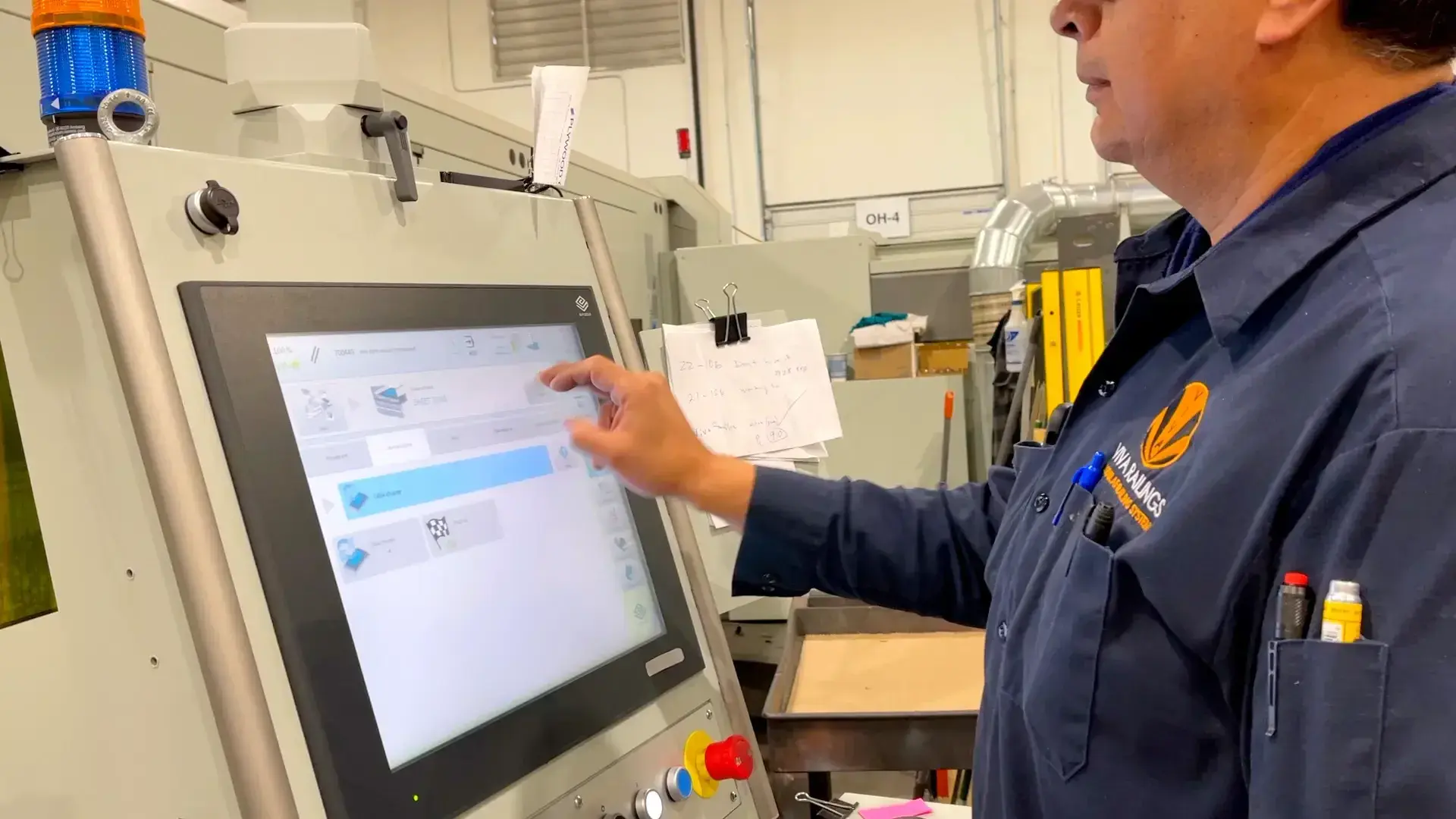
A turnkey vendor takes responsibility for the code compliance of their systems. That means providing evaluation reports, engineering documentation, and jurisdiction-specific certifications (ICC-ES, Miami-Dade NOA, ADA compliance, LEED contributions) without requiring the GC or architect to source them from separate documents.
Questions worth asking:
- Do you have ICC-ES evaluation reports for your primary structural systems?
- Do you carry Miami-Dade NOA documentation for high-velocity hurricane zone applications?
- What ADA compliance documentation do you provide with each project?
- Who handles jurisdiction-specific plan review questions during construction, and how quickly?
Red flag: A vendor that can't produce evaluation report numbers on request, or who says "our systems meet code" without being able to point to specific third-party evaluation documentation.
5. Post-Installation Support and Warranty
A turnkey vendor stays engaged after the punch list is signed. That means clear warranty terms, responsive support when replacement components are needed, and continued availability of parts for the design life of the railing.
Questions worth asking:
- What is the warranty on your railing systems, and what does it cover?
- If a glass panel is damaged five years after installation, how quickly can you fabricate and deliver a replacement?
- Do you maintain records of what was installed on our project, so replacements can be sourced without redesigning?
- What is your post-installation punch list process?
Red flag: A vendor that provides a standard warranty document but can't describe how they actually service warranty claims, or who has no clear process for supplying replacement components years after installation.
Red Flags Worth Taking Seriously
Beyond the capability-specific red flags above, here are patterns that consistently correlate with problems during execution.
Vague answers to specific questions. A vendor who responds to "who does your engineering?" with "we have a great team that handles it" without specifics is almost always deflecting because the honest answer involves outsourcing. Ask again with more specificity. If the answer stays vague, treat it as an answer.
Pricing that seems too low relative to comparable proposals. Railings are labor-intensive to fabricate and install correctly. A quote that comes in 30% below comparable turnkey proposals almost always reflects one of three things: components sourced from lower-quality suppliers, engineering that will be outsourced or minimal, or installation that will be subcontracted to whoever bids lowest locally. Value engineering has limits; below a certain point, cost savings become quality losses.
No named references from projects similar to yours. A vendor that can't point to specific completed projects at similar scale, in similar building types, with similar code jurisdictions, may not have actually done work at your scale before. Ask for the GC and architect names on their reference projects. Actually call them.
Reluctance to participate in pre-construction design assist. Vendors who only want to engage after bidding are typically not equipped to add design value during schematic and design development. That's a signal about the depth of their engineering capabilities.
Marketing that emphasizes product features but avoids process. A vendor's website full of beautiful project photos but no clear explanation of how they engineer, fabricate, install, and support their systems is often selling the outcome without the operating model that produces it.
The Hard Questions Worth Asking
If time is limited, these are the five questions that most efficiently reveal where a vendor actually sits on the turnkey spectrum.
1. Who does your engineering, where do they sit, and can I speak with them? The answer reveals whether engineering is genuinely in-house.
2. What percentage of the components on a typical project do you fabricate in-house? The answer reveals whether the vendor is a manufacturer or a distributor.
3. Are your installers on your payroll or subcontracted? The answer reveals whether installation quality is controlled by the vendor or by whoever gets the sub work.
4. Can you send me your ICC-ES evaluation report and Miami-Dade NOA documentation? The answer reveals whether the vendor's code documentation is real or aspirational.
5. If a glass panel breaks in year seven, walk me through how a replacement gets sourced and installed. The answer reveals whether post-installation support is a policy or a promise.
The answers to these five questions tell you more about a vendor's actual capabilities than any amount of marketing material.
When Turnkey Isn't the Right Fit
Turnkey isn't automatically the right specification approach for every project. Being honest about where fragmented delivery makes more sense is part of being a legitimate advisor rather than a marketer.
When the railing scope is small and standardized. For a simple modular handrail installation in a light commercial project, a fully turnkey vendor may bring engineering capacity and support infrastructure that the project doesn't need. Purchasing standard products from a distributor and using an experienced local installer can be more cost-effective without meaningful risk.
When the project has a strong integrated GC with in-house installation capability. Some larger GCs have their own metal fabrication and installation divisions that can handle standard railing work. In those cases, sourcing product-only from a manufacturer and using the GC's own crews may make sense.
When the design brief is fully generic. Turnkey vendors add the most value on projects with custom design, complex geometry, unusual code requirements, or aggressive schedules where coordination cost is real. For projects where the design is a standard specification with no customization, the coordination overhead of turnkey engagement may exceed its value.
When the vendor's local install coverage is weak. If a turnkey vendor's own installation crews are far from the project site, subcontracting to a qualified local installer may actually deliver better installation quality than trying to deploy the vendor's own crew across a long distance.
For a broader look at general commercial railings partner selection beyond the turnkey question, the Top 6 Considerations When Looking for a Commercial Railings Partner article covers the introductory-level evaluation criteria in less depth.
Vendor Evaluation Is Really a Risk Question
Every railing vendor evaluation is ultimately a risk allocation question. Turnkey vendors take on more of the project risk (engineering, fabrication, installation, code, warranty) in exchange for a higher line-item price. Fragmented delivery distributes that risk across multiple parties, usually at lower nominal cost but with higher coordination overhead and more potential failure points.
The framework above isn't about choosing turnkey by default. It's about being able to see clearly what a vendor actually delivers, what the tradeoffs are, and where the risk sits on a specific project. Sometimes turnkey is the right answer. Sometimes fragmented delivery is. The important thing is knowing which one you're actually buying, not just what the marketing says.
VIVA operates as a fully integrated turnkey railing manufacturer with in-house engineering, in-house fabrication in Lewisville, Texas, direct installation crews, ICC-ES ESR-4405 documentation, Miami-Dade NOA 23-0830.02 for HVHZ applications, and post-installation support across every project. The Design Assist Services page covers what early-stage manufacturer engagement looks like when turnkey is the right fit for your project.
Request a Quote or Talk to our Sales Team to work through your project.
Frequently Asked Questions About Evaluating Turnkey Railing Vendors
What does "turnkey" actually mean in commercial railing work?
Genuine turnkey means the vendor performs engineering, fabrication, delivery, installation, code documentation, and post-installation support in-house with their own staff, in their own facilities, under one contract. Many vendors use the word turnkey while outsourcing significant portions of that scope. The difference matters for accountability, schedule, and quality control.
Is turnkey always more expensive than fragmented sourcing?
Not usually, when total cost of delivery is considered. Turnkey vendors typically cost more per line item, but they eliminate coordination cost, reduce schedule risk, prevent gap-in-scope arguments during construction, and centralize warranty responsibility. On projects with meaningful railing scope, the total delivered cost of turnkey is often lower than fragmented delivery once schedule and coordination costs are included.
How do I verify a vendor actually performs work in-house?
Ask specific questions with specific answers required. Request a facility tour. Ask for the names of licensed engineers on staff. Ask for installer certifications and employment status. Ask for named references and call them. A vendor that resists specifics is signaling something worth listening to.
Should I include design assist in the vendor evaluation?
Yes, if the project has design complexity that would benefit from manufacturer input during schematic or design development. Vendors capable of contributing to design decisions before bidding demonstrate engineering depth that's harder to demonstrate later. Ask specifically about their design assist process and what a pre-construction engagement looks like.