

 Stainless Steel Cable Railing in Boulder, CO | VIVA Railings
 Resources








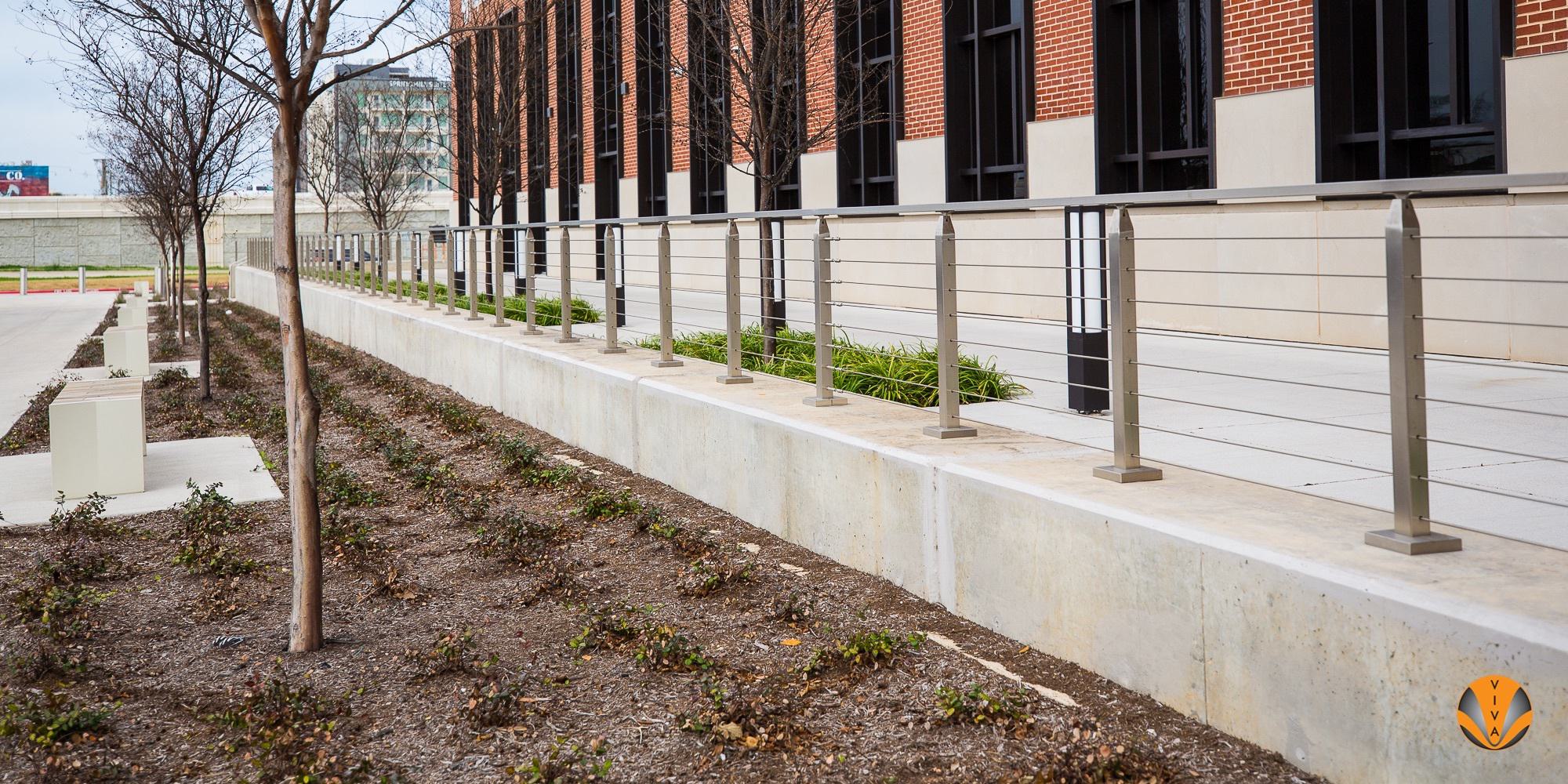
Stainless Steel Cable Railing for Boulder's University, Hospitality, and Tech Commercial Market
Boulder is a small city with an outsized commercial construction identity — driven by one of the country's premier research universities, a technology and life science industry that has grown significantly around the CU ecosystem, and a hospitality and outdoor recreation market that consistently punches above its population weight. In this environment, stainless steel cable railing is specified for reasons that go beyond the code requirement. The material is expected to hold up in Colorado's high-altitude outdoor conditions, to coordinate with the natural material palettes that define Boulder commercial architecture, and to satisfy the specification-literate design teams that work on CU campus and premium commercial projects in the city.
The grade distinction matters in Boulder. The city is not a marine environment — there is no salt air, no ocean proximity — but the combination of altitude UV intensity, Boulder Creek and its tributary corridors, and the freeze-thaw cycling between Boulder's mild-but-cold winters and intense summers creates an outdoor corrosion environment that rewards 316 stainless over 304 for exterior applications. The molybdenum content in 316 provides additional pitting resistance in the presence of the localized moisture and chemical variation that riparian environments generate. VIVA specifies 316 for Boulder exterior applications as a standard practice, not a premium option, and helps teams understand where 304 is appropriate for budget-sensitive interior scopes without compromising outdoor performance.
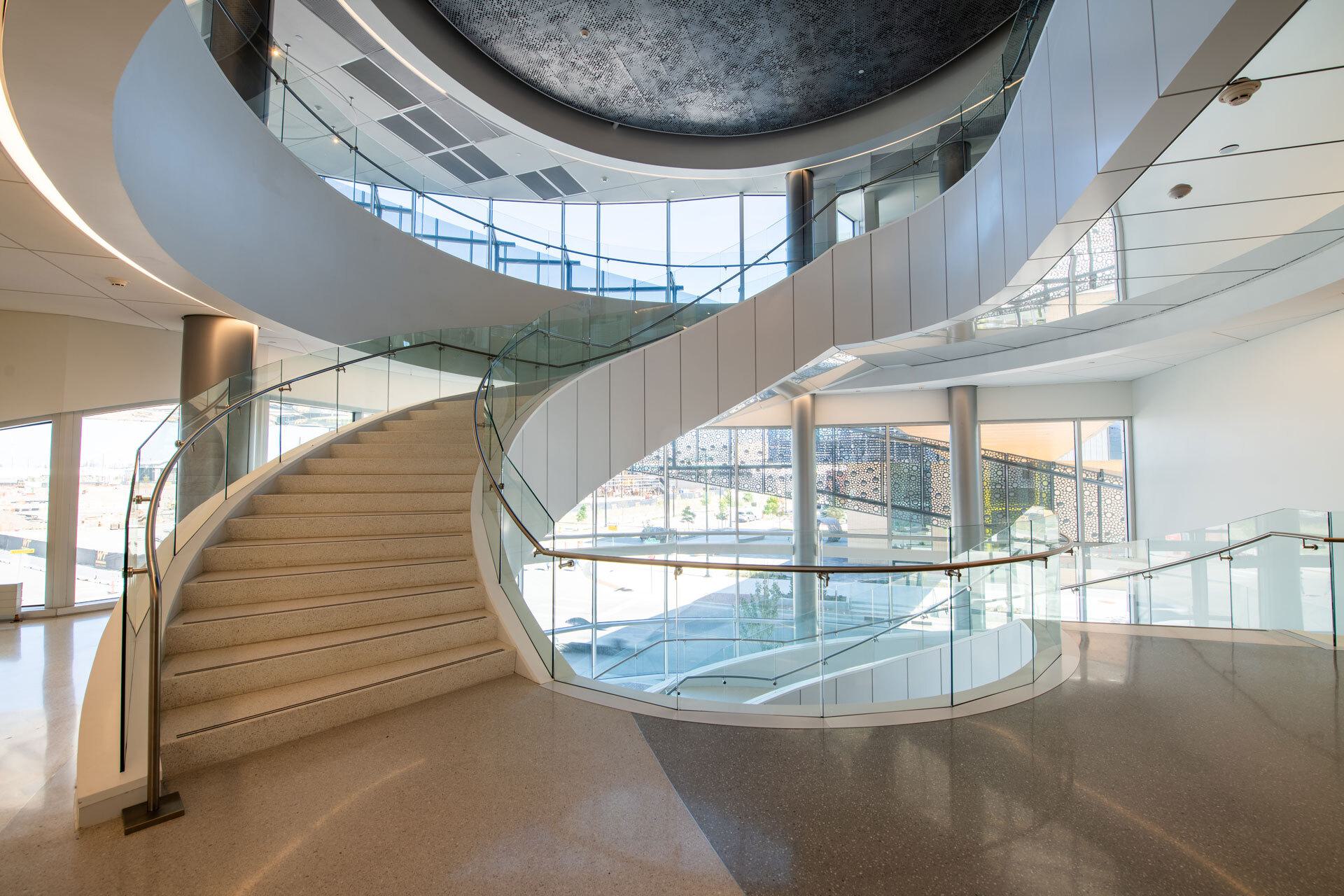
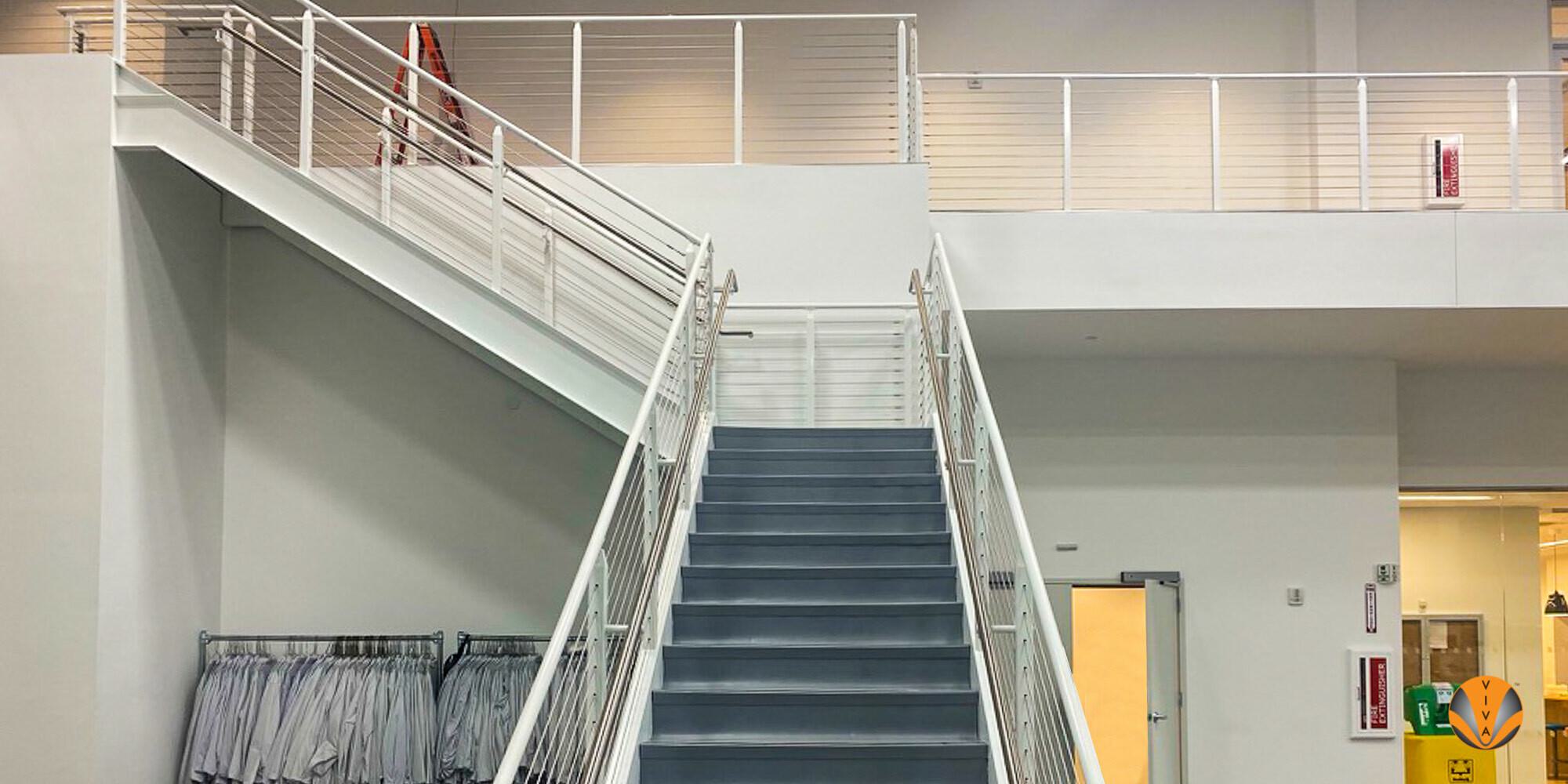
The University of Colorado generates a sustained commercial construction pipeline that shapes Boulder's railing market significantly. CU campus projects — from the main campus buildings on the Hill to the research and life science corridor along CU South and the NOAA campus on Broadway — have a thorough institutional review process that rewards well-documented submittals. Cable railing on CU projects typically appears on stair features, mezzanine edges in academic buildings, and the outdoor walkways and plaza edges of the campus's open, Colorado-climate-oriented design. Early coordination on post anchor conditions and glass or cable specification lets the railing submittal move through Facilities Management review without becoming a schedule constraint.
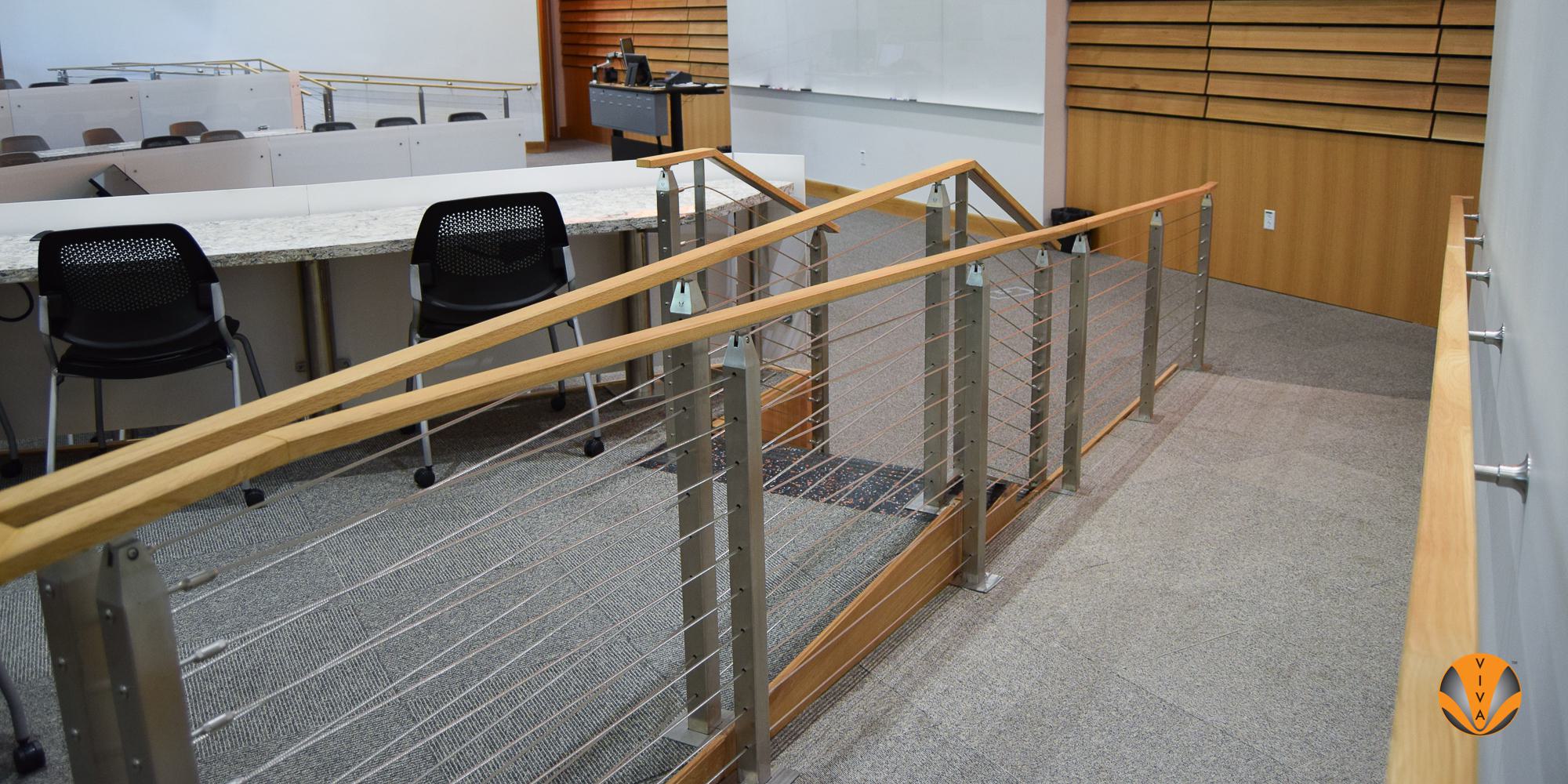
Pearl Street and the downtown Boulder core — including the Pearl Street Mall pedestrian corridor, the adjacent mixed-use blocks, and the hospitality and brewery corridor along Walnut and Canyon — represent the most design-conscious slice of the Boulder commercial railing market. Cable railing in this context is often paired with wood top rail, natural stone post bases, or exposed concrete — combinations that require finish guidance and connection detailing beyond a standard off-the-shelf cable railing specification. VIVA's design-assist workflow is built for this level of material coordination.



 Schedule Meeting
 Connect on LinkedIn