




Dot, Line & Square Gradient

VIVA’s gradient glass patterns add movement, privacy and visual interest to glass railings. Each design uses dots, lines or squares that shift in density across the glass. They go from a more solid coverage to an open, clear view, creating a smooth transition you notice right away. Gradient glass gives designers a refined way to soften views, add privacy where it’s needed most and bring a modern, architectural detail to stairs, balconies and atriums.
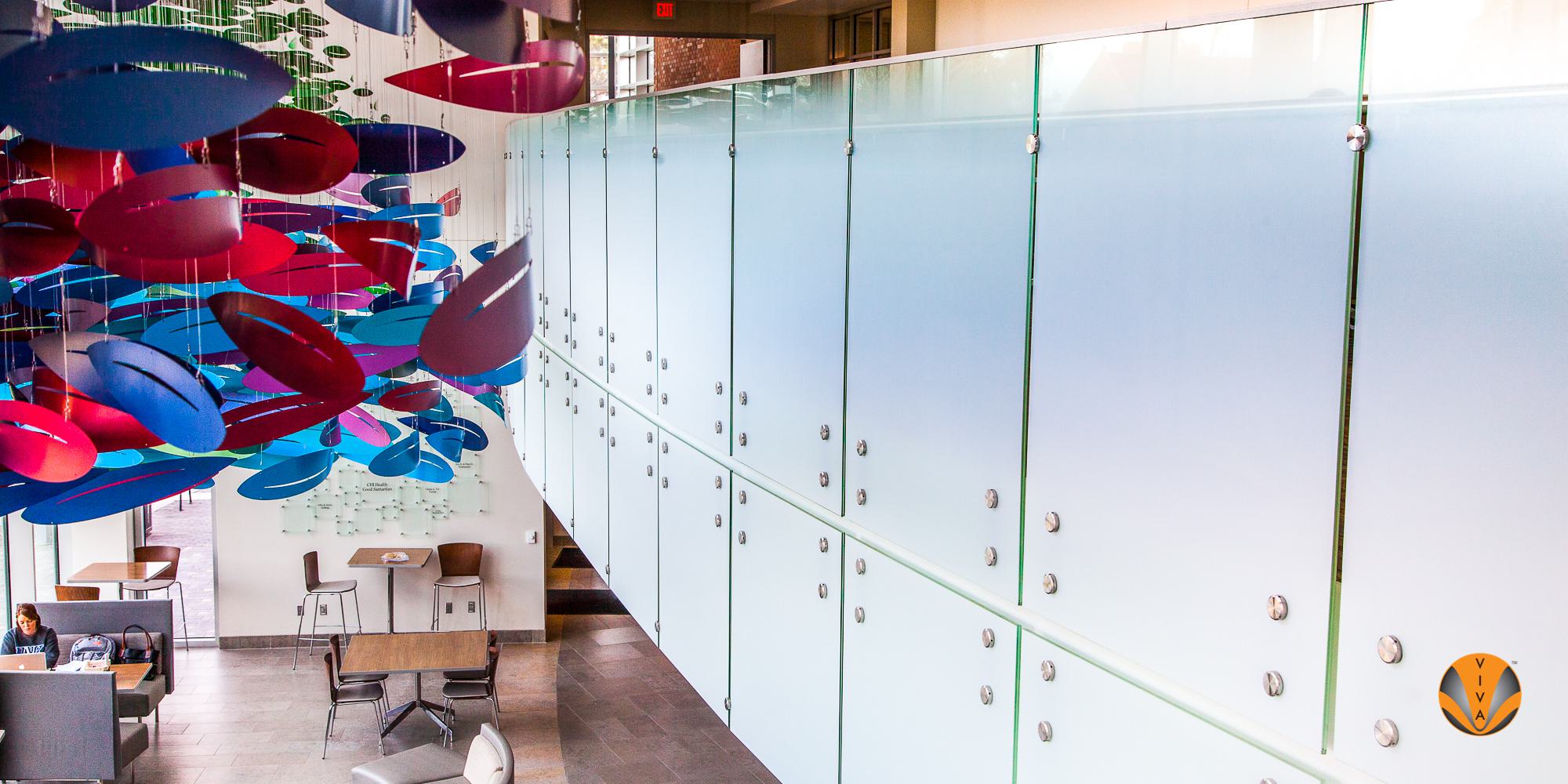
LG 01

LG 01

PDF
LG 02

LG 02

PDF
LG 03

LG 03

PDF
LG 04

LG 04

PDF
LG 05

LG 05

PDF
LG 06

LG 06

PDF
DG 01

DG 01

PDF
DG 02

DG 02

PDF
DG 03

DG 03

PDF
DG 04

DG 04

PDF
DG 05

DG 05

PDF
DG 06

DG 06

PDF
SG 01

SG 01

PDF
SG 02

SG 02

PDF
SG 03

SG 03

PDF
SG 04

SG 04

PDF
SG 05

SG 05

PDF
SG 06

SG 06

PDF
Featured Wire Mesh

Why Choose Gradient Glass?

  • Privacy where you need it: Denser pattern coverage at the bottom of a panel screens views at floor level, and the clearer upper area keeps sightlines open.
  • Smooth visual transition: The gradient effect adds a sense of motion and depth that a solid or uniform pattern can’t match.
  • Modern, architectural look: Clean geometric shapes complement contemporary interiors, glass facades and minimalist design.
  • Reduces glare and softens light: Patterned areas diffuse light and help cut glare in bright spaces.
  • Bird and visibility awareness: Visible patterns make glass easier to see, which can help people notice a glass railing.
  • Consistent design across a project: The same gradient can repeat across every panel for a unified, intentional look.

Where Gradient Glass Works Best

  • Colleges and universities: Feature stairs and atriums in science, medical and academic buildings
  • Libraries and public buildings: Open, welcoming spaces with added privacy at floor level
  • Retail and showrooms: A sleek, modern detail that complements premium brands
  • Corporate offices: Stairs, mezzanines and balconies that need a balance of openness and privacy
  • Healthcare facilities: Calm, refined glass that softens views and light
  • Multifamily residential: Balconies where residents want privacy without losing the view
DESIGN ASSIST

DESIGN-ASSIST SERVICES

Bridging the gap between architectural vision and reality.

Ready to Elevate Your Space?

Let our team of experts help you select the perfect railing system for your project.

Contact our Product Specialist
Perforated Metal Pattern
Searching
Searching....