
 Cable Railing Systems in Denver, CO | VIVA Railings
 Resources

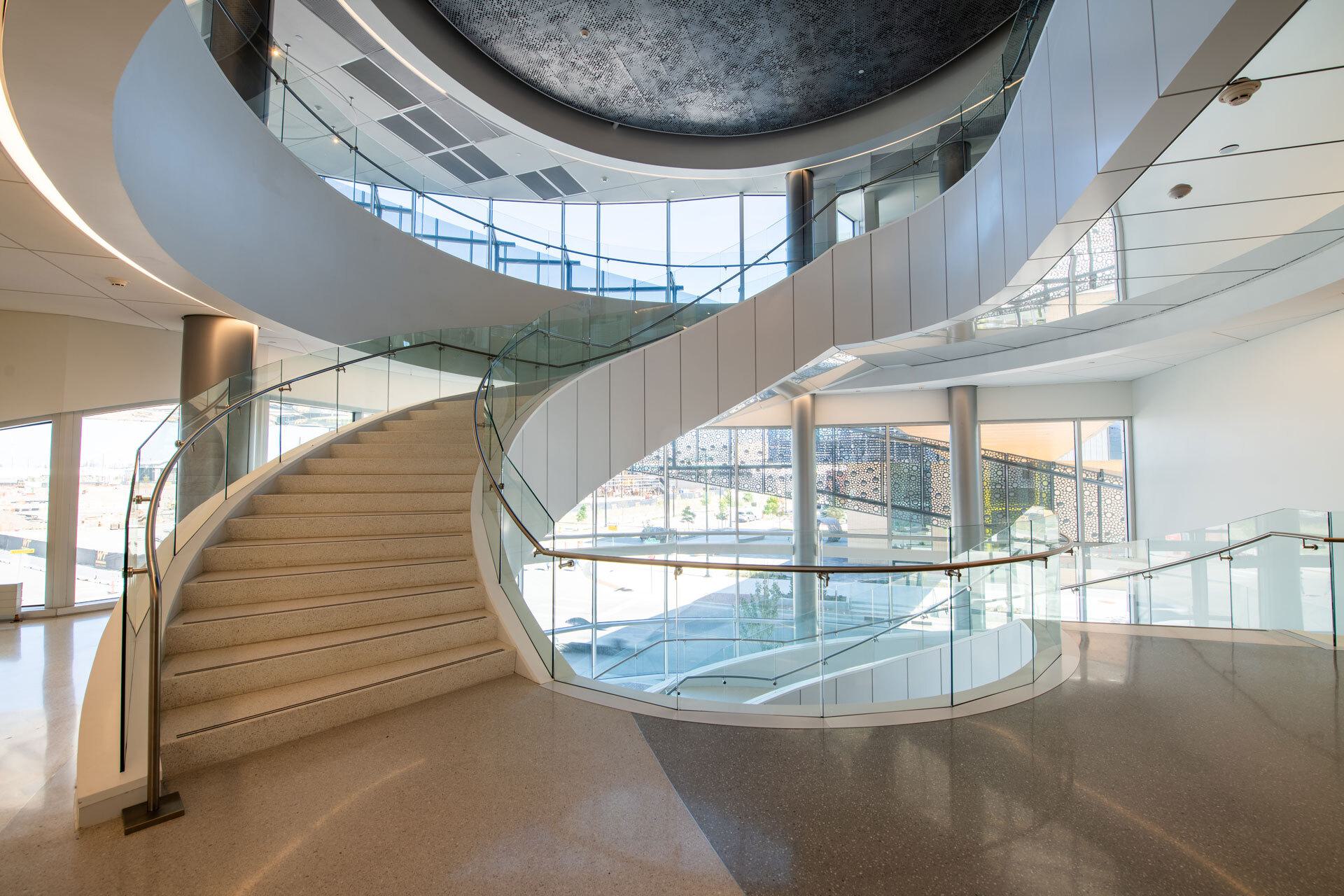







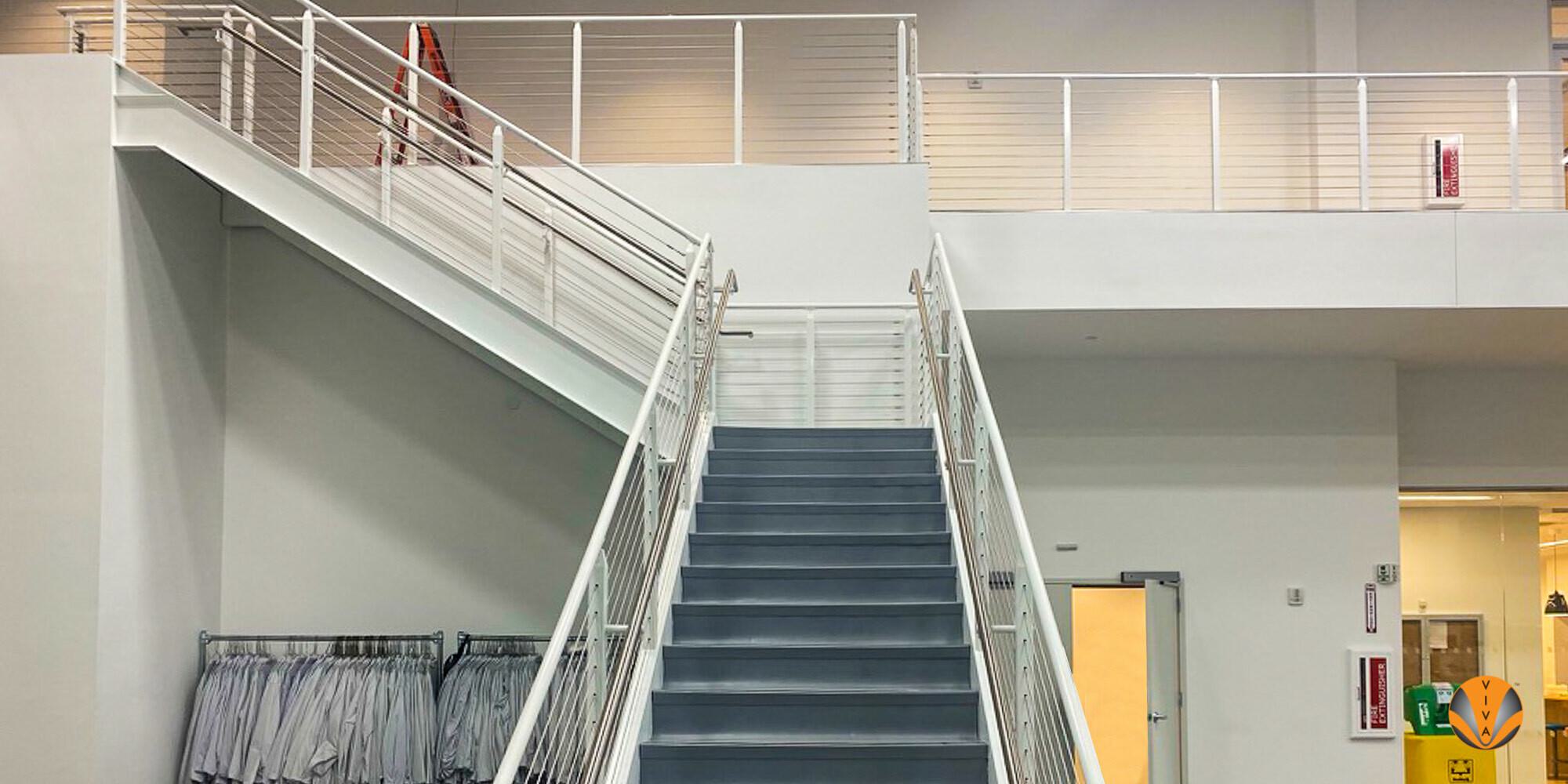
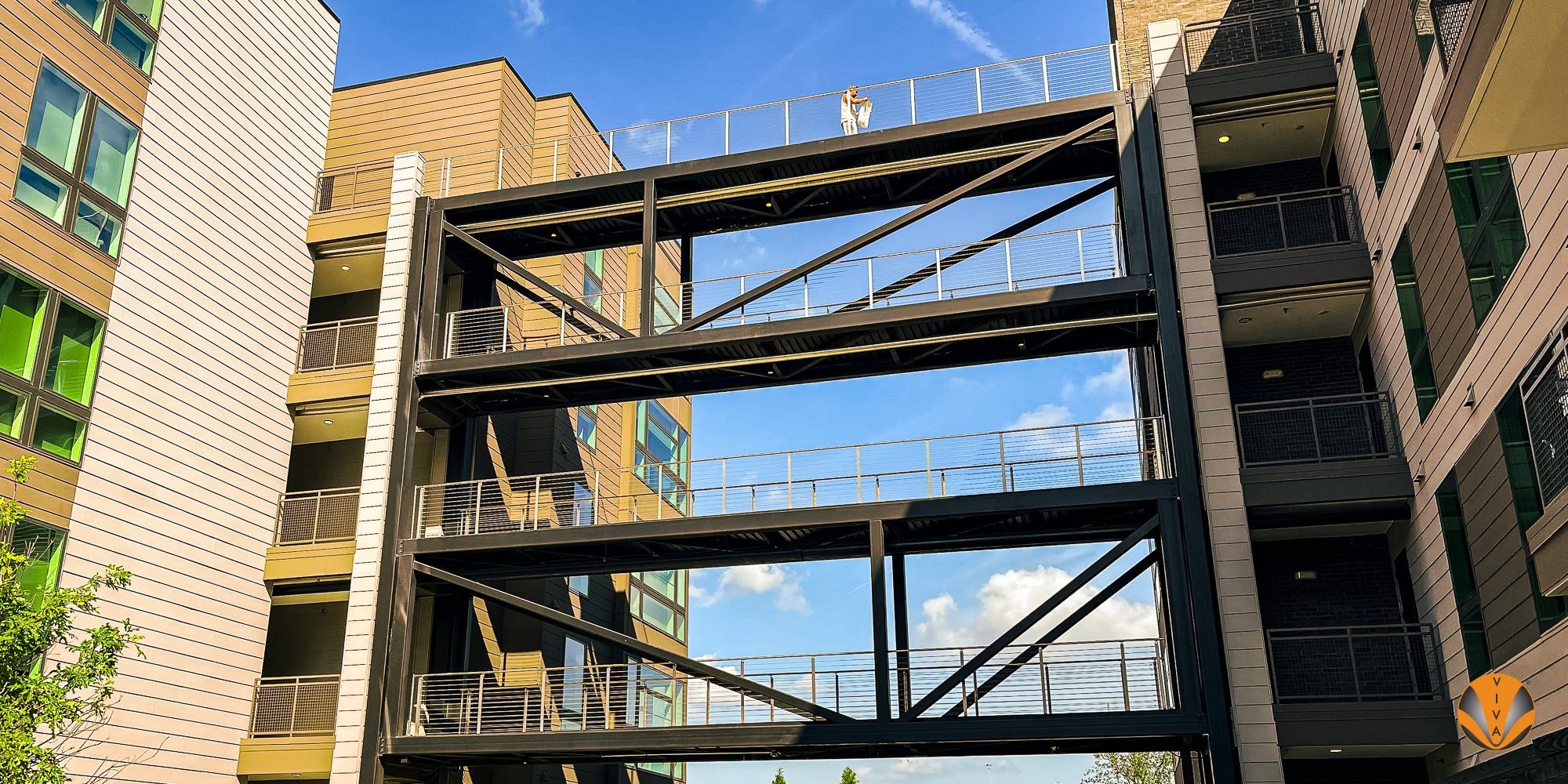
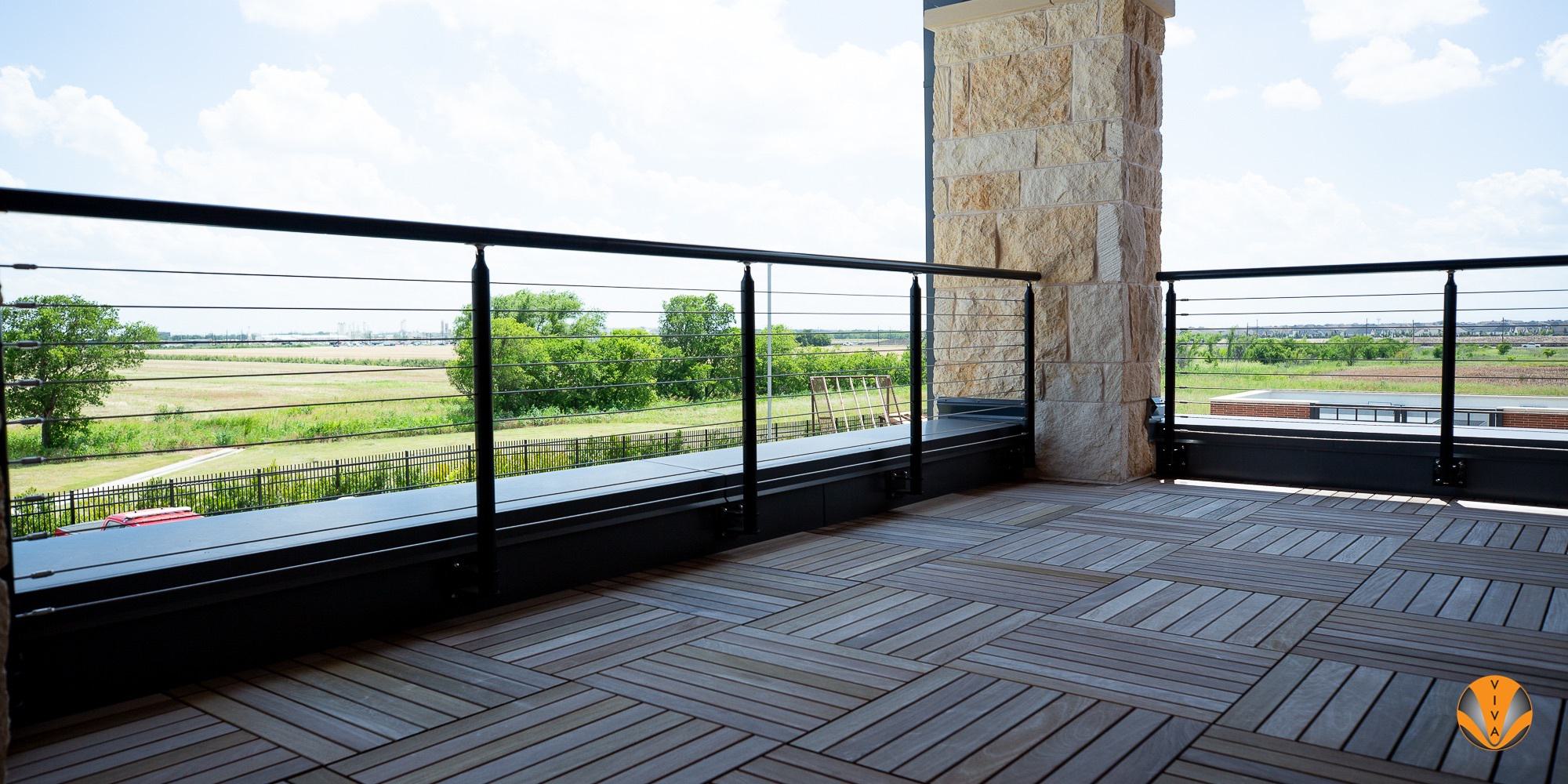
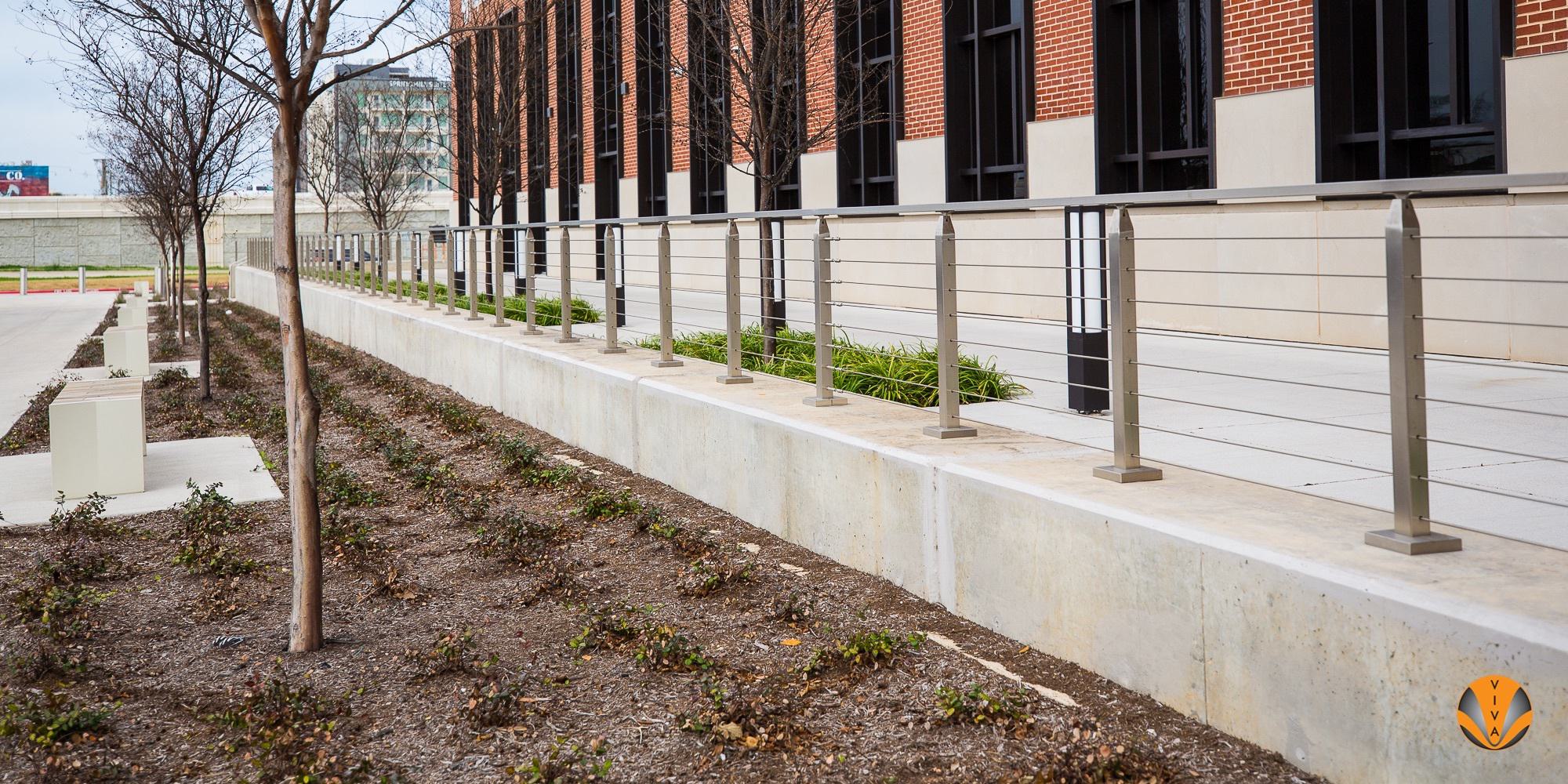
Cable Railing Systems for Denver's RiNo, LoDo, and Front Range Commercial Market
Denver is in the middle of a generational commercial construction cycle — driven by population growth, tech industry expansion, and a quality-of-life narrative that has attracted both residents and employers from across the country at a pace that shows no sign of slowing. The neighborhoods where this growth is most concentrated — RiNo, LoHi, LoDo, the Union Station district, and the Platte River corridor — are places where industrial history and contemporary design ambition coexist, and where cable railing systems are the consistent specification that connects those two things. The open cable profile reads as authentically industrial in a converted warehouse; it also reads as intentionally contemporary in a new mixed-use building. It's the specification that works in both contexts.
Denver's climate is the specification factor that distinguishes Front Range cable railing from other mountain and high-desert markets. The city sits at 5,280 feet — the Mile High altitude is not just a civic brand, it's a UV radiation reality. At Denver's elevation, UV radiation intensity is roughly 25% higher than at sea level for the same latitude, which means powder-coat finishes on outdoor cable railing posts and hardware degrade faster in a single Denver summer than they would in a lower-altitude market. Combined with Denver's freeze-thaw cycling — summer temperatures above 90°F are followed by winters that regularly drop below freezing and can see significant cold snaps — the thermal stress on base connections and sealants is meaningful. VIVA specifies UV-stable powder-coat resins, high-performance flexible sealants, and post base configurations that accommodate Denver's full temperature range on every outdoor Front Range cable railing scope.
RiNo — the River North Art District, centered on Brighton Boulevard and the industrial blocks between the South Platte and the 38th/Blake light rail station — is Denver's most active adaptive reuse market. Former printing warehouses, auto body shops, and light industrial buildings are being converted to breweries, food halls, creative offices, and event venues at a pace that has made RiNo one of the most recognized urban neighborhoods in the Mountain West. Cable railing in RiNo has a specific character: the structural conditions are frequently non-standard, the aesthetic expectation is industrial-honest, and the outdoor deck and rooftop applications need to perform through Colorado's climate swings while maximizing the mountain views that are visible from RiNo's rooftops on clear days.
The Front Range suburban commercial market — the Denver Tech Center, the Inverness and Meridian business parks, and the suburban mixed-use development along the FasTracks light rail extensions to Thornton, Englewood, and Aurora — represents a second, more conventional commercial cable railing demand. These projects tend to be office, hospitality, and retail applications where the railing is a code requirement first and a design element second, but where the high-altitude UV specification still applies because the outdoor exposure is the same as it is in RiNo.


 Schedule Meeting
 Connect on LinkedIn