

 Laser Cut Privacy Screens in San Antonio, TX | MetalSpaces
 Start a Custom Pattern

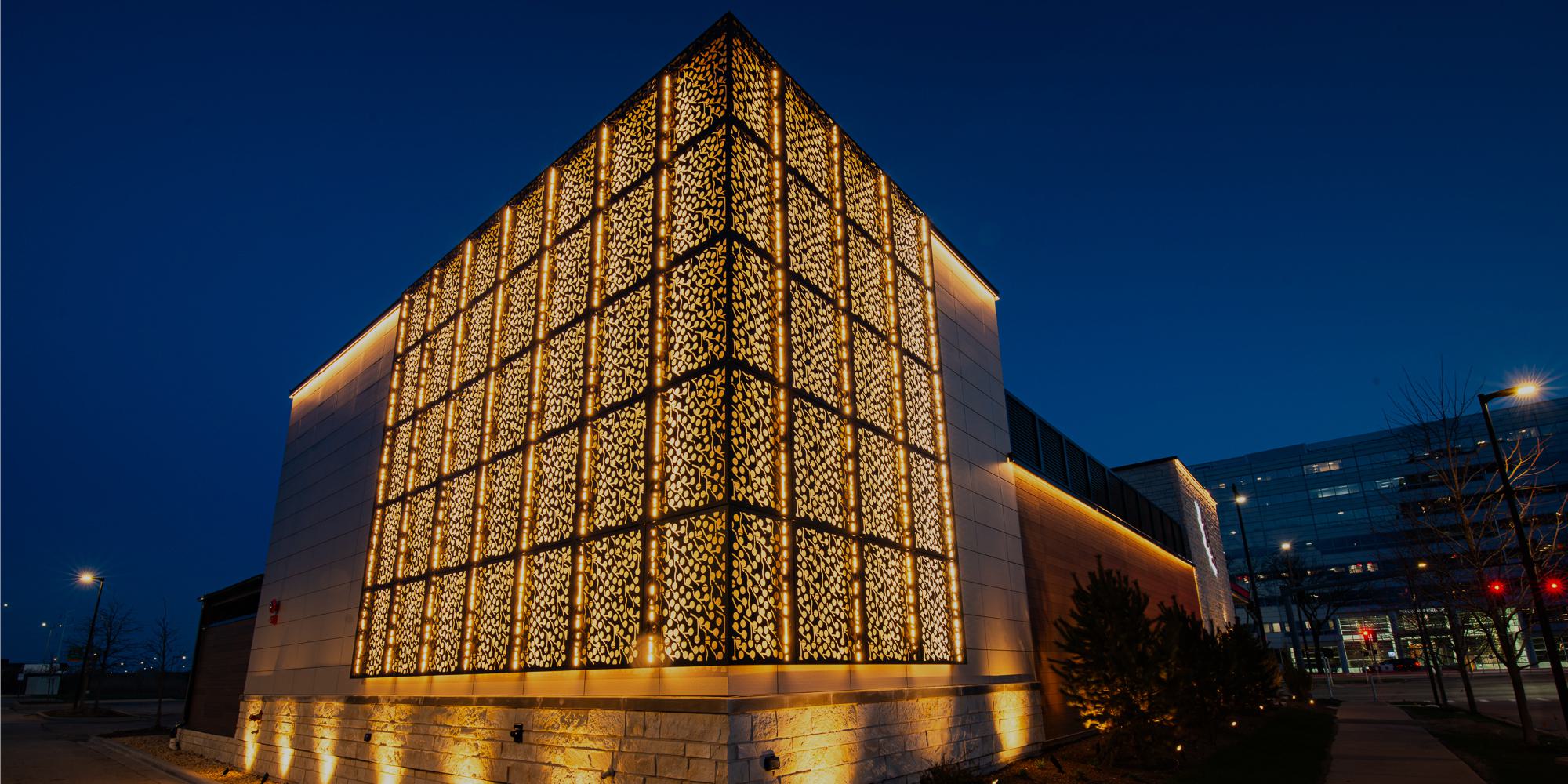







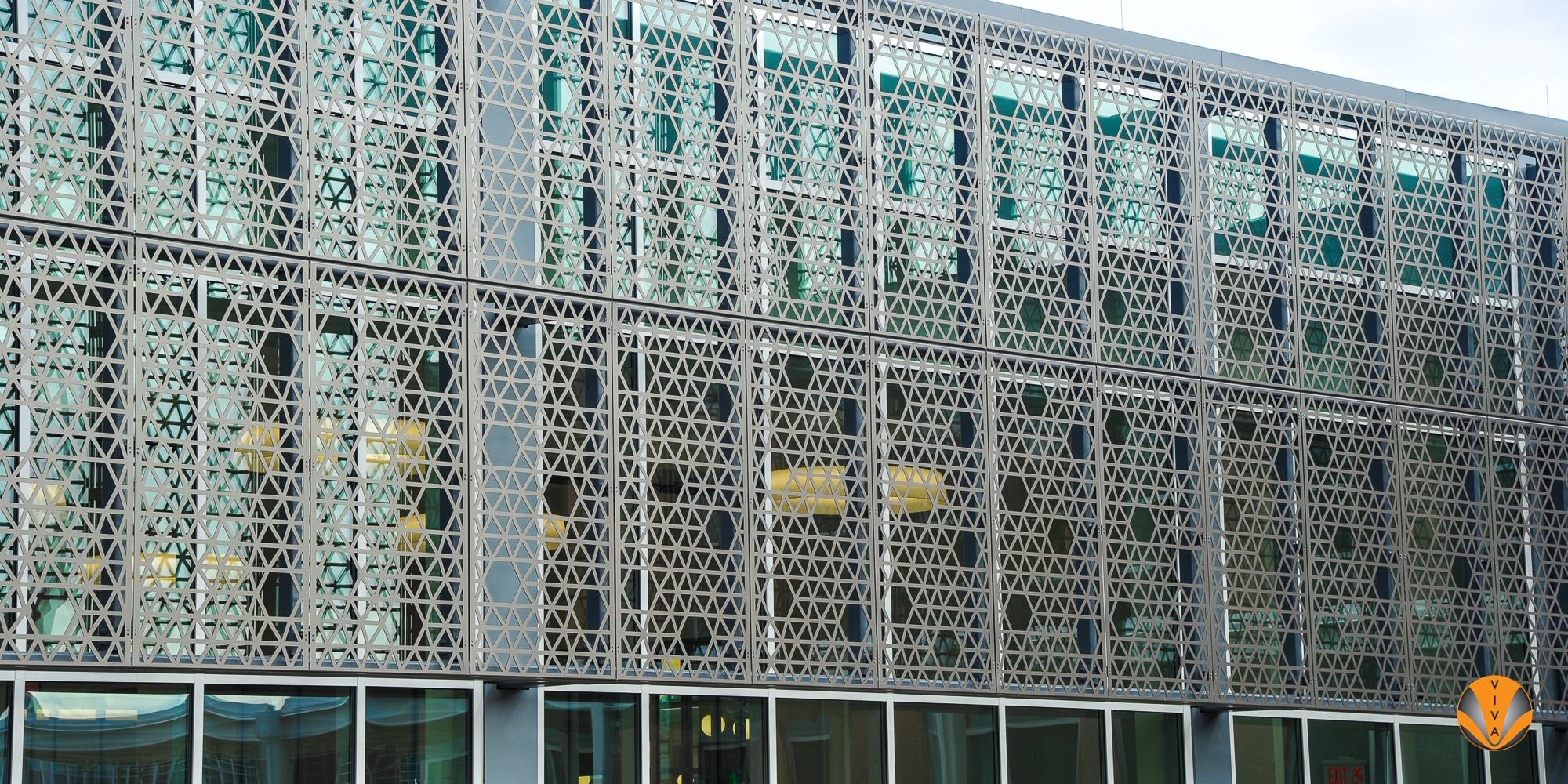
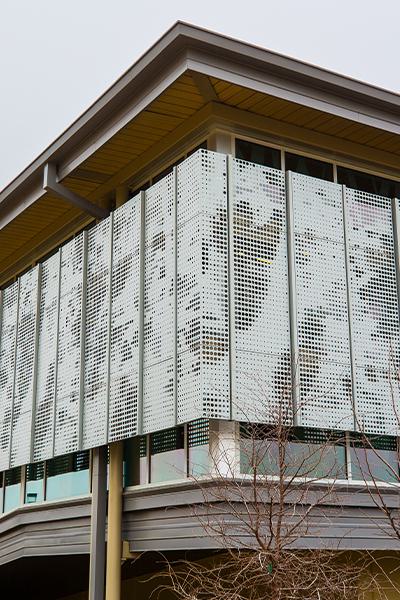

Laser Cut Privacy Screens for San Antonio's River Walk and Outdoor Hospitality Market
San Antonio's outdoor hospitality environment is defined by the River Walk, a below-grade pedestrian corridor lined with restaurants, bars, and hotels that draws more visitors per year than any other attraction in Texas. The dining and hospitality operators who line the River Walk have always understood that the outdoor dining experience is their primary competitive differentiator: the tables closest to the river, the terraces that face the water, the spaces that feel removed from the street-level city above. Laser cut privacy screens are the specification that helps River Walk operators define and enhance the outdoor dining experience, creating zones within the terrace, providing visual separation between neighboring venues, and adding architectural character to outdoor spaces that might otherwise be defined only by their table and chair count.
The pattern dimension of San Antonio laser cut privacy screen work is uniquely rich. San Antonio is home to the San Antonio Missions, a UNESCO World Heritage Site whose architecture represents one of the finest concentrations of Spanish colonial ecclesiastical building in North America. The geometric vocabulary of the Mission facades, the carved limestone patterns, the decorative ironwork, the tile work of Mission San José's famous Rose Window, provides a pattern language that is authentically San Antonio in a way that generic geometric patterns are not. Metal Spaces can develop privacy screen patterns that reference this heritage honestly, creating outdoor screens that contribute to San Antonio's architectural identity rather than being interchangeable with screens in any other city.
The Pearl District's outdoor courtyard environment is the other significant context for San Antonio laser cut privacy screen work. The district's model, converting industrial buildings into hospitality, retail, and residential uses while preserving and celebrating the outdoor spaces between them, has created a consistent demand for landscape and privacy elements that support the outdoor programming of the district without imposing the visual weight of solid walls or fencing. Laser cut screens in the Pearl District context are typically lower in visual density, open patterns that define space and provide a degree of privacy while allowing the courtyard's air and light quality to remain intact.



 Schedule Meeting
 Connect on LinkedIn