

 Commercial Handrail Systems in San Antonio, TX | VIVA Railings
 Explore Metal Panel Systems

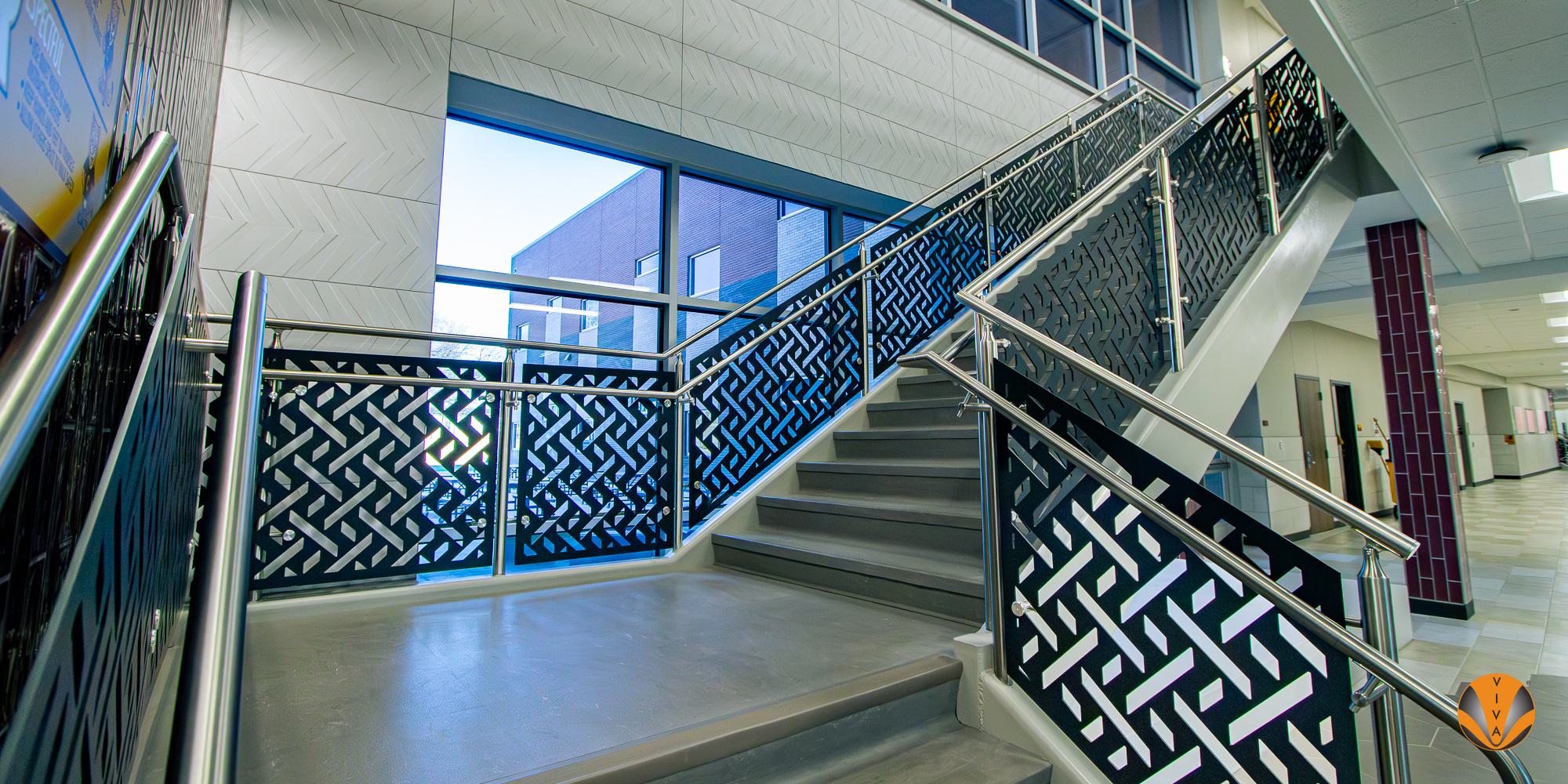







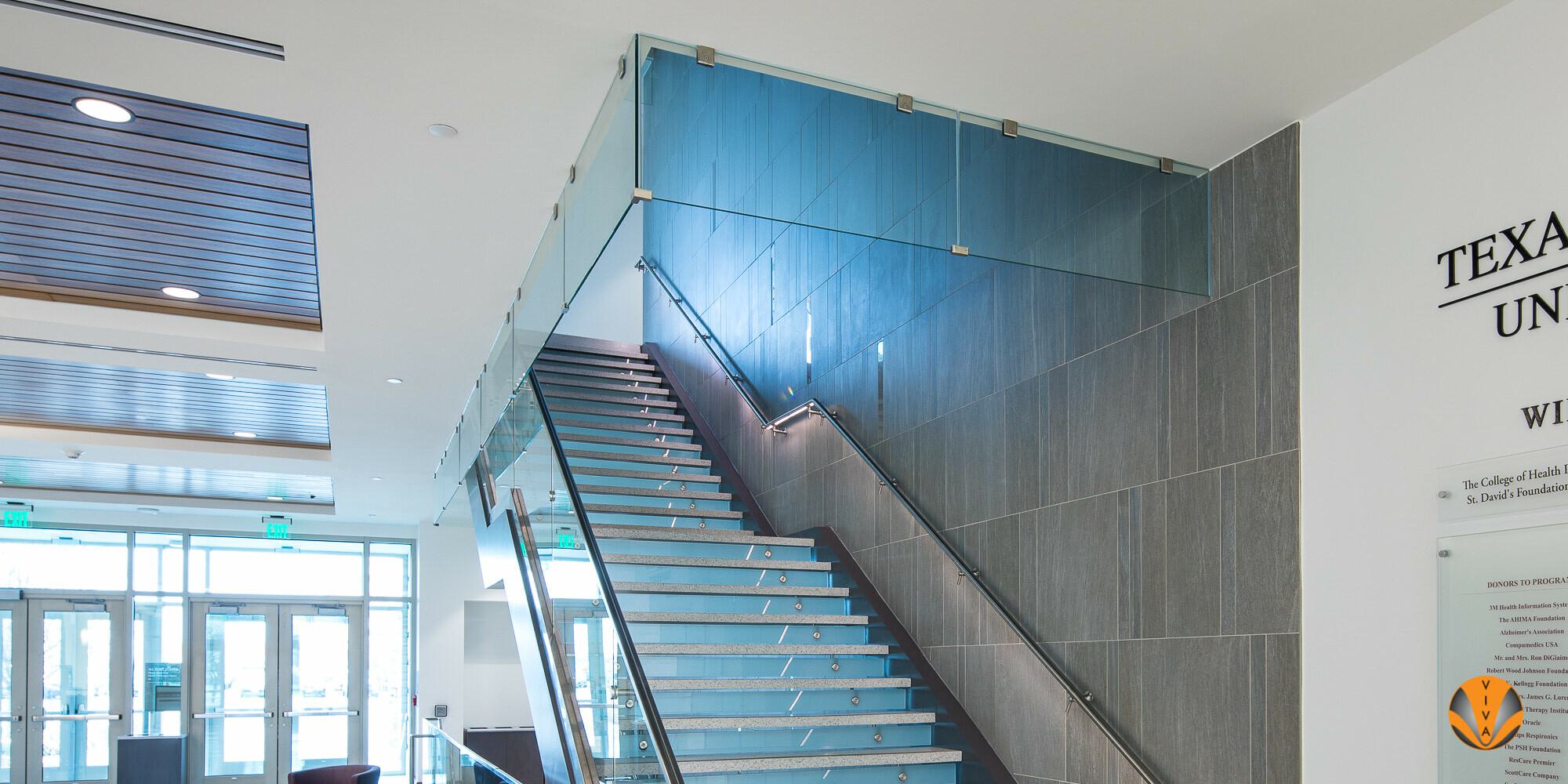
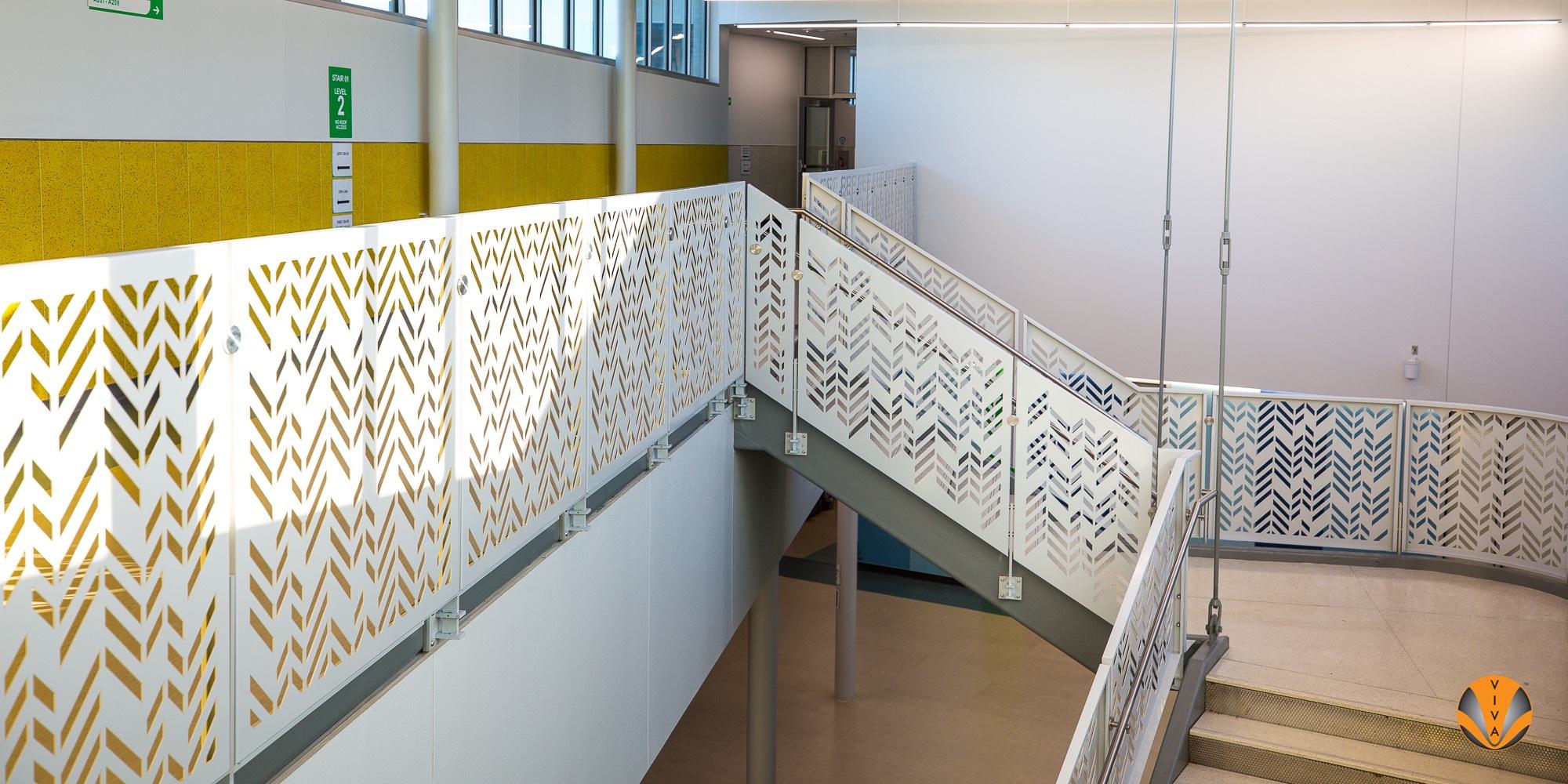
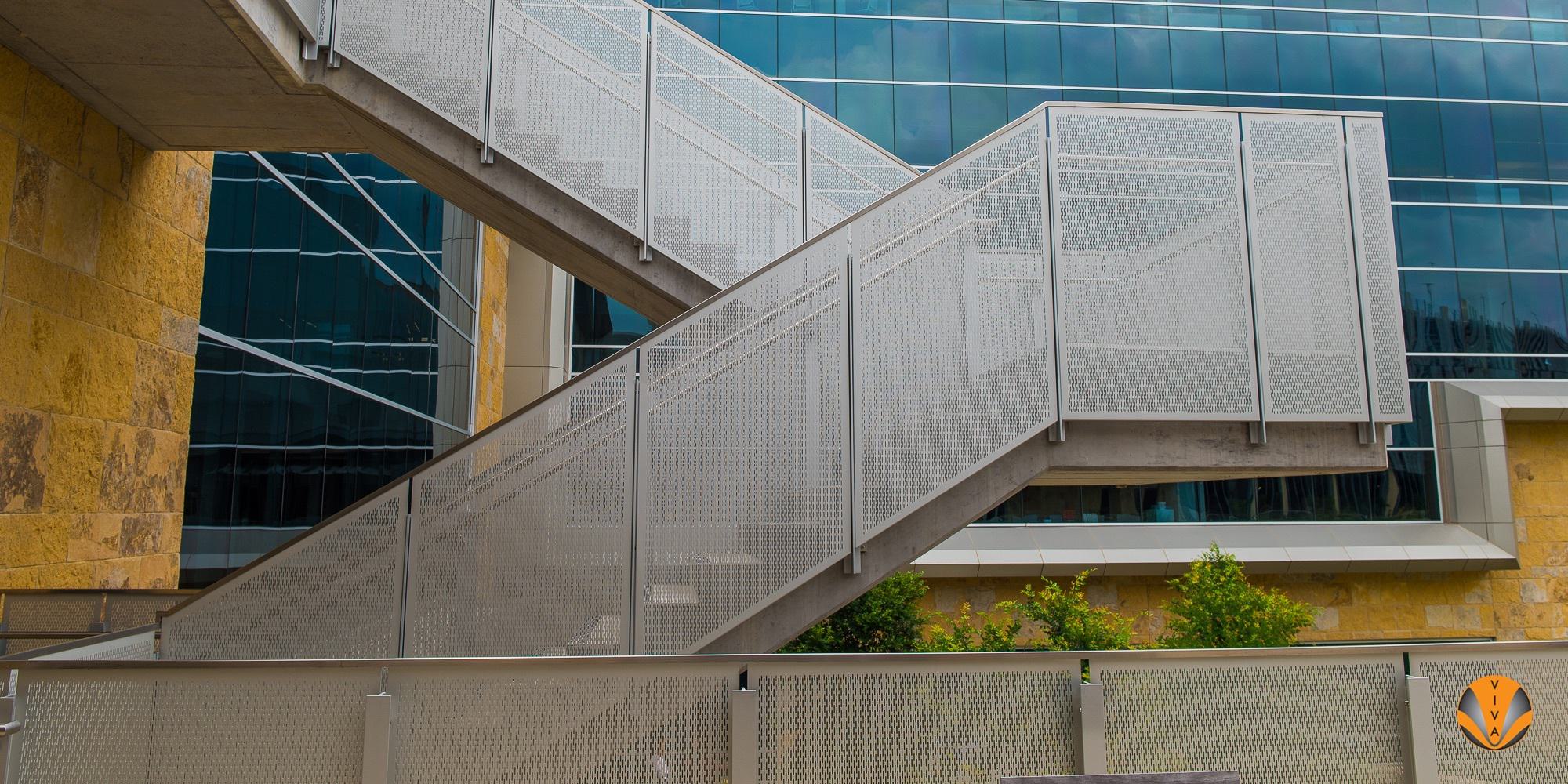
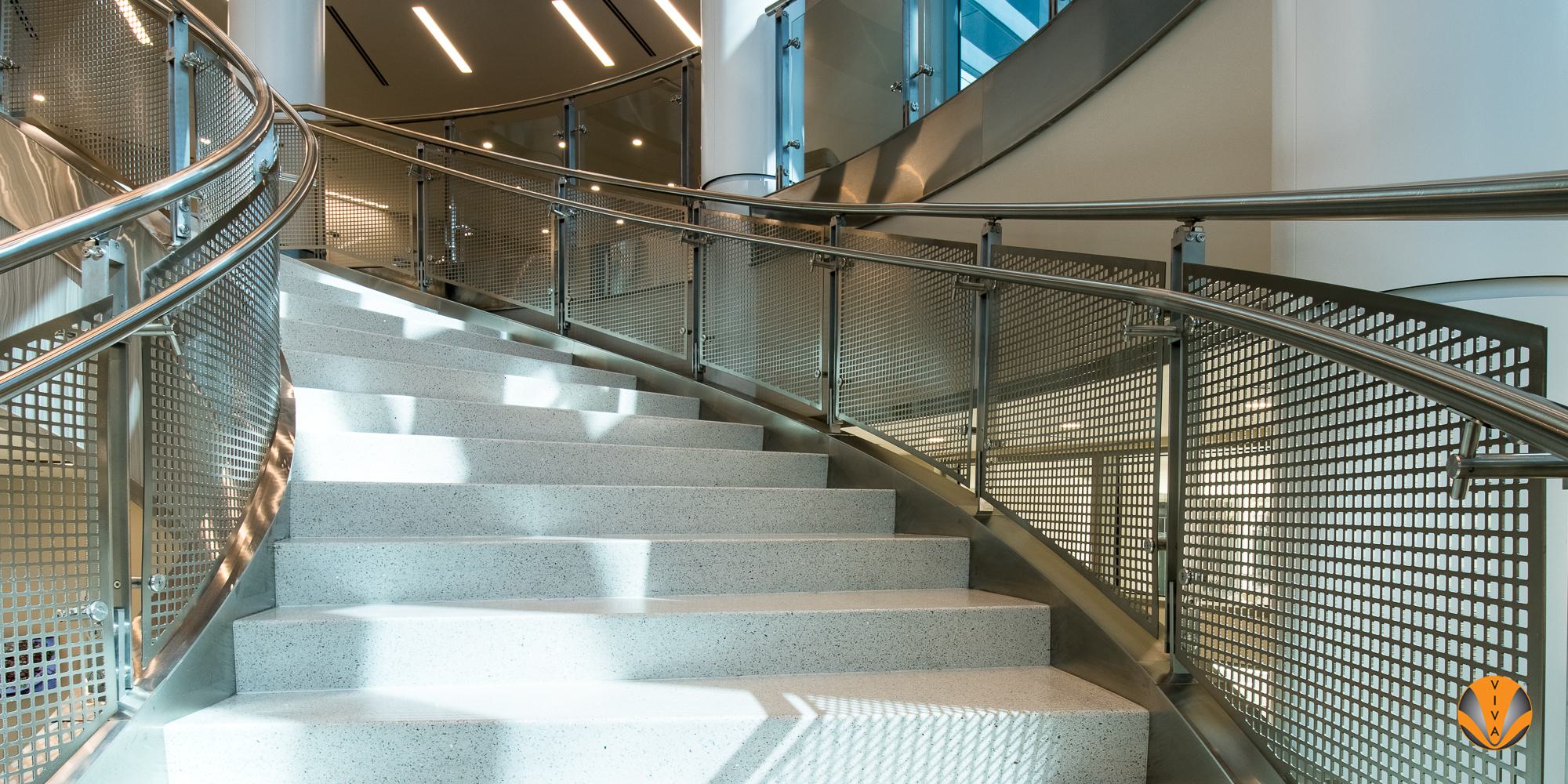
Commercial Handrail for San Antonio's Medical Center, Higher-Ed, and Government Market
San Antonio's institutional construction market is one of Texas's most active and least recognized — overshadowed by Austin's tech growth and Dallas's corporate relocation wave, but generating consistent commercial construction volume driven by healthcare expansion, university growth, and government facility investment that doesn't follow economic cycles the way commercial office does. The South Texas Medical Center, centered on Floyd Curl Drive in the northwest part of the city, is home to UT Health San Antonio, University Hospital, Methodist Healthcare System, Baptist Health System, Christus Santa Rosa, and dozens of medical office and specialty care facilities. This complex generates commercial handrail demand in virtually every building on virtually every project — corridors, stairwells, accessible routes, and ramp systems across millions of square feet of healthcare facility space.
The healthcare handrail specification has requirements that distinguish it from every other institutional market. Patient corridor wall rail needs to be continuous — no gaps, no projecting bracket ends, no surface irregularities that create snag hazards for patients using wheelchairs, walkers, or IV poles. Mounting height must accommodate a broad range of patient heights and mobility aid types. Finish must be cleanable with hospital-grade disinfectants without degrading — which eliminates certain powder-coat formulations and requires specifying brushed stainless or antimicrobial-treated finishes. VIVA provides profile selections, bracket configurations, and finish specifications appropriate for San Antonio's healthcare corridor environment, and helps teams confirm compliance with the specific facility type's hygiene requirements before submittal.
UTSA — the University of Texas at San Antonio — is the city's largest university, with a main campus in the northwest and a growing downtown campus that is part of San Antonio's urban core redevelopment strategy. Trinity University, on a hilltop campus in the historic Monte Vista neighborhood, is a smaller but architecturally significant institution with consistent facility renovation and new construction activity. Both generate demand for commercial handrail in academic buildings, student facilities, and accessible route improvements — applications where IBC compliance is the baseline and durability across decades of student traffic is the performance requirement.
San Antonio's growing convention and government district — anchored by the Henry B. González Convention Center and the surrounding Bexar County civic campus — adds a third institutional handrail market: government and civic facility construction where the specification is driven by IBC compliance, accessibility requirements, and the expectation that the installation will perform without significant maintenance for 20 or more years.



 Schedule Meeting
 Connect on LinkedIn