

 Decorative Metal Railing Panels in Fort Worth, TX | VIVA Railings
 Resources

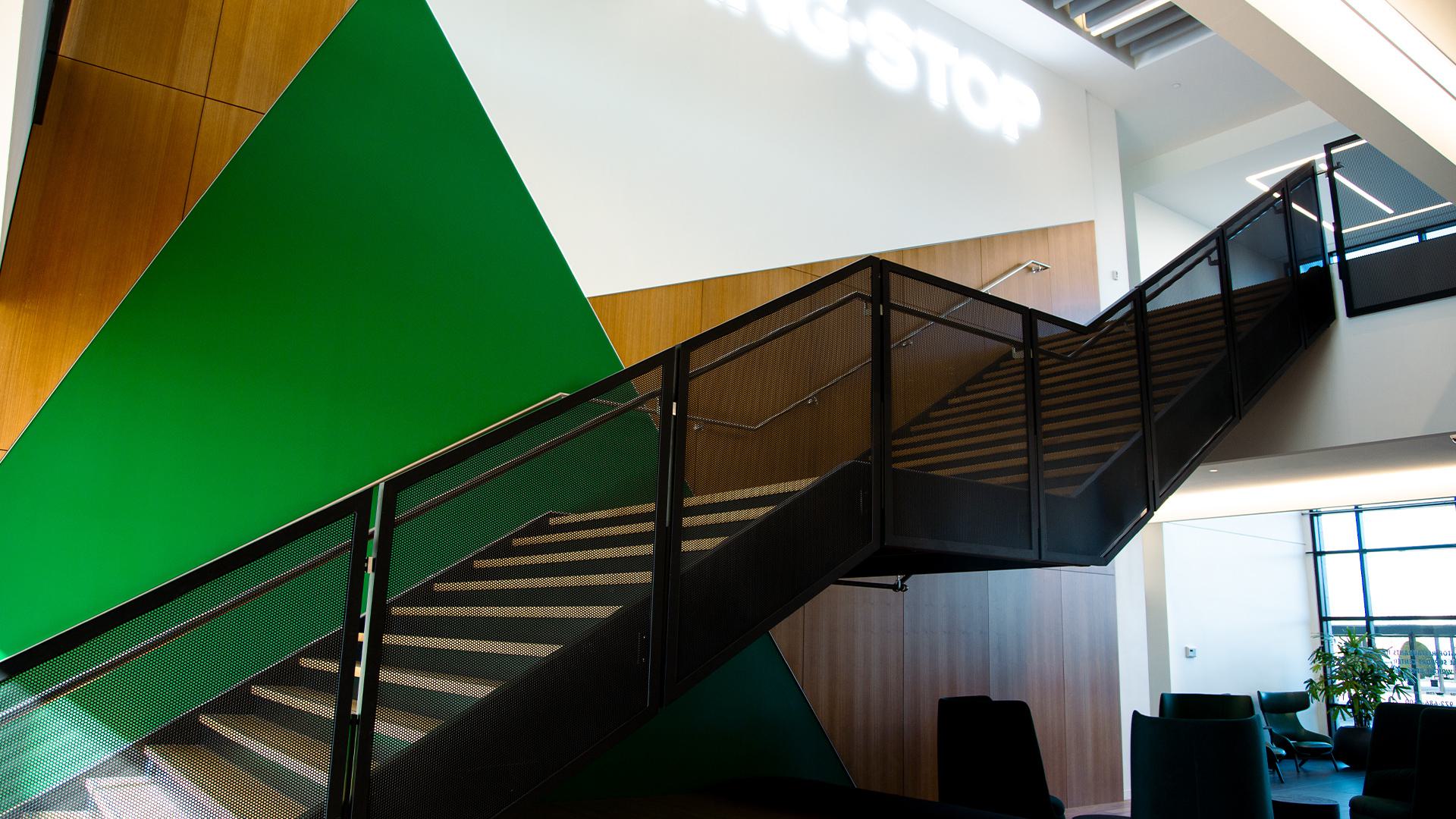







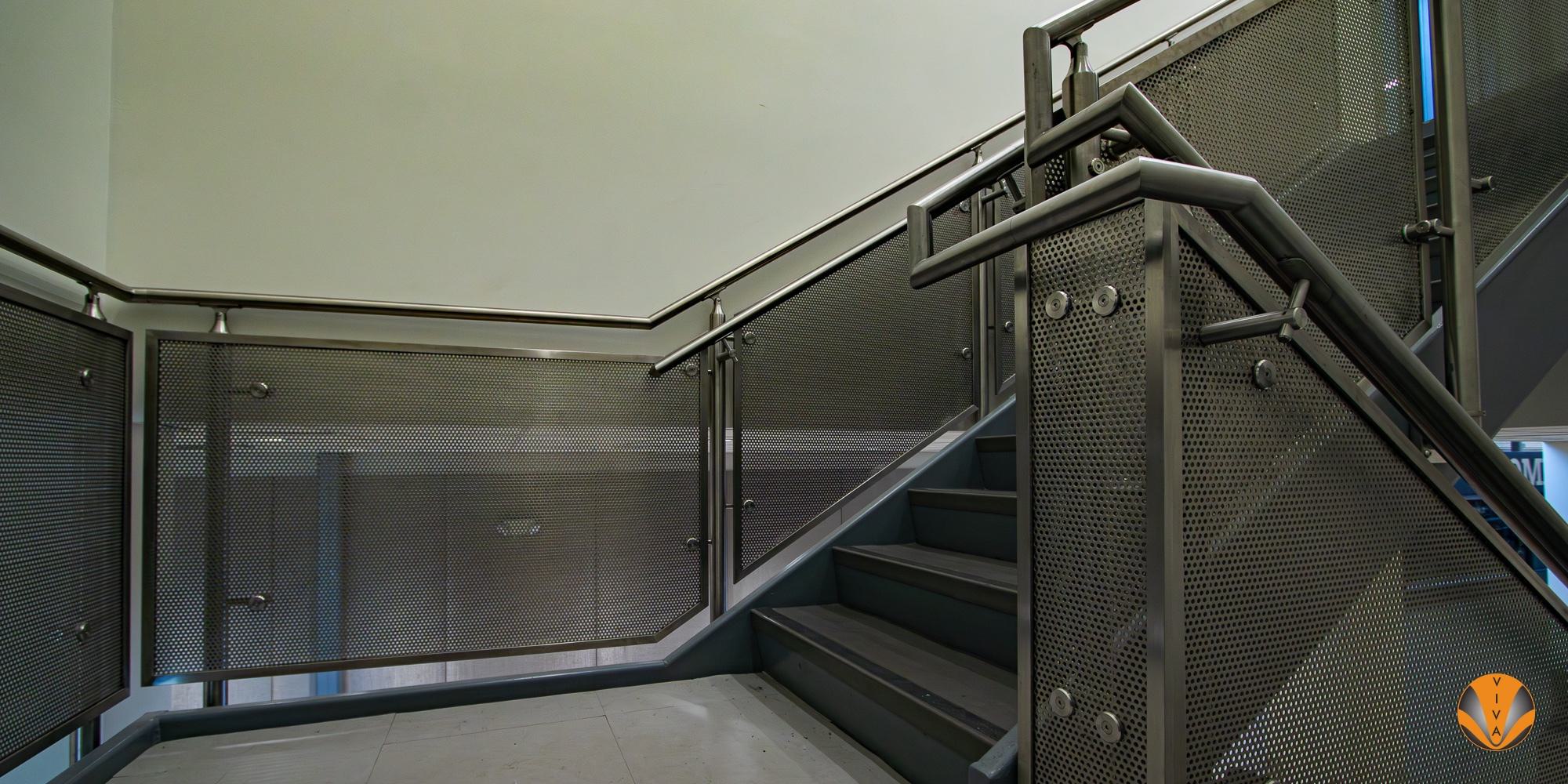
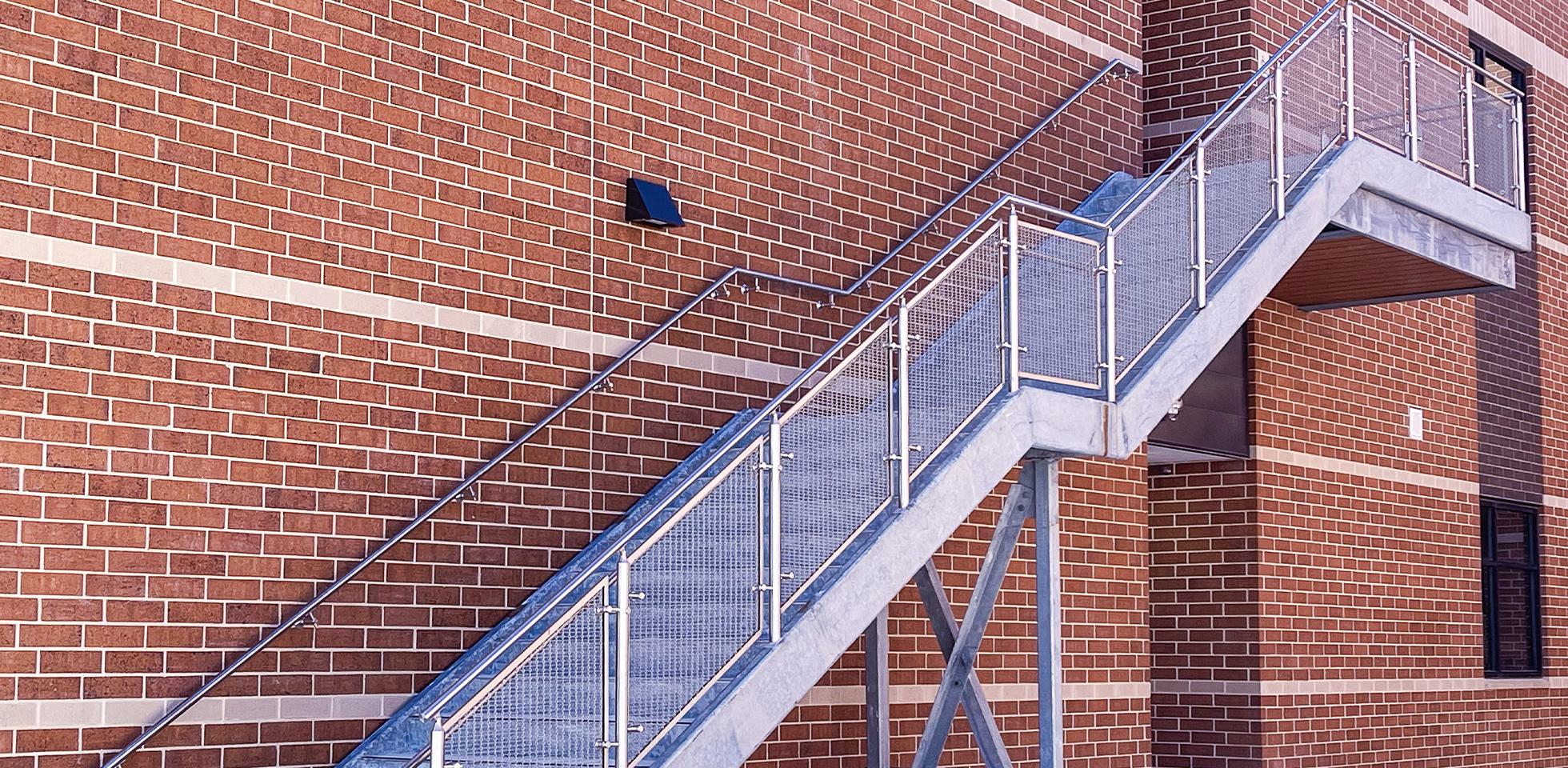
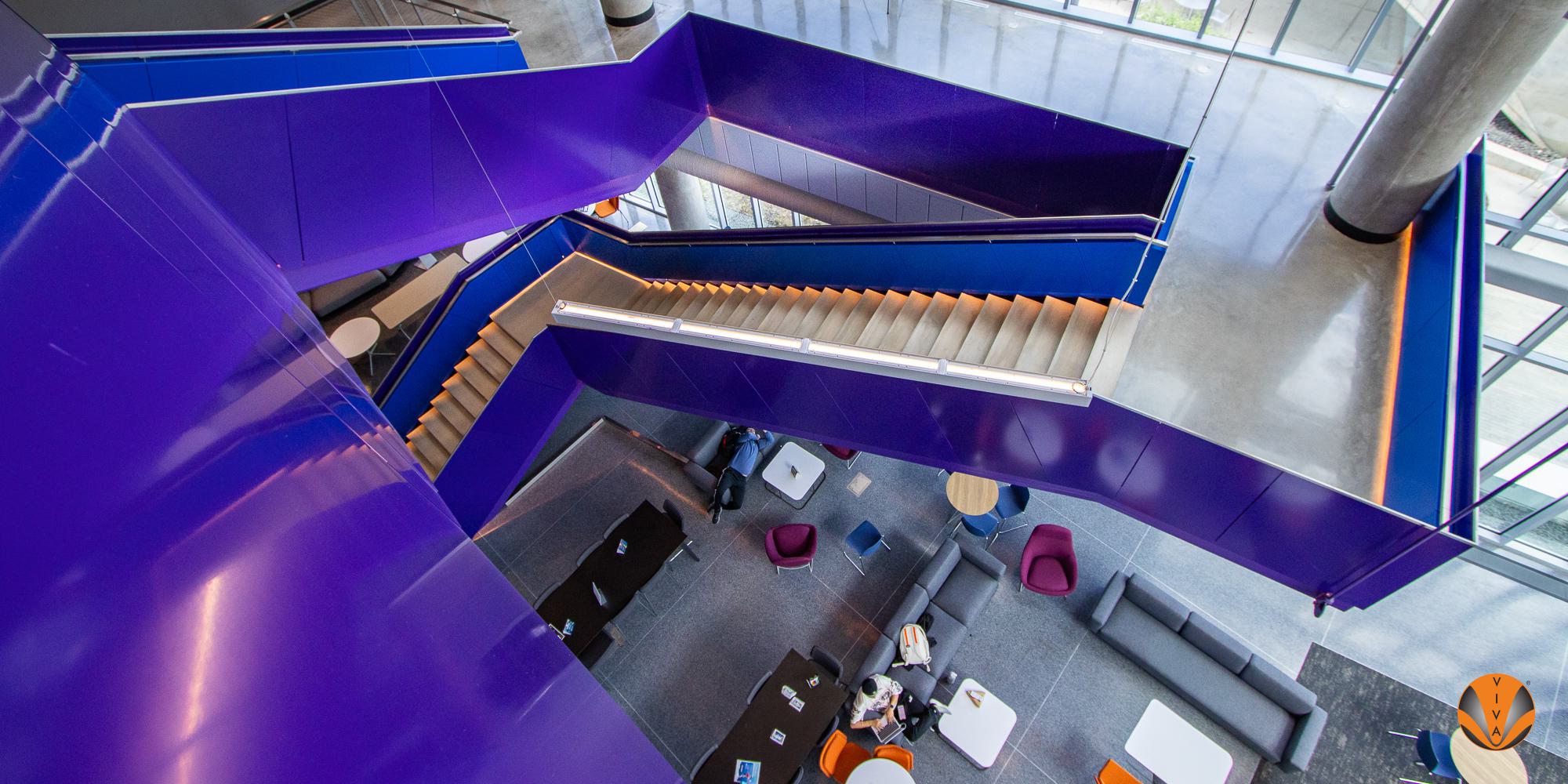
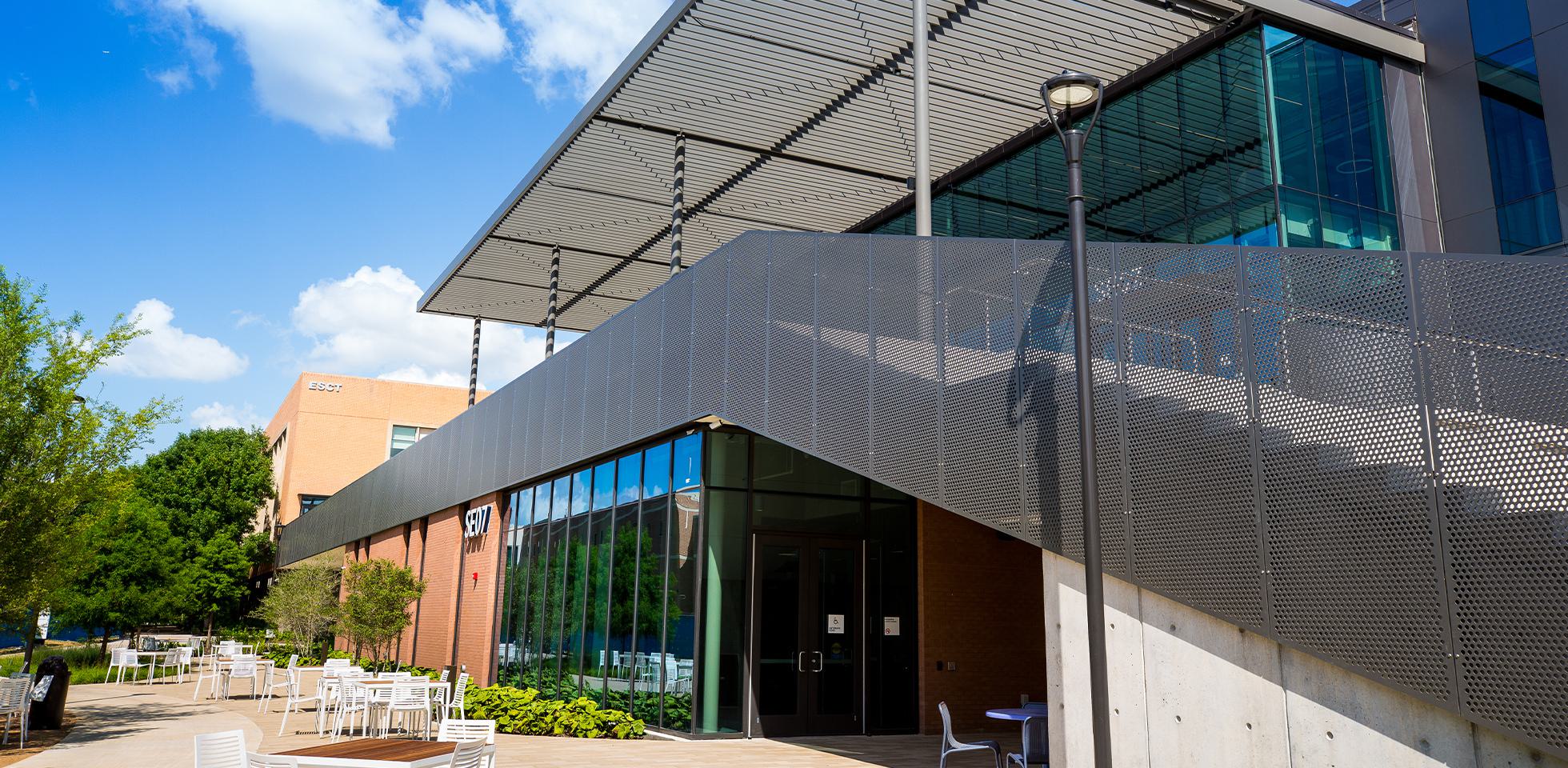
Decorative Metal Railing Panels for Fort Worth's Layered Commercial Identity
Fort Worth occupies a unique position in the Texas commercial construction market. It is simultaneously a world-class museum city — the Kimbell, the Amon Carter, the Modern Art Museum, and the Sid Richardson form one of the most remarkable Cultural District concentrations in the United States — and the home of the Fort Worth Stockyards, a living western heritage district that draws millions of visitors per year. It has a thriving downtown in Sundance Square that has set a national standard for urban revitalization, and an emerging creative and medical district on the Near Southside that is drawing investment and design talent from across the region. Decorative metal railing panels serve this market in ways that cable and glass simply cannot — by adding pattern, material identity, and civic character to guardrail systems that would otherwise disappear into the background.
The Cultural District is the most obvious context for decorative metal panel applications in Fort Worth. The museums and their campus buildings — including expansions, visitor centers, education facilities, and adjacent commercial development — are environments where the railing is expected to participate in the architectural composition rather than just meet the code requirement. Laser-cut aluminum panels with precise geometric patterns, anodized or powder-coated in colors coordinated with the building's material palette, are a natural fit. The fabrication tolerance of CNC laser cutting allows pattern complexity that would be impossible to achieve with stamping or rolling — and at Fort Worth's institutional scale, that precision matters.
The Stockyards application is entirely different in character — and that difference is the point. For hospitality, retail, and restaurant projects in and around the Stockyards National Historic District, Cor-Ten weathering steel panels are the right material choice. The self-finishing rust patina of Cor-Ten is contextually honest in a district built around raw western materials; it requires no ongoing paint maintenance; and it develops a visual warmth over time that powder-coat finishes on standard steel don't achieve. VIVA helps Fort Worth teams apply Cor-Ten correctly — with appropriate drainage detailing to prevent staining of adjacent materials, and with finish expectations managed from the start.
Sundance Square, the Near Southside medical and creative corridor, and the mixed-use development along West 7th Street represent a third context — contemporary commercial projects where decorative metal panels add material richness to parking structure facades, restaurant terrace railings, and retail frontage guardrails. For these applications, powder-coated aluminum panels offer the combination of design flexibility, light weight, and corrosion resistance that Fort Worth's outdoor commercial environment demands.



 Schedule Meeting
 Connect on LinkedIn