Glass Railing in Chicago, IL | VIVA Railings

Glass Railing

Chicago's commercial pipeline runs across every glass railing application there is, Fulton Market's office and hospitality build-out, the LaSalle Street office-to-residential conversion wave, O'Hare's terminal expansion program, and a high-rise residential market that keeps adding rooftop amenity decks forty stories above the lake. VIVA supplies commercial glass railing for Chicago projects: structural base shoe systems for tower lobbies and amenity floors, post-supported glass for terraces and mezzanines, glass windscreens for exposed rooftops, and the Chicago Construction Codes documentation that keeps glass scopes moving through Department of Buildings review.

Trusted by Chicago Design and Build Teams from Fulton Market to the Loop

Camden park HOUSTONlaura apartments HOUSTONHp enterprise HOUPorsche showroom HOUSTON
Glass Railing for Chicago's High-Rise and Conversion Market

Chicago is the birthplace of the American high-rise, and its glass railing market reflects that vertical DNA, rooftop decks at serious elevation, monumental lobby stairs, and conversion projects threading modern glass through century-old structures.

High-Rise Wind Engineering

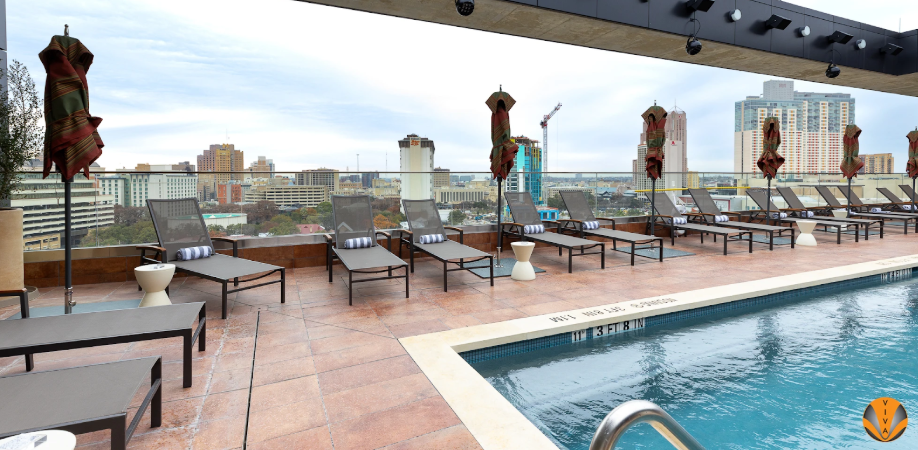
Rooftop amenity decks and elevated terraces in Chicago carry wind loads that ground-level assumptions badly underestimate — especially at lake-exposed corner conditions. We engineer glass railing and windscreens for project-specific wind pressures at elevation.

Chicago Construction Codes Documentation

Chicago maintains its own construction code rather than adopting the model code wholesale. Our submittal packages — laminated safety glazing documentation included — are structured for Chicago Department of Buildings review from the first submission.

Conversion and TI Coordination

LaSalle Street office-to-residential conversions and Fulton Market TI work mean existing slabs, unknown edge conditions, and compressed schedules. Surface-mount base shoe and post-supported glass options install without recasting floor edges.

Glass Railing System Options (Chicago)

View All Systems
 Base Shoe Structural Glass

Base Shoe Structural Glass

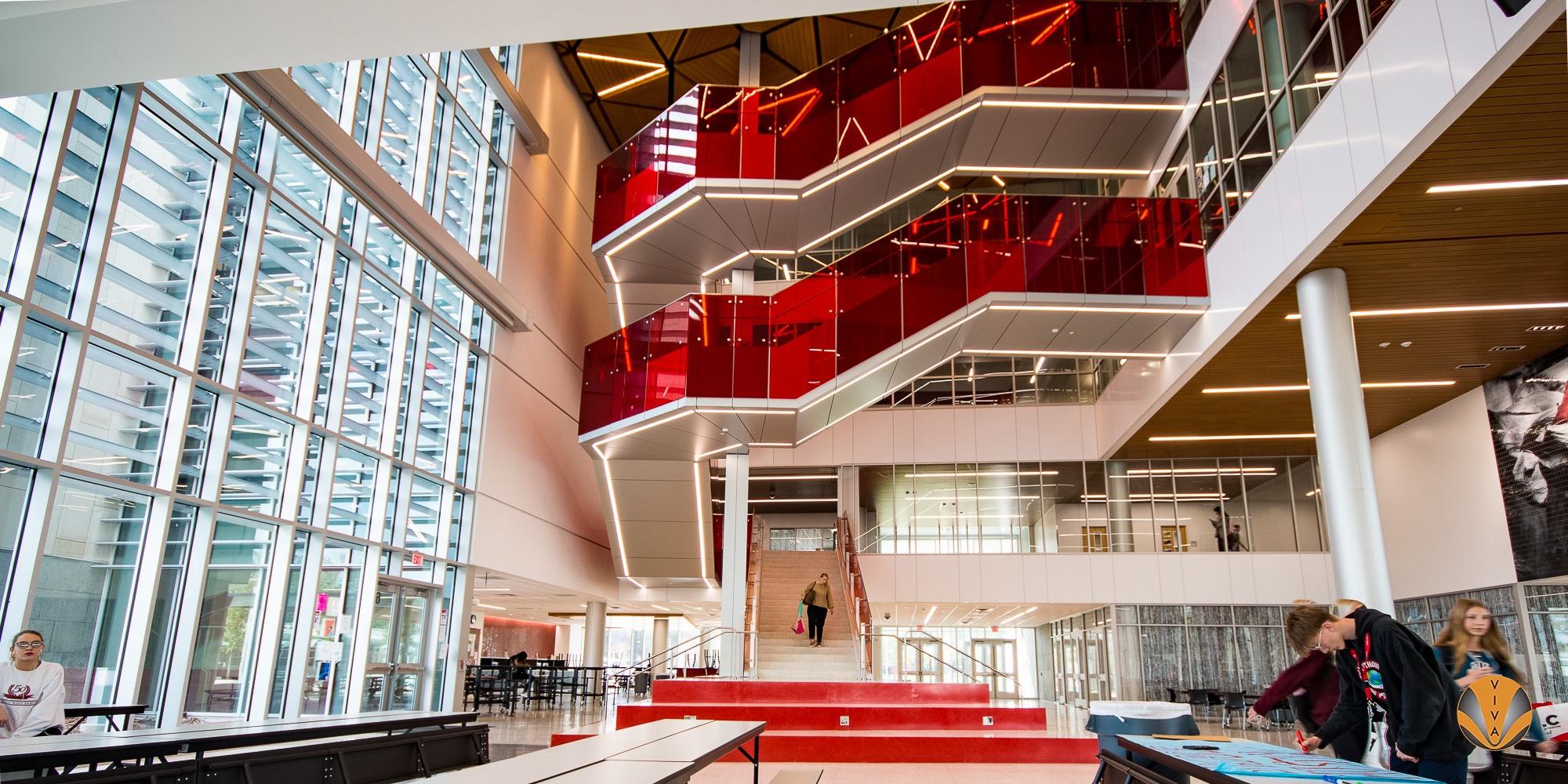
Post-free structural glass for tower lobbies, amenity floors, and monumental stairs, recessed channel for new construction, surface-mount for Chicago's conversion and TI market.

 Post-Supported Glass Railing

Post-Supported Glass Railing

Stainless or steel posts with glass infill for terraces, mezzanines, and balconies, an economical glass option where a full structural glass specification is not required.

 Glass Railing with Cap Rail

Glass Railing with Cap Rail

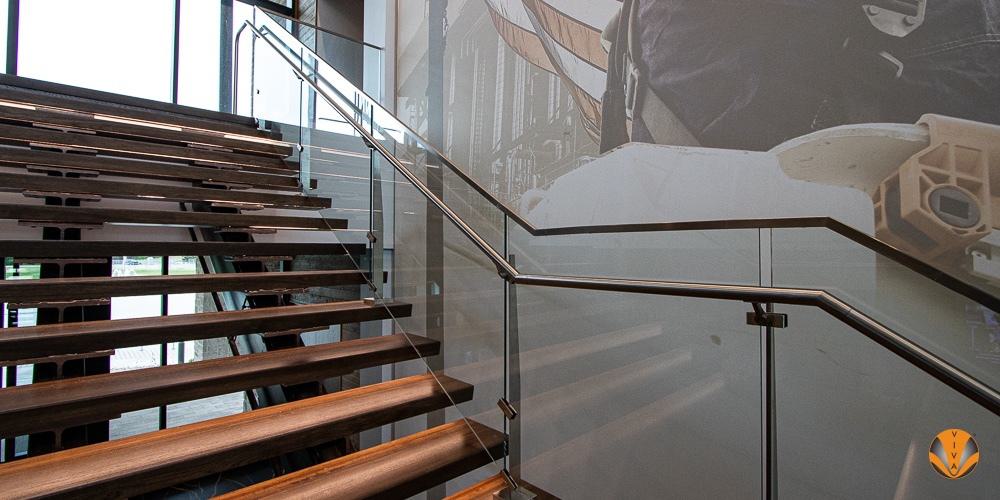
Structural glass with a continuous top cap, the configuration many Chicago plan reviewers prefer at assembly occupancies and wherever a graspable rail must integrate with the glass.

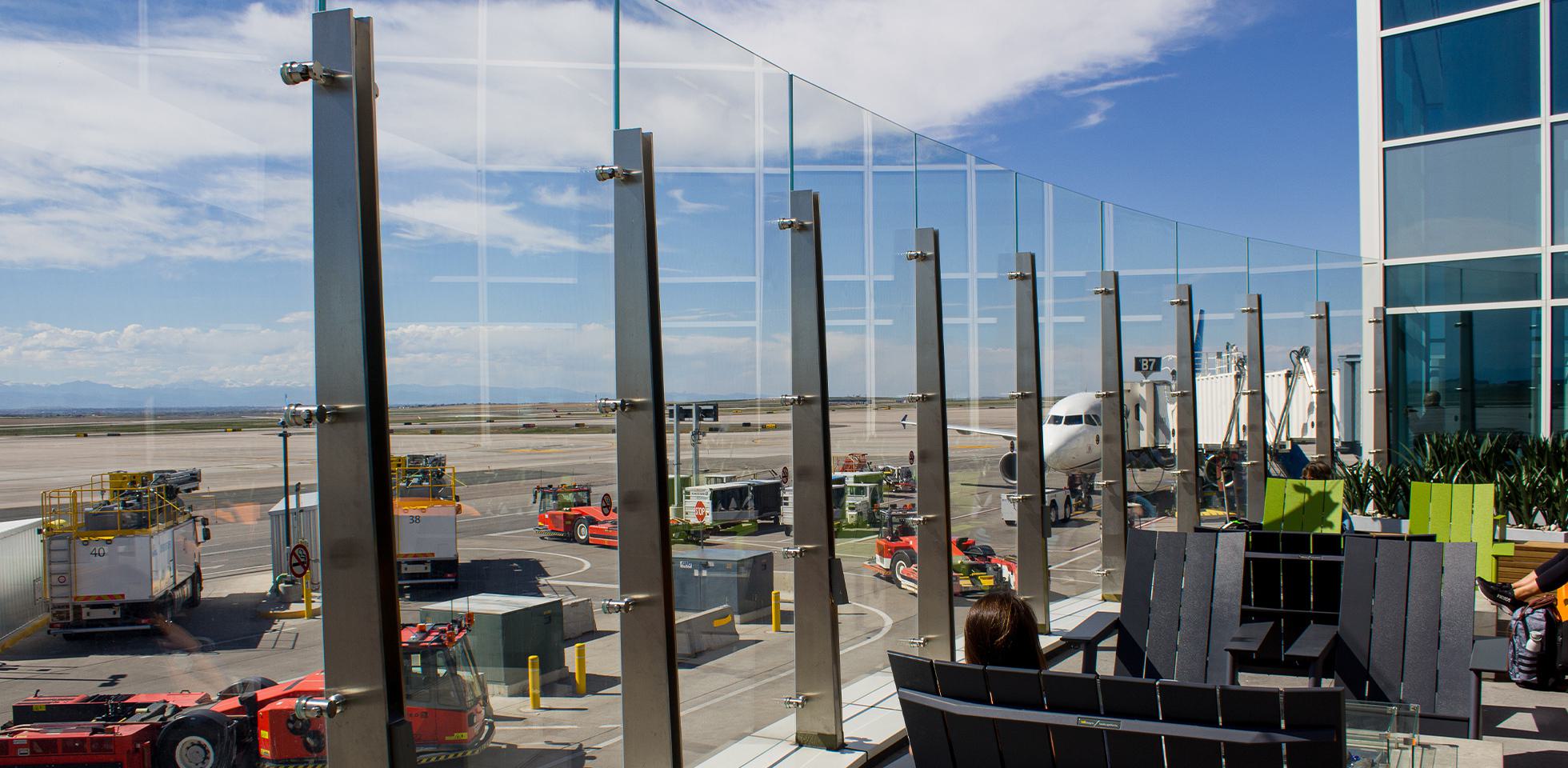
 Exterior Glass Windscreen

Exterior Glass Windscreen

Glass railing systems for NYC commercial office mezzanines, hotel lobby stair features, and the interior public spaces of Manhattan's most ambitious commercial and hospitality developments.

Regional Focus

Glass Railing for Fulton Market, the Loop, and the Chicago High-Rise Skyline

Chicago's commercial construction market is defined by range. Fulton Market has transformed from meatpacking district to the city's most active office and hospitality submarket, drawing corporate headquarters and a hotel pipeline that expects glass railing as the default at lobbies, rooftop bars, and amenity floors. The Loop is running the opposite play, the LaSalle Street corridor's office-to-residential conversions are among the most ambitious adaptive reuse programs in the country, and every one of them needs railing systems that install onto existing structure. Add the O'Hare terminal expansion program and a river- and lakefront high-rise residential market that never stopped building, and glass railing demand in Chicago spans every system type VIVA makes.

Two things distinguish a Chicago glass railing specification from the same scope in a model-code state. First, the regulatory path: Chicago maintains its own construction code, the Chicago Construction Codes, administered through the Department of Buildings, so glass railing submittals need laminated safety glazing documentation aligned to the city's requirements, not just a generic IBC reference. Second, elevation: wind pressure on a fortieth-floor amenity deck is a different engineering problem than a grade-level terrace, and lake-exposed corners compound it. Both the guard design loads and the windscreen panel sizing need project-specific wind analysis rather than default assumptions.

Chicago's climate shapes the hardware specification in a way that often surprises teams coming from coastal markets. Lake Michigan is freshwater, there is no marine salt-air exposure, so 304 stainless hardware is appropriate for most exterior glass railing applications, a meaningful budget saving over defaulting to marine-grade. The exception is de-icing exposure: at street-level and podium applications where winter salt splash reaches the railing, 316 stainless and careful anchor detailing earn their cost. For conversion projects, early slab-edge assessment determines whether recessed or surface-mount base shoe is feasible, a decision best made before the railing scope is bought out.

Local Support

Meet Your Chicago Railing Specialist

Kevin Engledow - Chicago / Midwest

Kevin Engledow - Chicago / Midwest

REGIONAL SALES MANAGER - CHICAGO / MIDWEST

Glass samples, base shoe and cap rail configuration guidance, wind-load engineering input, and fast budget support for Chicago glass railing scopes.

Phone

469.853.3256

Email

kengledow@vivarailings.com

Frequently Asked Questions

VIVA supplies the full commercial glass railing family: structural base shoe systems where the glass itself carries the load, post-supported glass railing with stainless or steel posts, glass railing with a continuous cap rail, and full-height glass windscreens for wind protection on exposed decks and terraces. All systems use laminated tempered safety glazing engineered for commercial guard loads.
Yes — VIVA supplies glass railing systems for Chicago commercial projects including Fulton Market office and hospitality, Loop office-to-residential conversions, river and lakefront high-rise residential, hotel and rooftop amenity programs, and institutional work across the metro area.
Chicago is one of the few major US cities that maintains its own construction code rather than adopting the model code outright. Glass railing submittals go through Chicago Department of Buildings review with laminated safety glazing documentation aligned to the Chicago Construction Codes. We structure our documentation for that review path from the start, which prevents the resubmittal cycles that generic code documentation tends to trigger.
Wind pressure increases significantly with height, and Chicago's rooftop amenity decks routinely sit twenty to fifty stories up with open lake exposure. Guard design loads and glass panel sizing at that elevation need project-specific wind analysis — corner conditions in particular can see localized pressures well above the field of the deck. Glass windscreens for rooftop applications are engineered the same way.
Lake Michigan is freshwater, so Chicago has no marine salt-air exposure — 304 stainless hardware is appropriate for most exterior glass railing applications, which saves budget compared to coastal markets that default to 316. The exception is winter de-icing exposure: at street-level and podium-edge applications where salt splash reaches the railing, we specify 316 stainless and isolate anchors accordingly.
Yes — conversions like the LaSalle Street corridor projects are a core Chicago application. Surface-mount base shoe installs onto existing slabs without recasting floor edges, and post-supported glass railing offers even more flexibility where slab edge conditions are uncertain. Early structural assessment of the existing slab determines the right system.
At schematic design for new construction — especially high-rise projects where recessed base shoe requires coordination with concrete sequencing and where wind analysis affects glass sizing. For conversion and TI projects, engage as soon as slab conditions can be assessed, since the recessed-versus-surface-mount decision drives both cost and schedule.

Ready to Specify Glass Railing in Chicago?

Searching....