

 Structural Glass Railings in San Francisco, CA | VIVA Railings
 Talk to a Specialist

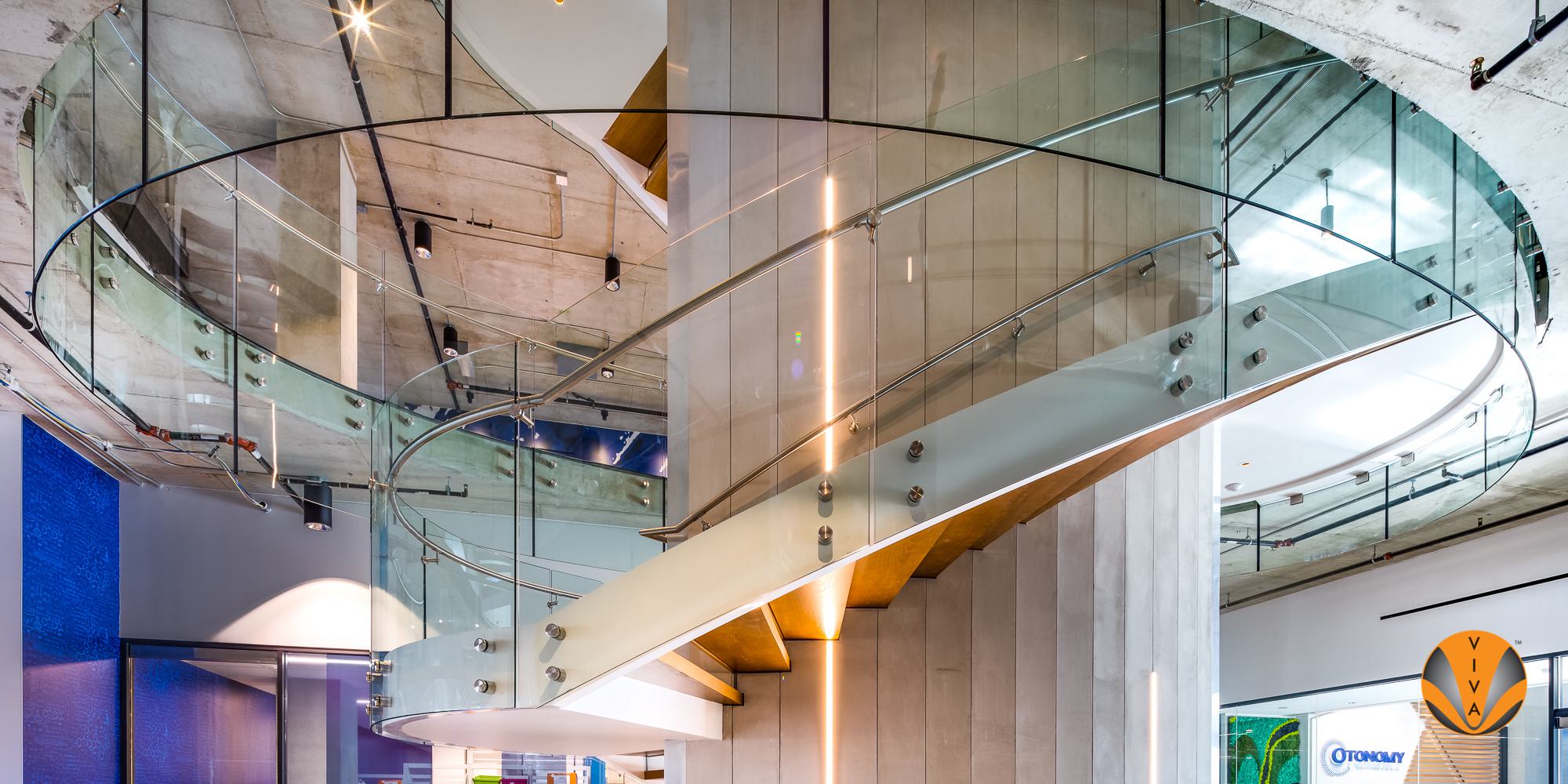







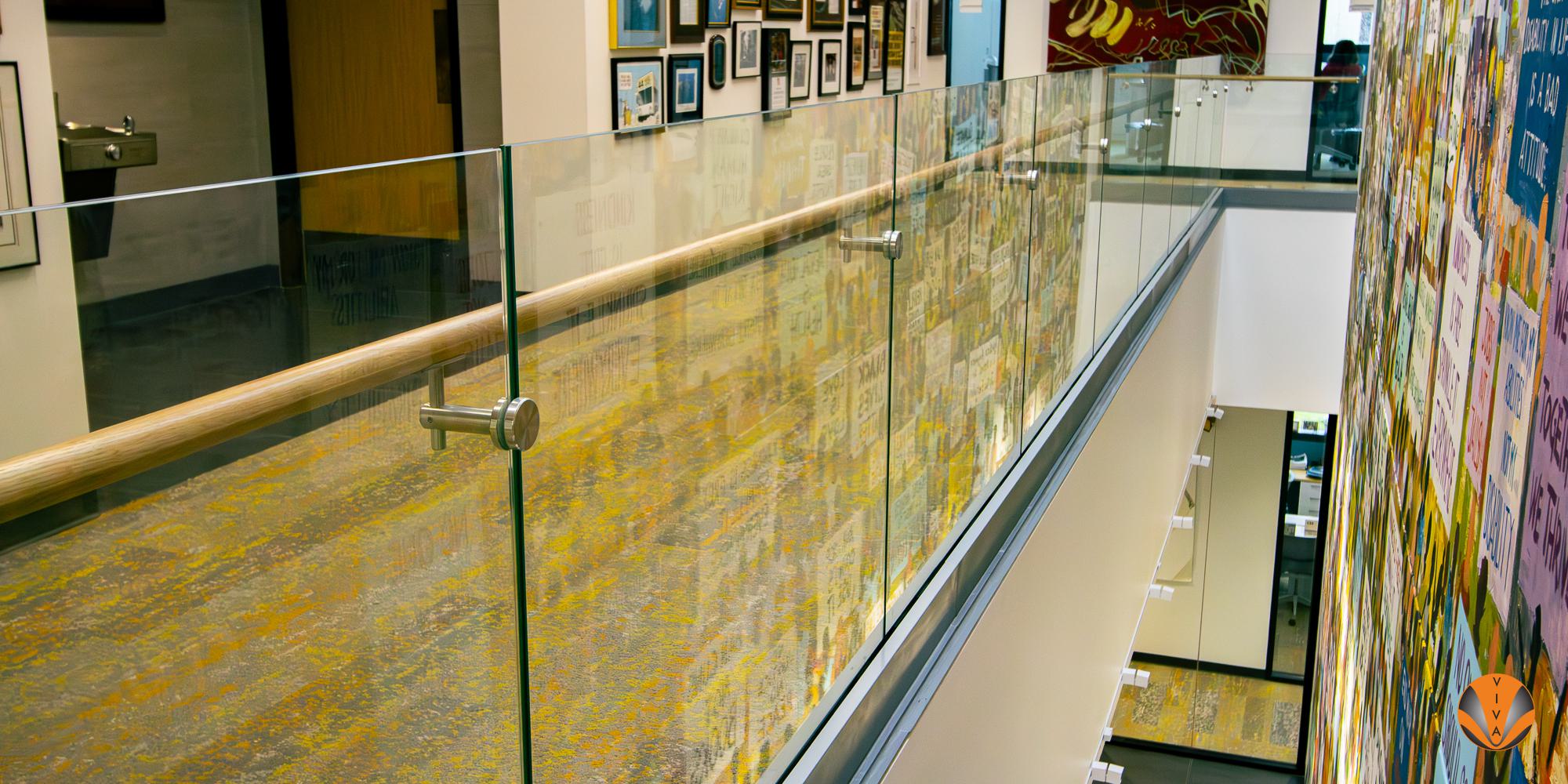
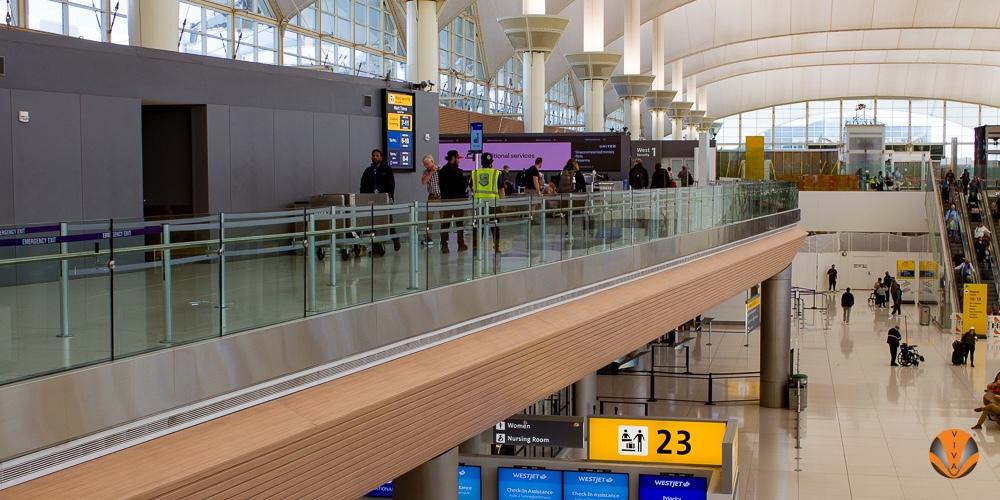
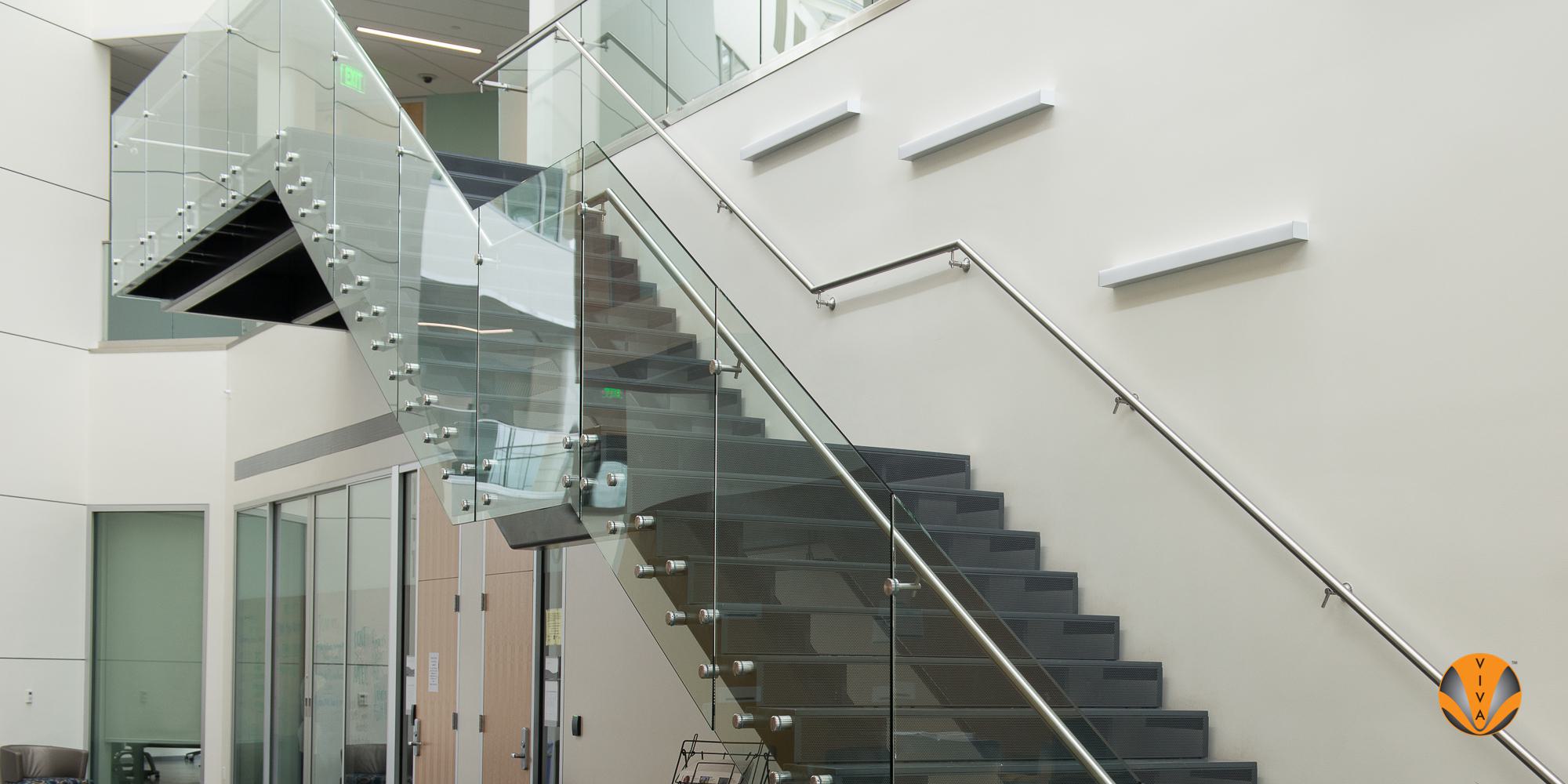
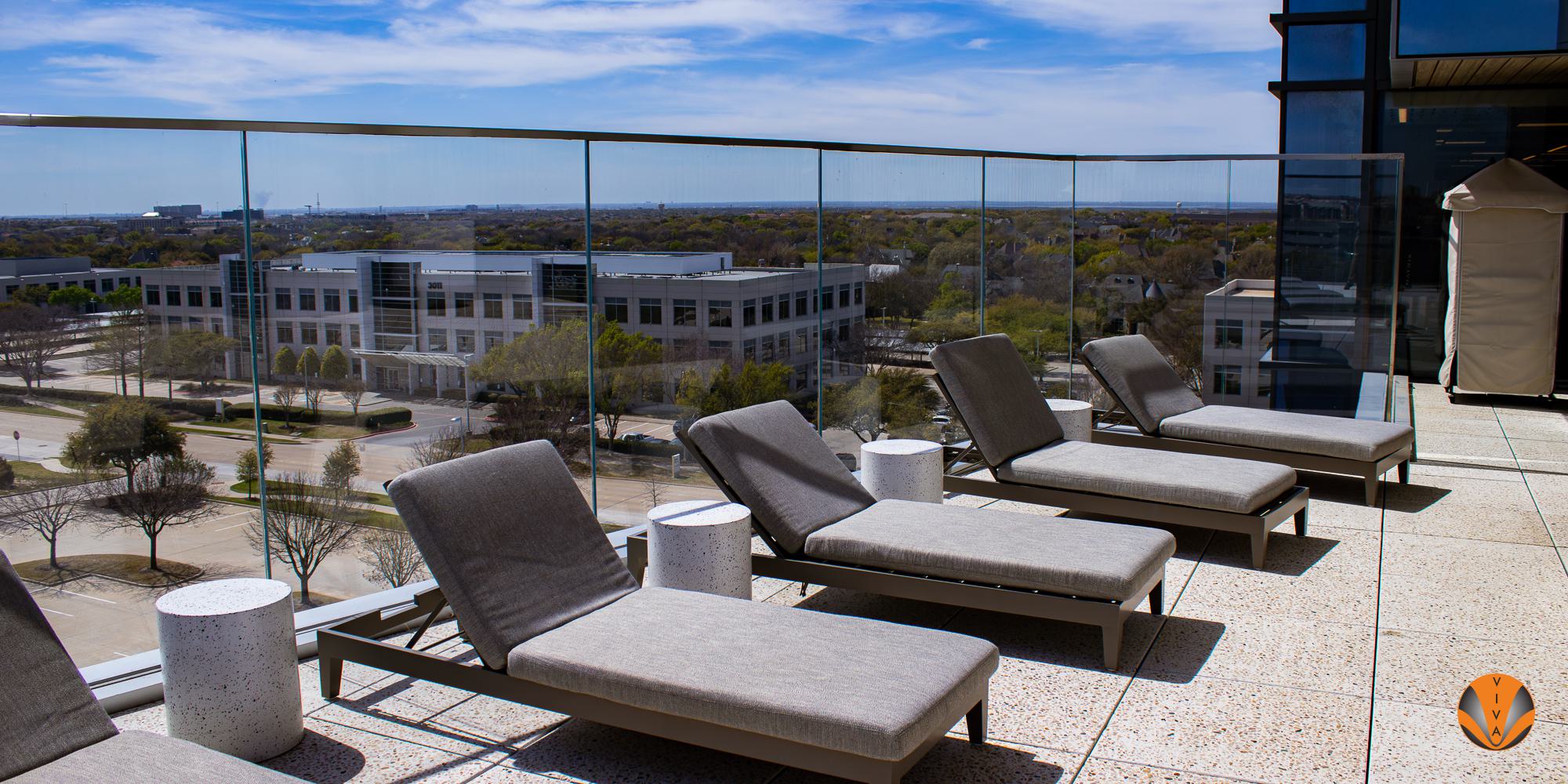
Structural Glass Railings for the Demands of San Francisco Commercial Construction
San Francisco is among the most technically demanding commercial construction markets in the United States. Seismic requirements are stringent, building department review is thorough, and the architectural standard for high-profile interiors is exceptionally high. Structural glass railings—post-free glass systems that use engineered laminated panels as the primary structural element—are increasingly specified in this market precisely because they deliver the visual openness and architectural precision that SF projects demand.
But structural glass systems require more front-end coordination than conventional railing. The base shoe or point-fixed connection must be designed in tandem with the structural engineer of record, with slab edge conditions, recessing depth, and load path all confirmed before construction documents are issued. In San Francisco, this coordination also has to account for CBC seismic loading requirements that exceed what most other states require—a detail that can derail a submittal if it isn't addressed early.
VIVA supports SF teams with a design-assist workflow that begins at schematic or early design development, when coordination is still low-cost. We help align glass thickness, laminate specification, base shoe configuration, and connection details with both the aesthetic intent and the structural reality of the project. Whether you're specifying a monumental lobby stair in the Financial District, a rooftop terrace guardrail in SoMa, or a mezzanine glass rail in a Mission Bay life science campus, we provide the documentation to move through plan check efficiently.
SF's building department is thorough and expects well-documented submittals. We support that process with section drawings, material cutsheets, and specification language structured to reduce back-and-forth and keep the railing scope off the critical path.


 Schedule Meeting
 Connect on LinkedIn