

 Glass Balcony Railing Systems in Jersey City, NJ | VIVA Railings
 Resources








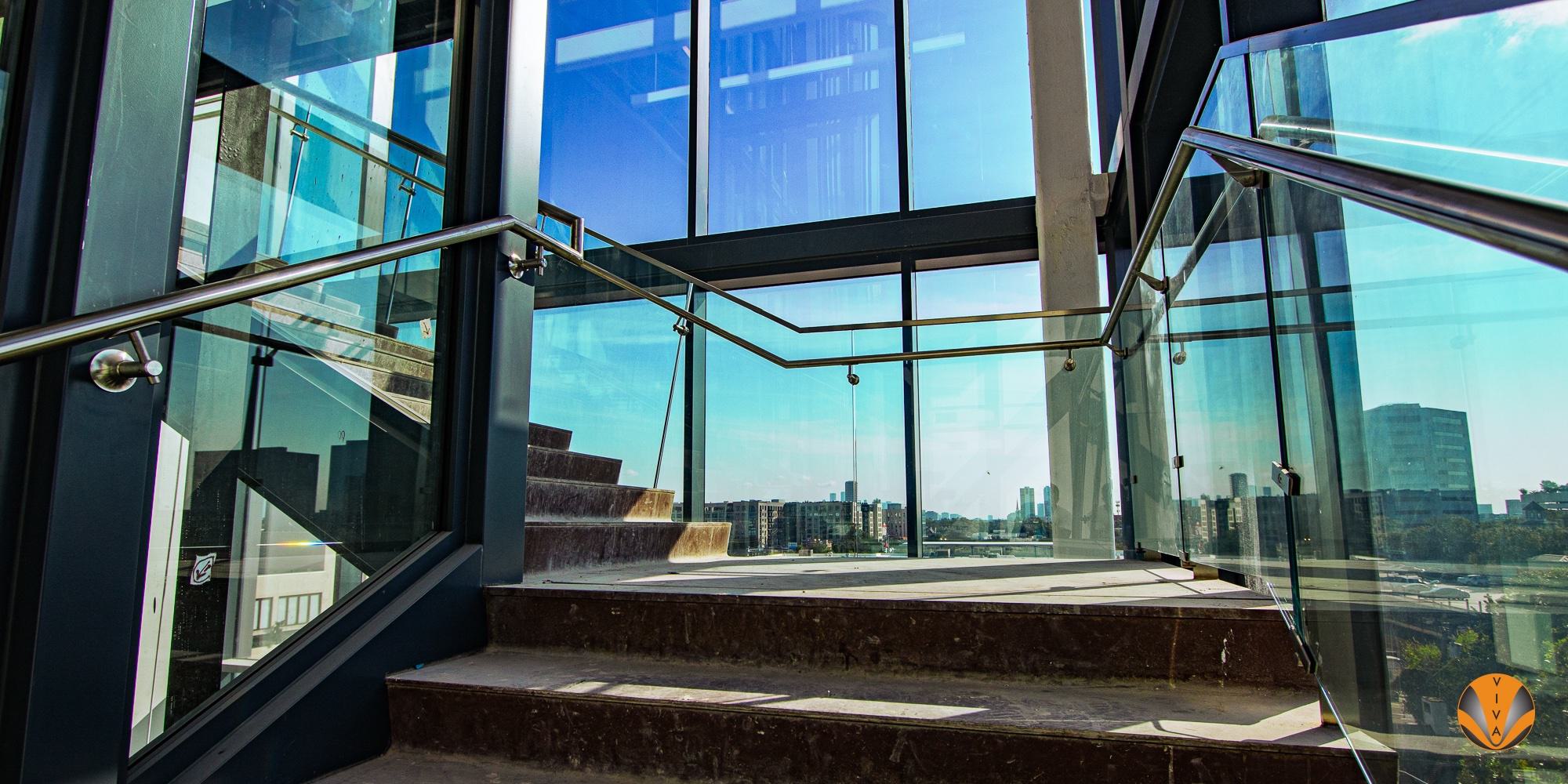
Glass Balcony Railing for Jersey City's Gold Coast and Hudson River View Market
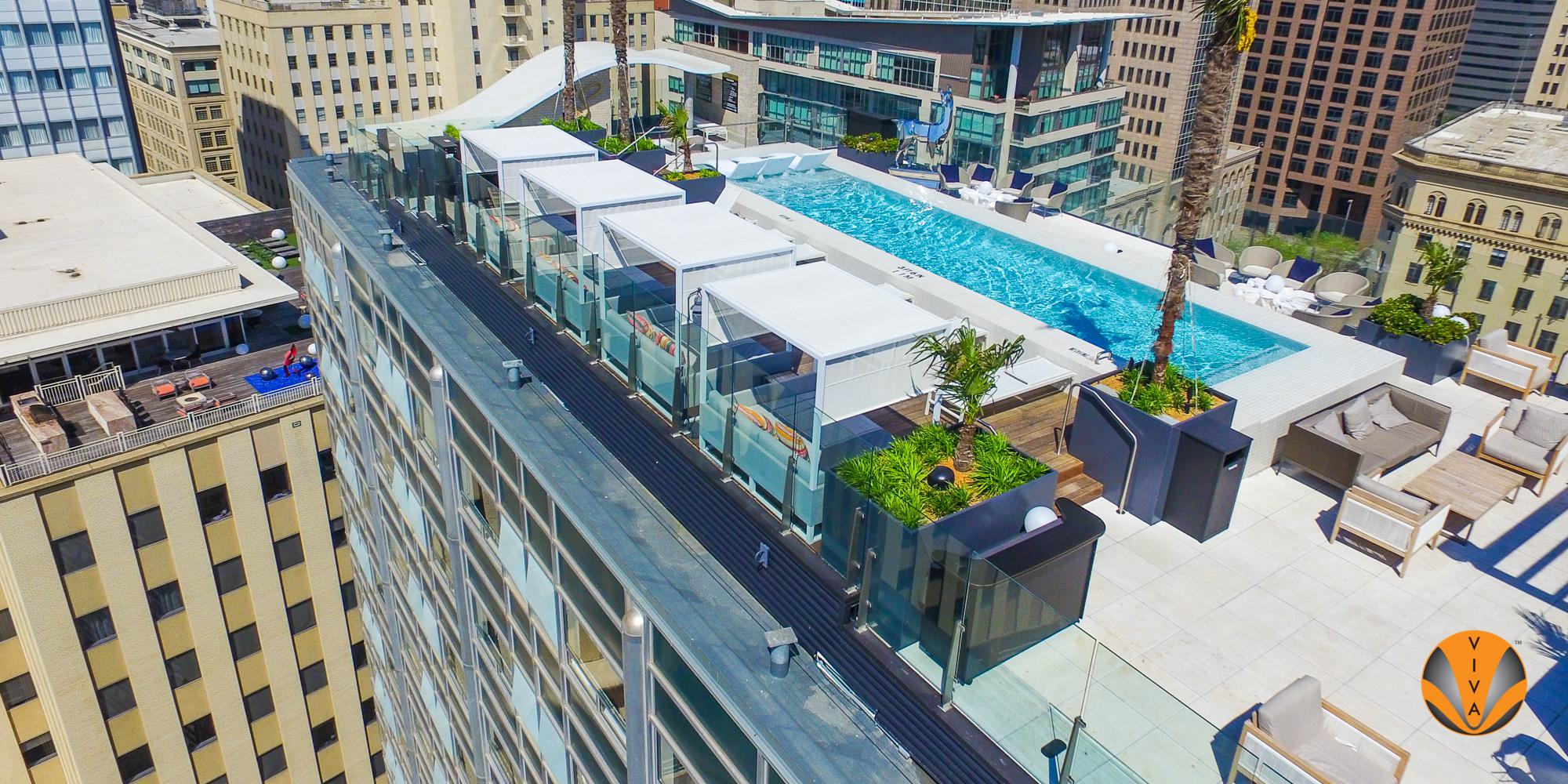
Jersey City has undergone one of the most dramatic commercial and residential transformations of any American city over the past three decades. What was once a former industrial waterfront, the site of the Pennsylvania Railroad's Jersey City Terminal and the warehouses that served New York Harbor's freight trade, is now the Gold Coast: a continuous line of luxury residential towers and mixed-use commercial buildings that have made Jersey City the most significant residential real estate market in New Jersey and one of the most competitive in the Northeast. The asset that drives this market is the view, and the asset that protects the view is the glass balcony railing.
The NJ Uniform Construction Code regulatory context is the practical dimension that distinguishes Jersey City glass balcony railing work from comparable projects on the Manhattan side of the Hudson. New Jersey's UCC adopts IBC with New Jersey amendments and is administered through Hudson County inspectors, a regulatory process that is meaningfully more streamlined than the NYC Department of Buildings review that governs comparable Midtown or Lower Manhattan projects. For development teams and architects who work on both sides of the Hudson, this distinction has real schedule and cost implications: Jersey City glass balcony railing specifications that are correctly documented for NJ UCC review can move through the permitting process significantly faster than the equivalent scope in Manhattan.
The hardware specification for Jersey City waterfront applications requires attention to the Hudson River's estuarine environment. The Hudson River below Poughkeepsie is a tidal estuary, influenced by both the freshwater flow from upstate and the salt water of New York Harbor below. The Gold Coast waterfront towers, which sit at or near the river's edge, experience marine air exposure that warrants 316 stainless hardware for exterior glass balcony railing components. Towers in the Newport corridor, Journal Square, and the inland areas of Jersey City are set back from direct water exposure and can use 304 stainless hardware for most exterior applications, a cost-effective specification that VIVA calibrates to the specific project's location and exposure.



 Schedule Meeting
 Connect on LinkedIn