

 Cable Railing Systems in Houston, TX | VIVA Railings
 Download Specs

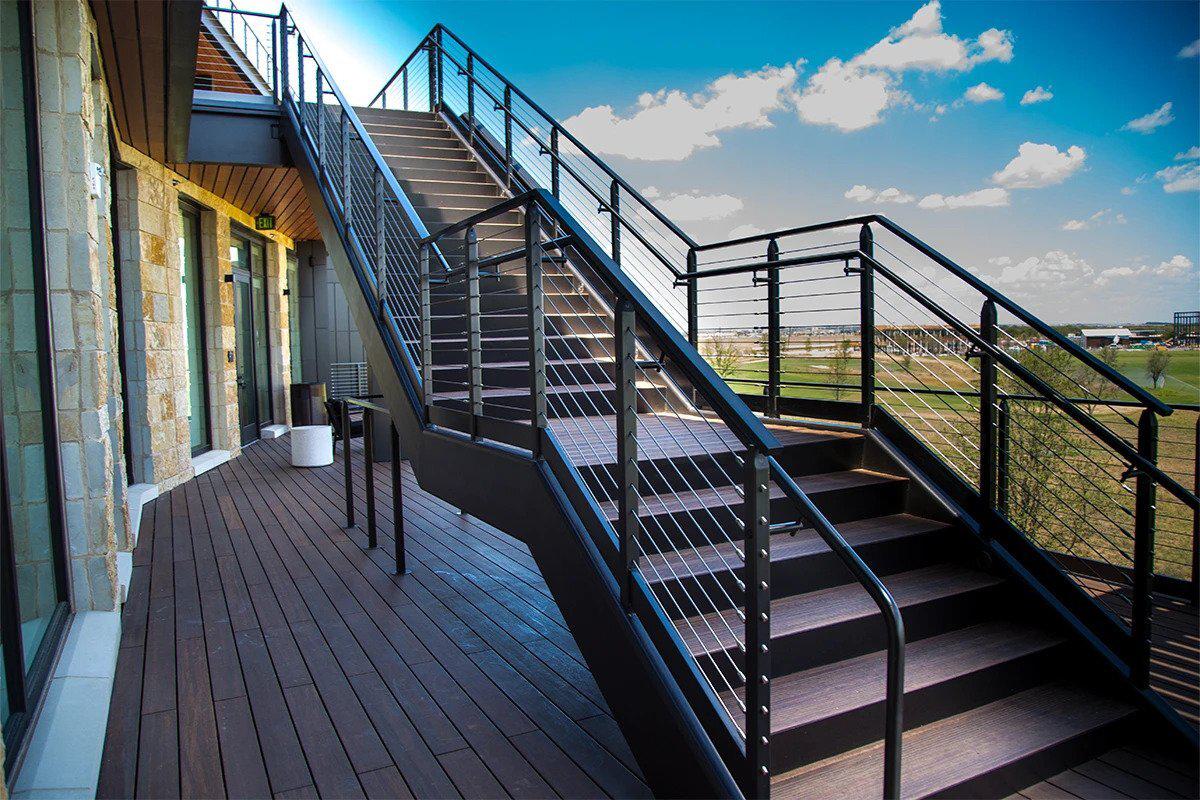







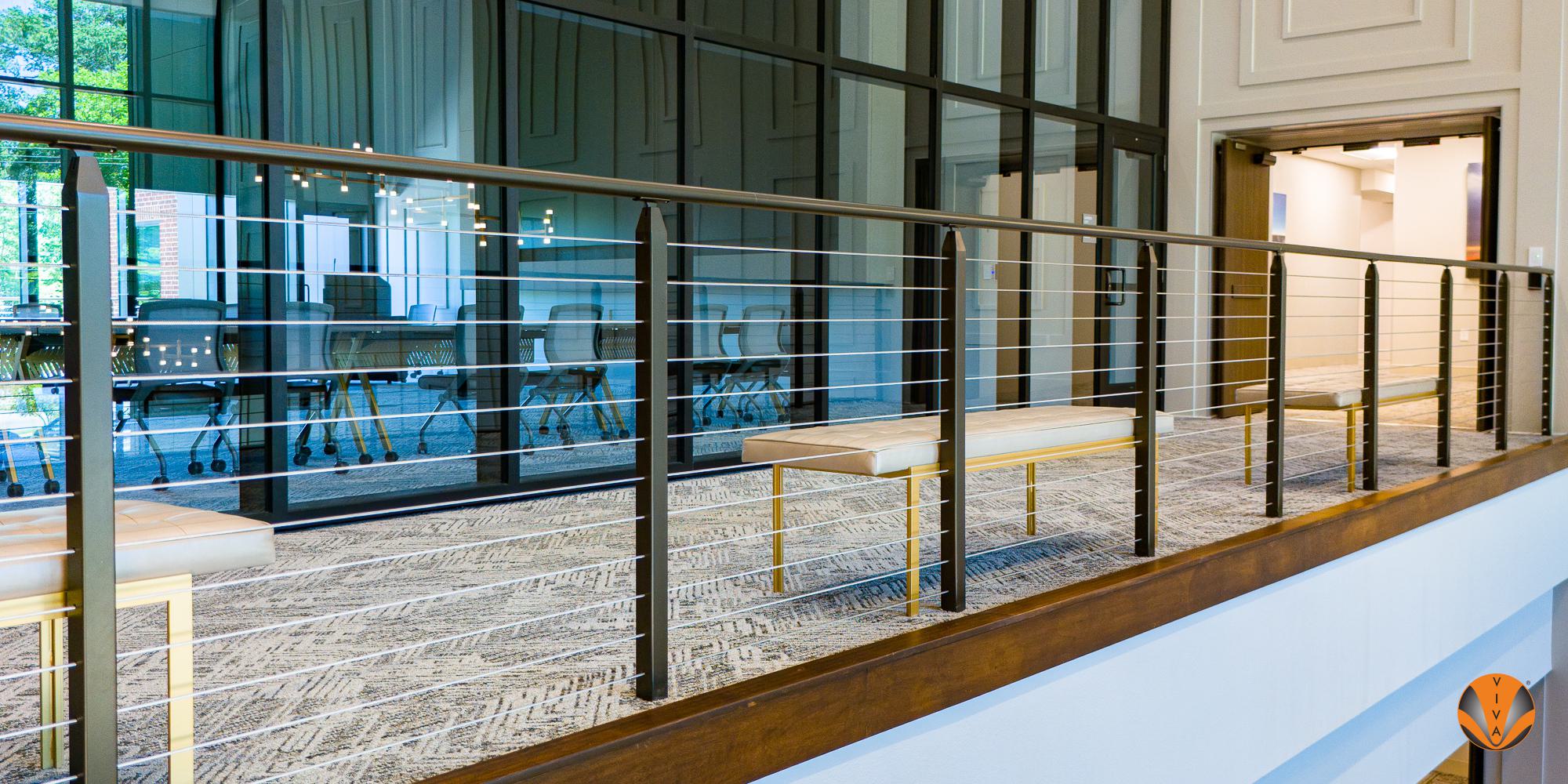
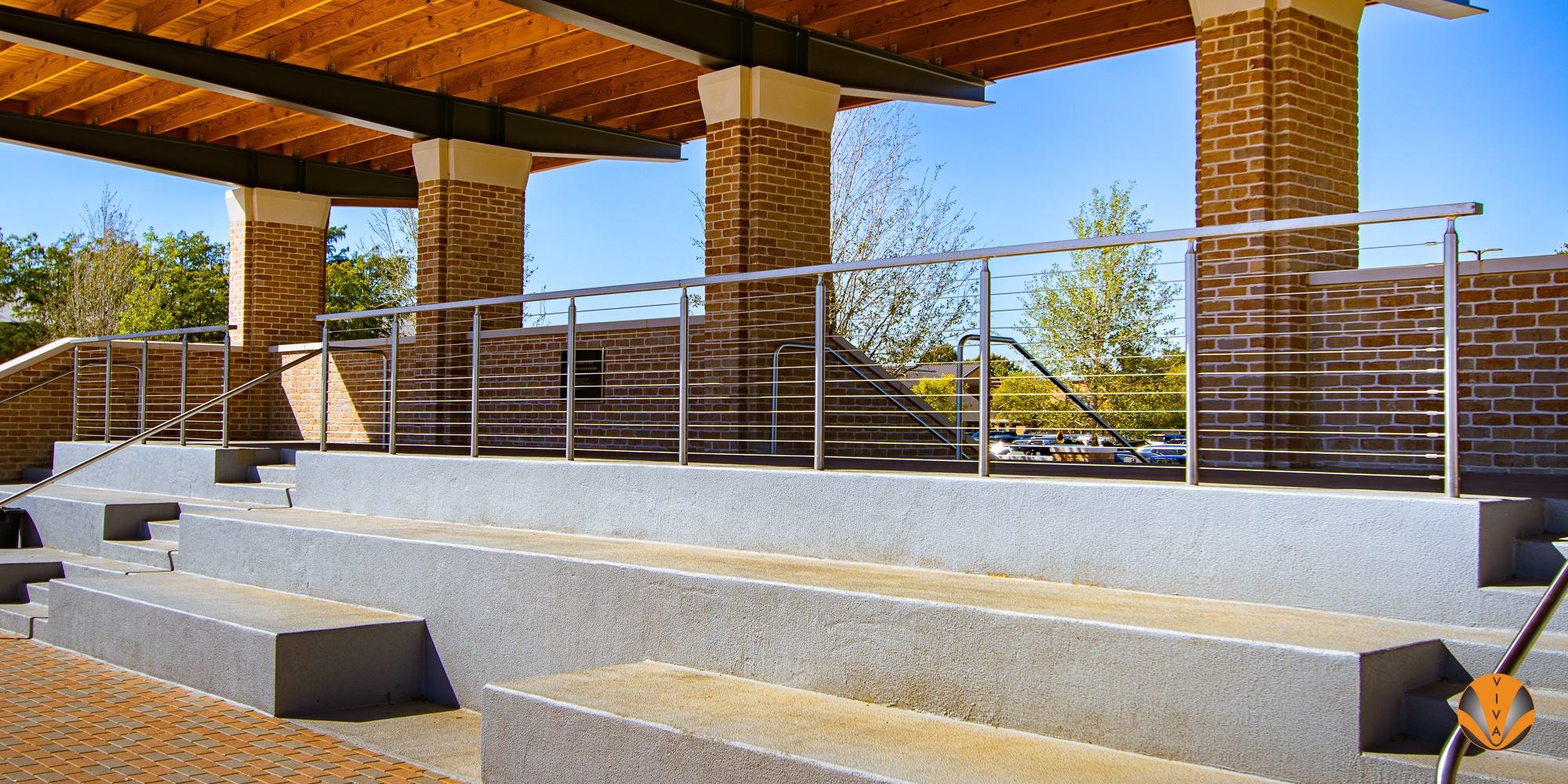

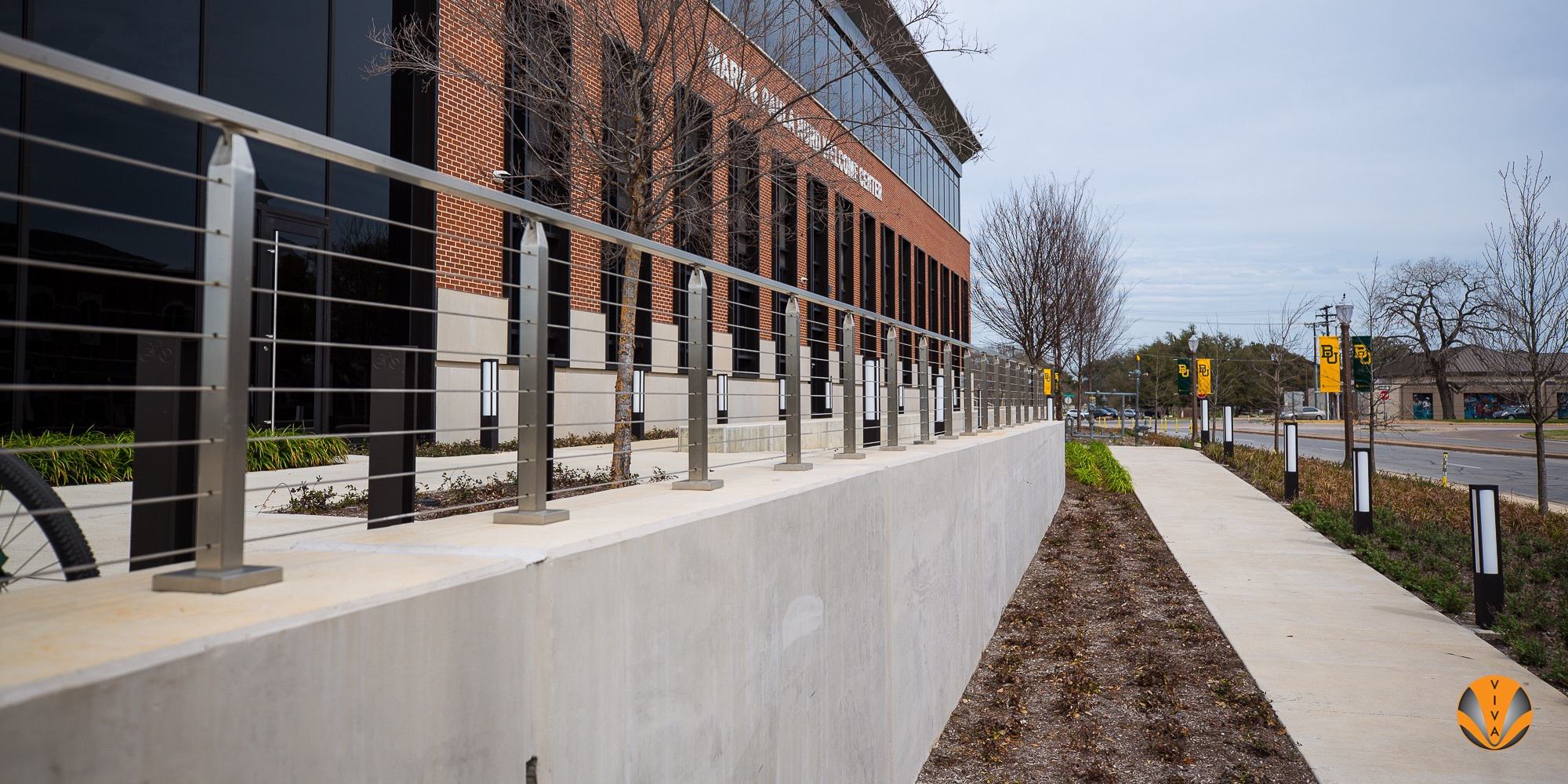
Cable Railing for Houston's Inner Loop Neighborhoods and Bayou Amenity Market
Houston is experiencing a genuine urban renaissance in its inner loop neighborhoods. The Heights — long Houston's most desirable inner-loop neighborhood — continues to add mixed-use development along 19th Street and Washington Avenue. Montrose remains the city's creative and hospitality epicenter, with new restaurant and bar development occupying every available ground-floor space. East End's industrial building stock is being steadily converted to breweries, event venues, creative offices, and hospitality uses. And across the city, the expanding bayou park network — particularly the Buffalo Bayou Park corridor west of downtown — is creating outdoor amenity real estate that is driving commercial investment along its edges. Cable railing is the consistent specification across all of these applications.
The hardware specification is where Houston cable railing diverges most sharply from other Texas markets. Dallas cable railing outdoor specification focuses on UV resistance and heat cycle durability. San Antonio focuses on River Walk moisture and institutional documentation. Houston's outdoor cable railing specification is governed by a single overriding factor: year-round subtropical humidity. Houston averages humidity levels that are meaningfully higher than Dallas throughout the year, and the Gulf Coast moisture environment doesn't give exterior metal hardware a dry season to recover. This means 316 stainless cable, fittings, and swage terminals on all exterior Houston applications — not as a premium upgrade but as the baseline specification for durable performance. VIVA builds this into every Houston cable railing scope from the start.
Houston's adaptive reuse market adds a specific installation context that shapes cable railing coordination. Warehouse and industrial building conversions — which make up a significant share of the Heights, East End, and EaDo commercial construction market — often involve existing concrete or heavy timber framing that doesn't conform to regular new construction layouts. Post anchor locations may need to coordinate with existing structural bays; intermediate posts may need to anchor to exposed steel beams; and the top rail may need to transition across floor-to-ceiling height variations that are common in industrial buildings adapted for commercial use. VIVA supports these conditions with layout guidance and connection details calibrated to the specific structural reality of each project.
The bayou-adjacent application is worth addressing specifically. Commercial decks and terraces along the Buffalo Bayou Park corridor, the Brays Bayou greenway, and the other park-adjacent commercial developments in Houston's inner loop experience elevated moisture exposure from the water body, the park irrigation, and the humidity that concentrates in low-lying areas near water. Post bases and cable fittings in these environments need to be detailed for drainage and specified with sealants that won't break down under persistent moisture contact.


 Schedule Meeting
 Connect on LinkedIn