

 Structural Glass Railings in Dallas, TX | VIVA Railings
 Download Specs

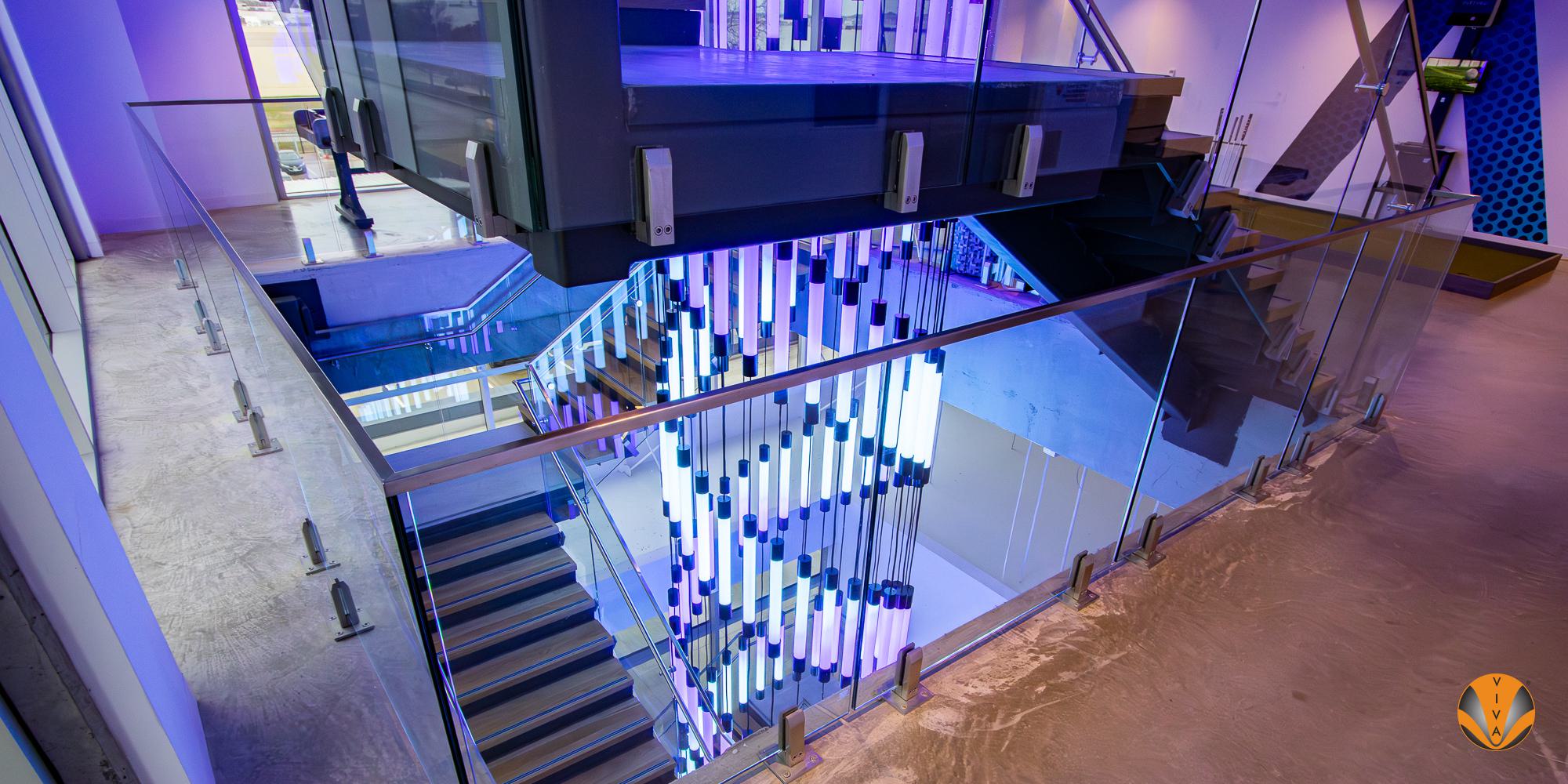







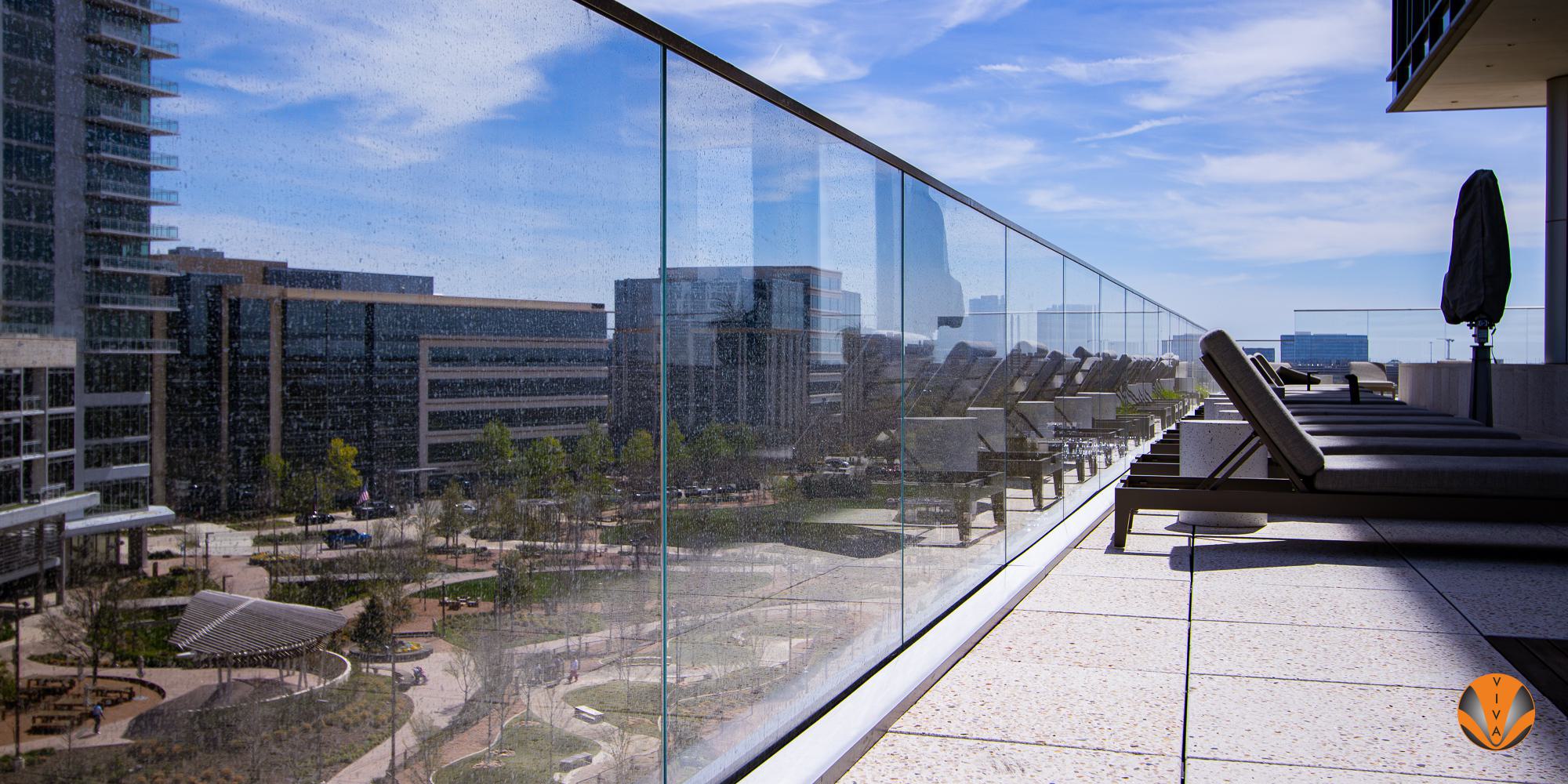
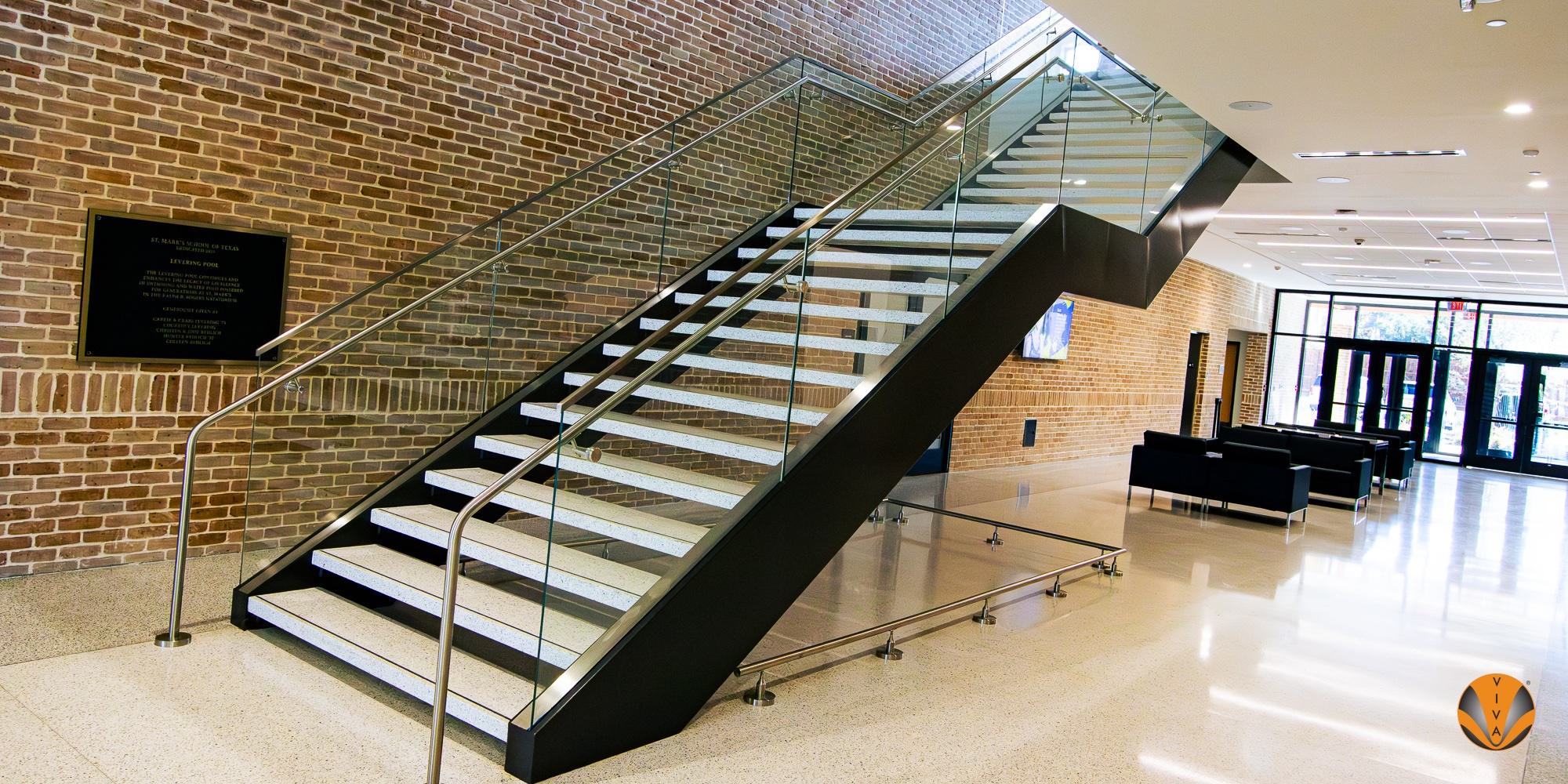
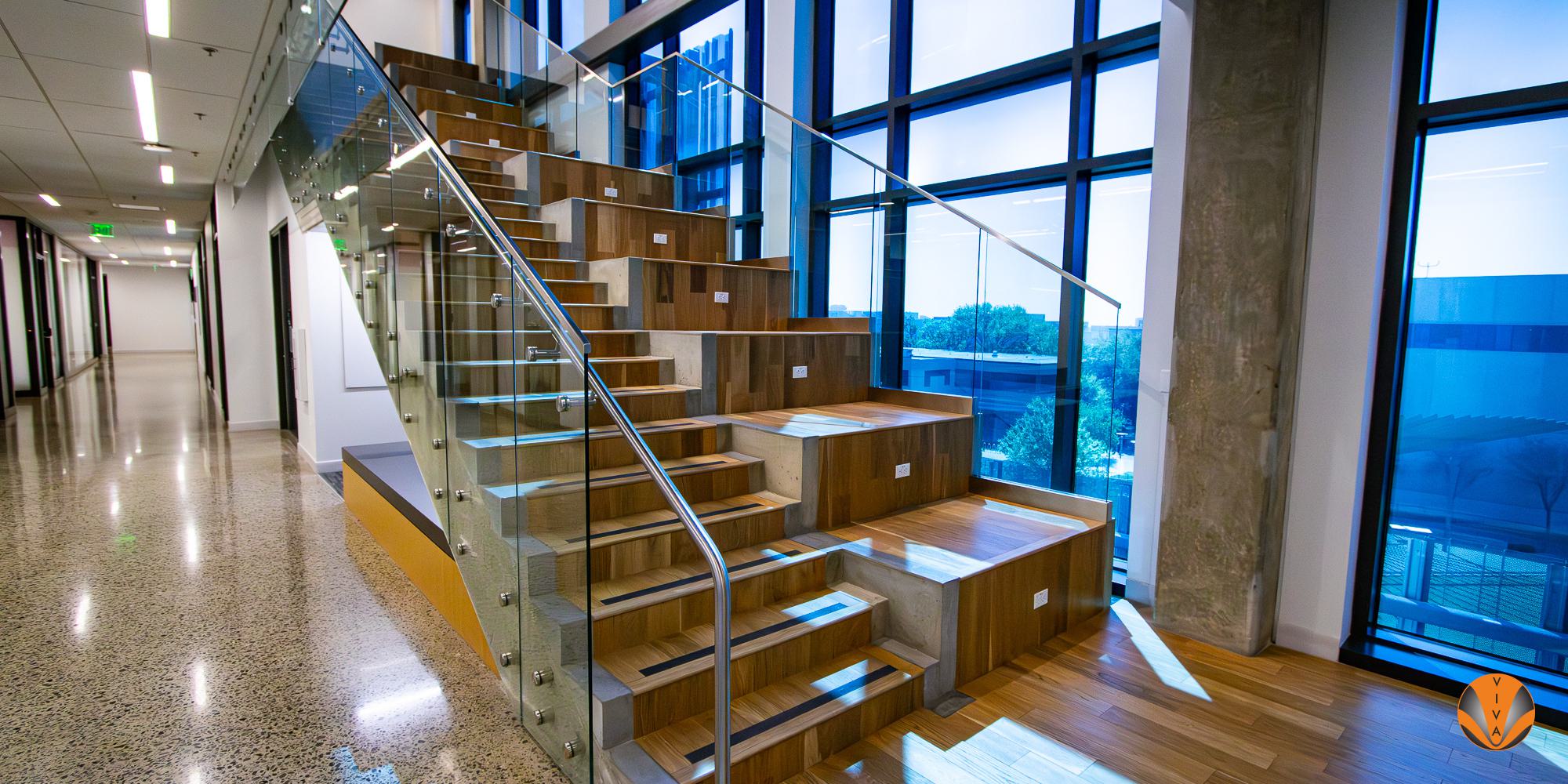
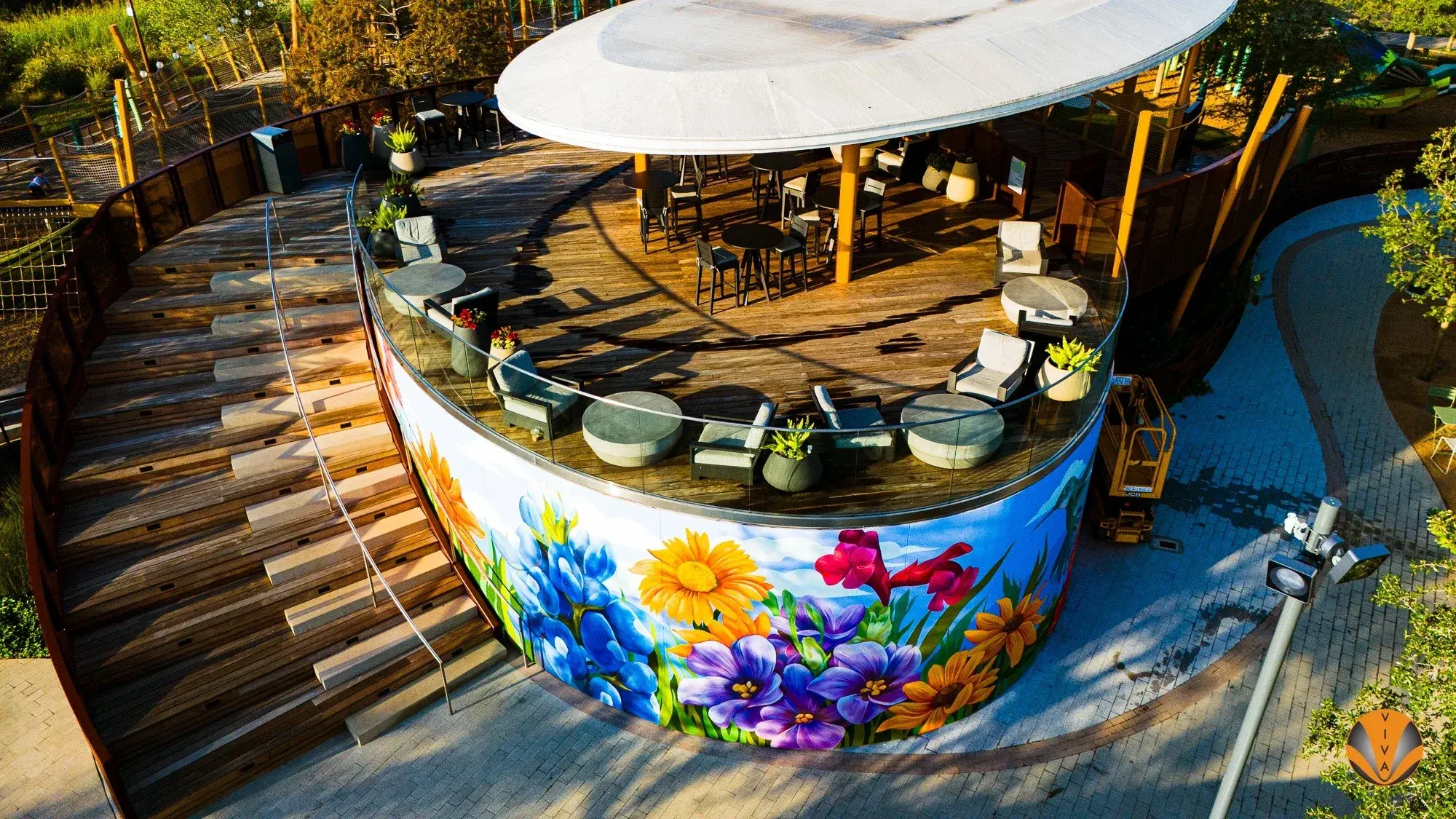
Structural Glass Railings for Dallas's Most Demanding Commercial Interiors
Dallas has built more Class A commercial office space in the last decade than almost any other U.S. city. Uptown's skyline has been transformed by corporate relocations from California and the Northeast, companies that brought their workplace design standards with them and found Dallas developers willing to meet them. The result is a commercial interior market where the lobby, the mezzanine, and the stair feature are expected to be architectural moments. Structural glass railings, post-free systems where the glass panel is the structure, are the specification that delivers on that expectation most completely. There is no cable to break the plane, no post to step around, no top rail to visually cap the height. Just glass, and the space beyond it.
The engineering requirements for Dallas structural glass railing are meaningfully different from those in seismic markets like San Francisco. DFW doesn't require the seismic load path coordination that California projects demand, but Dallas has its own structural considerations that can surprise teams accustomed to specifying glass railings in more temperate climates. The city's temperature differential is significant: summer highs regularly exceed 105°F while winter lows can reach the mid-20s. That 80-degree swing creates thermal movement in base shoe channels and sealant joints that, if not accommodated in the specification, leads to premature sealant failure and glass panel fit problems. VIVA builds DFW thermal movement accommodation into every structural glass railing specification, it's an invisible detail when done correctly and a visible problem when it's not.
Dallas's active tenant improvement market adds a practical dimension that distinguishes structural glass railing work here from new construction markets. A significant share of Uptown and downtown Dallas railing projects is in existing buildings, corporate office remodels, hotel renovation, and hospitality buildout in existing mixed-use towers where the slab is already finished. In these cases, recessed base shoe installation is often not feasible, and surface-mount becomes the right specification. Surface-mount structural glass can be executed beautifully with the right base shoe profile and proper substrate preparation, but the decision needs to be made at design development, not during construction.
Whether the project is a new Uptown tower lobby at the base of a 40-story headquarters building, a corporate conference center mezzanine in the Galleria submarket, or a TI remodel for a financial firm in a downtown high-rise, VIVA supports the Dallas structural glass railing scope with the coordination depth and schedule responsiveness that DFW commercial teams expect.



 Schedule Meeting
 Connect on LinkedIn