

 Cable Railing Systems in Atlanta, GA | VIVA Railings
 Talk to Specialist

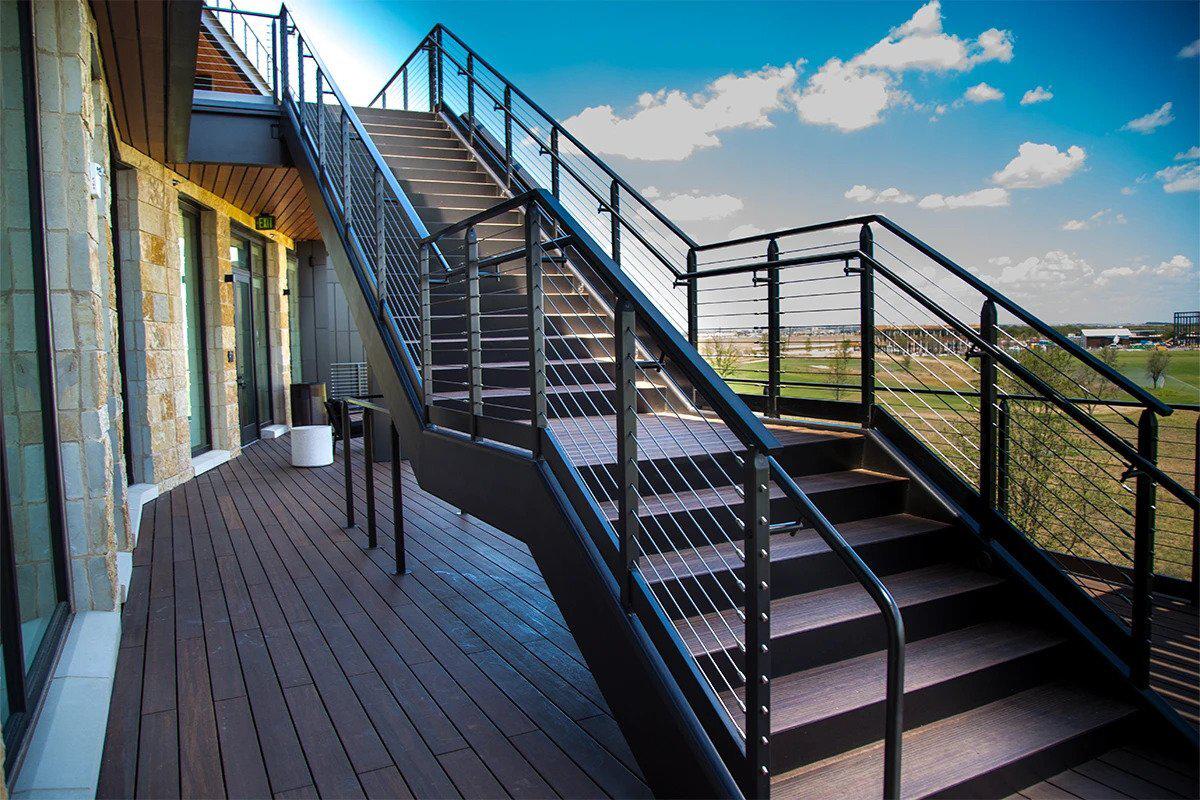







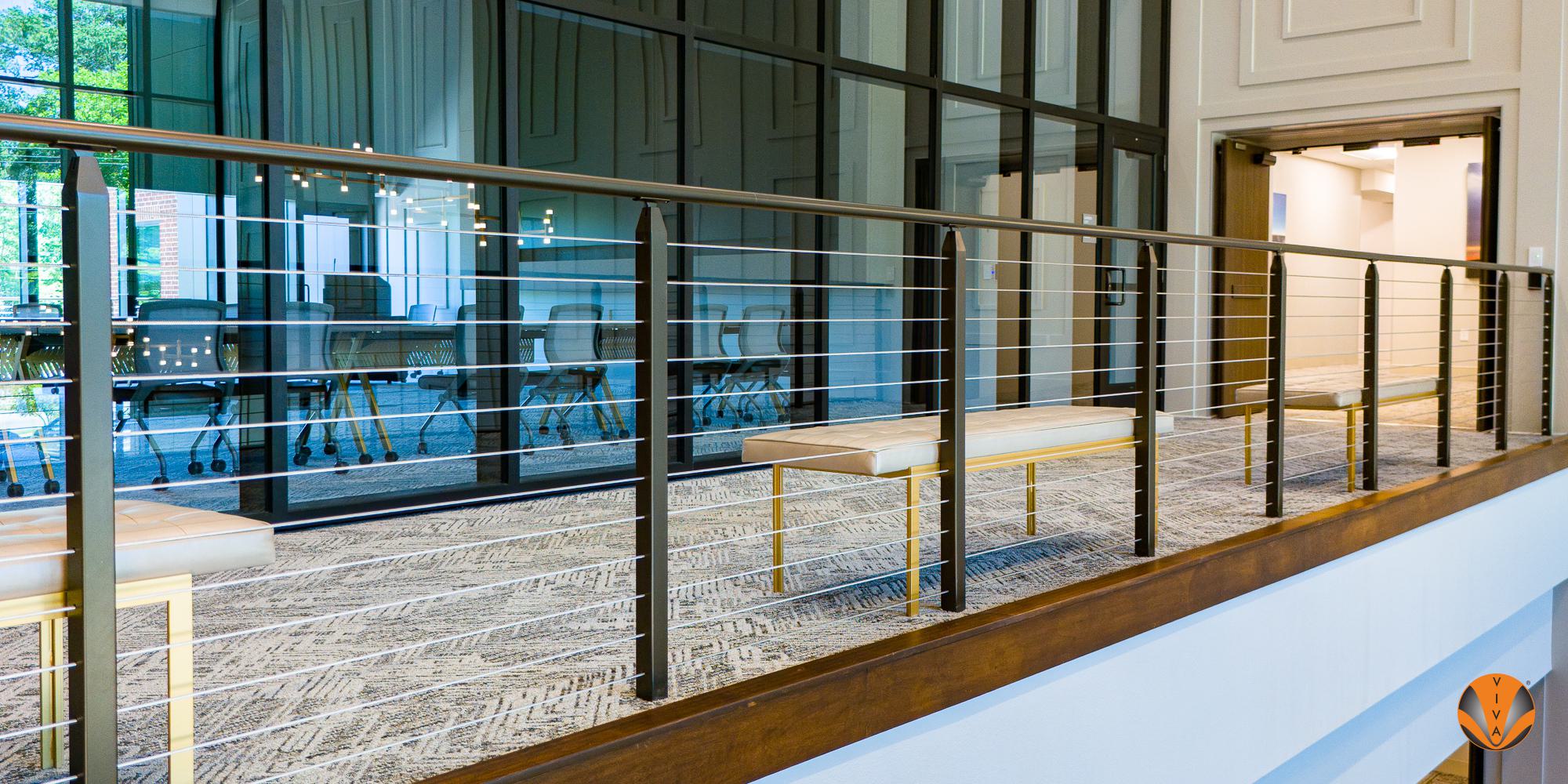


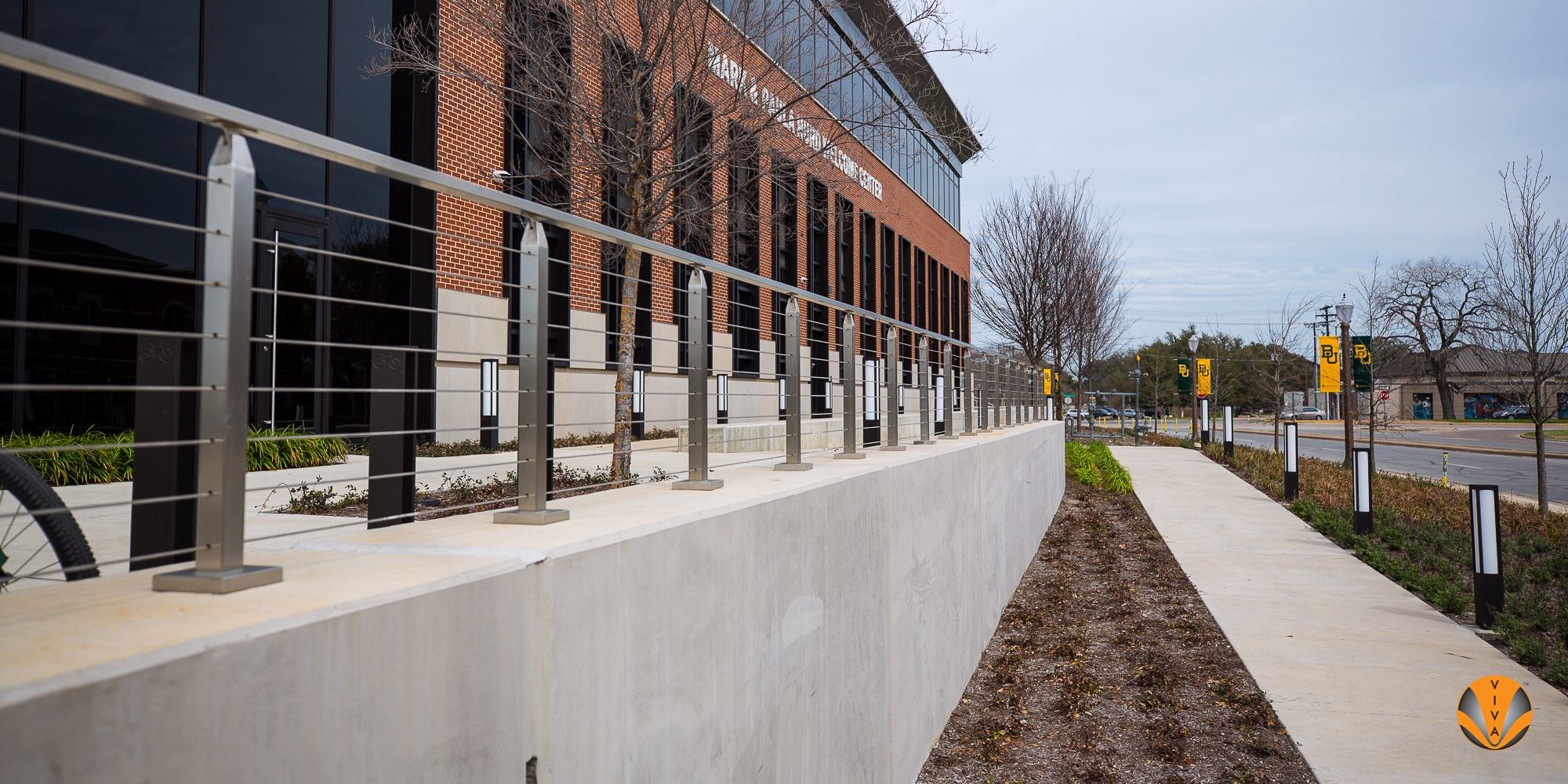
Cable Railing Systems for Atlanta's Corporate Relocation and BeltLine Commercial Market
Atlanta is in the middle of the most significant commercial construction cycle in its history — driven by a corporate relocation wave that has brought Microsoft, Apple, Visa, Norfolk Southern, and dozens of mid-size companies to Midtown and Buckhead; a BeltLine Trail development program that has catalyzed commercial investment in neighborhoods from Inman Park to Reynoldstown to Adair Park; and a film and television production industry that has made Atlanta the third-largest production market in the United States. Cable railing systems appear consistently across all three of these market forces.
The climate specification for Atlanta outdoor cable railing is more nuanced than many teams assume. Atlanta has a humid subtropical climate with hot, muggy summers. But Atlanta is not a coastal market. There is no salt air, no marine layer, no tidal influence. The outdoor corrosion environment is driven by heat, humidity, and UV exposure — all addressed with UV-stable powder-coat on post systems and 304 stainless cable hardware for most applications. The 316 stainless premium is not required as a baseline for Atlanta exterior railing, unlike Gulf Coast or Pacific Coast markets. This is a meaningful cost distinction for Atlanta project budgets.
The BeltLine context is where Atlanta cable railing has its most distinctive regional character. The 22-mile trail-and-transit corridor has activated a ring of formerly industrial neighborhoods that now host a concentration of mixed-use commercial, hospitality, and creative economy development unlike anything else in the Southeast. The buildings along the BeltLine — converted warehouses, new mixed-use infill, adaptive reuse breweries and restaurants — have a material palette that is simultaneously industrial and contemporary. Cable railing fits this palette naturally.
Atlanta's film and television production market adds a commercial application type that is unique in this library. Georgia's film tax credits have made the state one of the leading production destinations in the country, and the infrastructure that serves this industry — studio complexes, production offices, equipment warehouses, post-production facilities — generates a commercial construction pipeline that includes mezzanines, exterior walkways, and outdoor staging areas where cable railing is a consistent specification.



 Schedule Meeting
 Connect on LinkedIn