

 Metal Screen Panels for Commercial & Architectural Projects | MetalSpaces
 View Panel Catalog










Metal Screen Panels: Specification, Fabrication, and Application
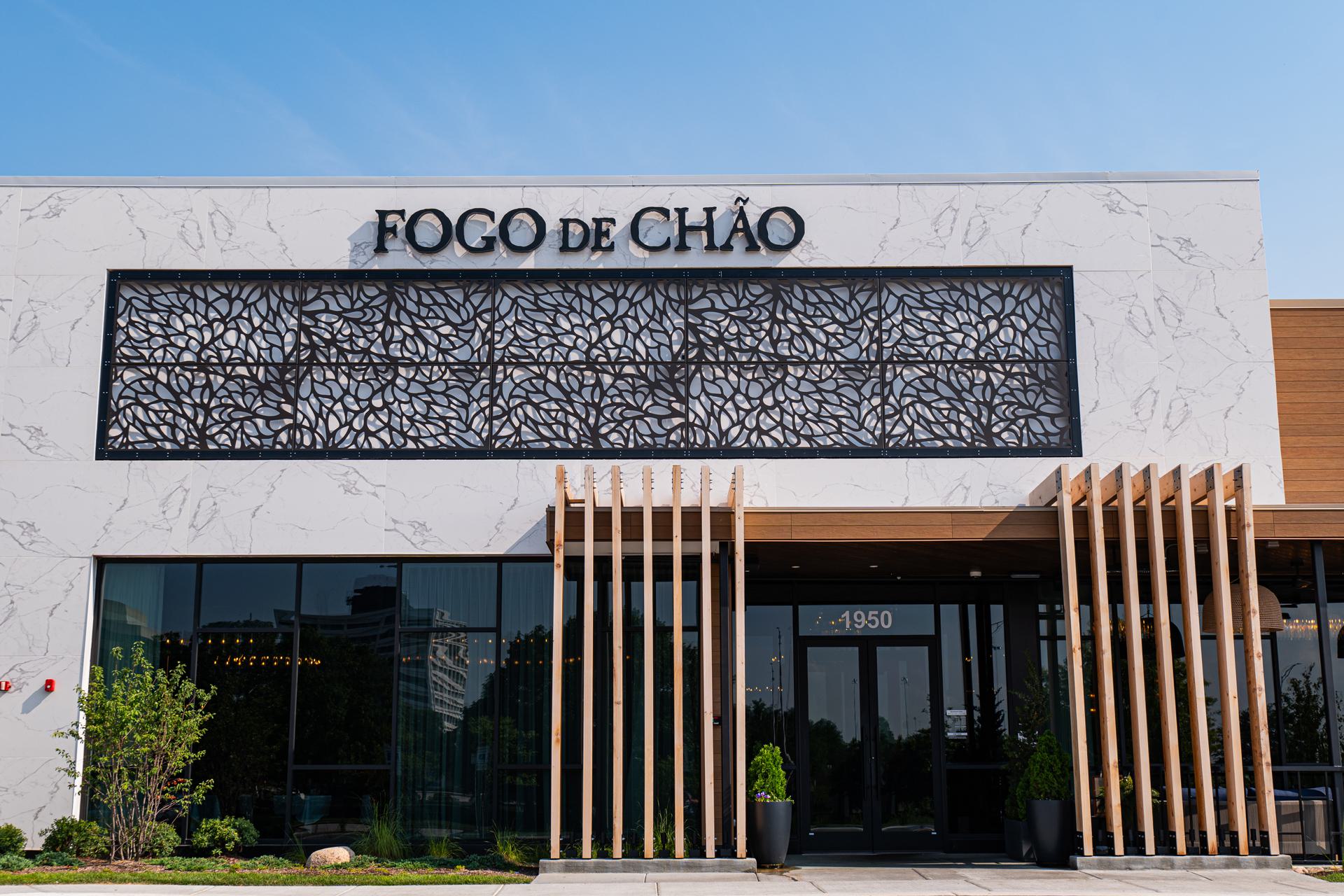
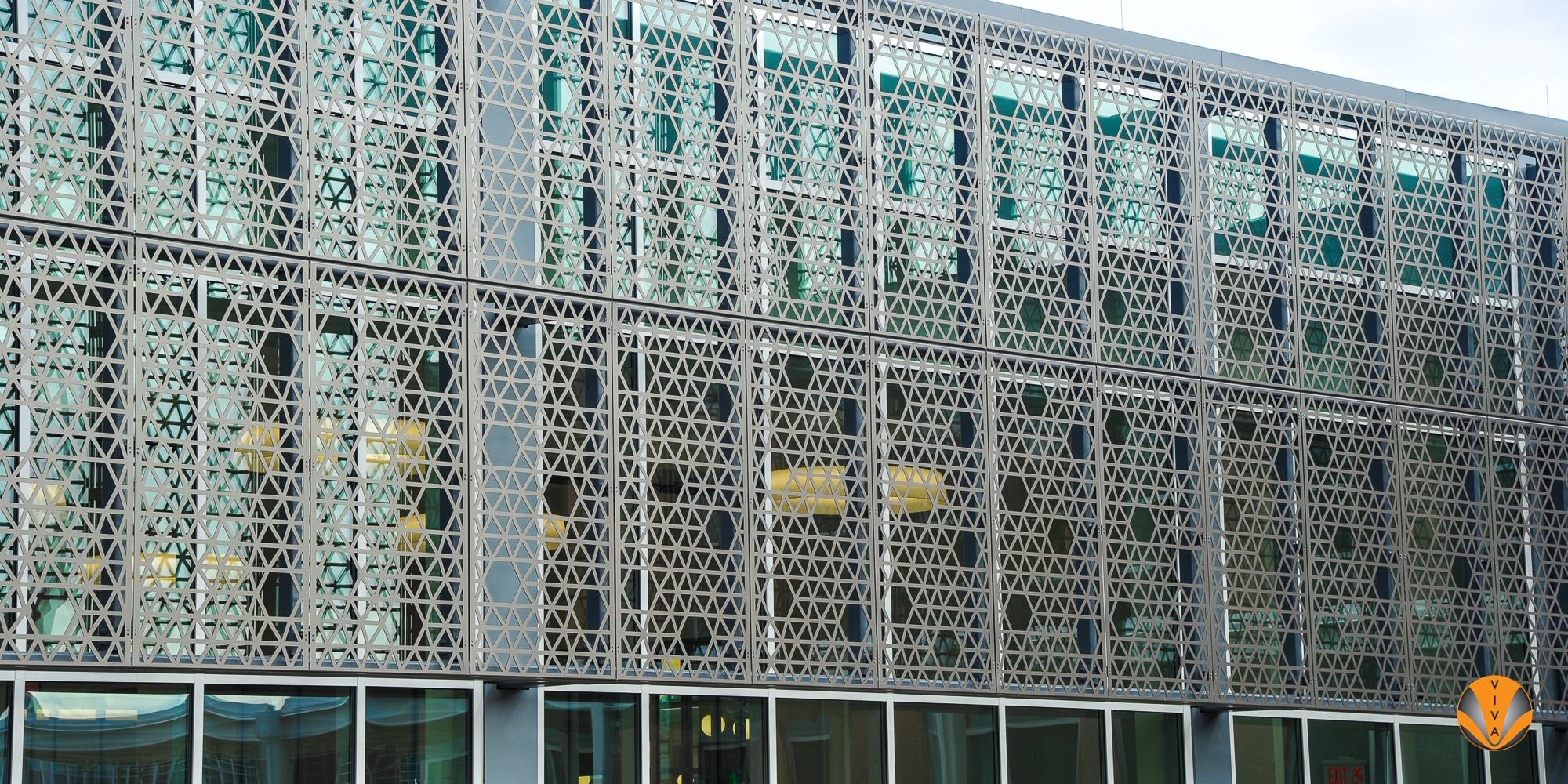
The term metal screen panels covers a broad product category, any fabricated metal panel with open area, whether that openness is achieved through perforation, laser cutting, expanded metal, wire mesh, or stamped pattern. What distinguishes Metal Spaces metal screen panels is the precision of CNC laser fabrication, the breadth of material options, and the design-assist workflow that helps teams move from a design intent to a fabrication-ready specification without the typical back-and-forth that can consume weeks on a schedule.
For exterior facade applications, the open area percentage of a metal screen panel is a critical specification parameter, it determines solar heat gain coefficient, wind load resistance, and the visual density of the screen surface from the building's exterior. Metal Spaces helps design teams select perforation patterns and open area percentages that meet the project's performance requirements, whether that's a sun shading calculation target for a LEED submission, a structural wind load requirement for a high-rise facade, or simply the visual transparency level the architect wants at street level versus upper floors.
Parking structure applications are one of the most consistent demand sources for metal screen panels in commercial construction. A parking garage facade that uses metal screen panels rather than solid precast or EIFS cladding provides the natural ventilation that parking codes require while giving the building an architectural exterior that doesn't read as a parking structure from the street. Pattern selection, open area, and color can all contribute to a parking facade that reads as intentional, and Metal Spaces has fabricated parking structure screen panel systems at scales ranging from boutique urban structures to large regional and airport parking facilities.
Interior applications, hospitality lobbies, corporate headquarters feature walls, restaurant and retail space dividers, use metal screen panels for their material quality and the way pattern creates visual interest without adding visual mass. In these applications, the material and finish selection shifts: powder-coated mild steel and anodized aluminum are common interior choices, with Cor-Ten reserved for applications where the warm patina of weathering steel is an intentional design element rather than an outdoor durability strategy.



 Schedule Meeting
 Connect on LinkedIn