

 Decorative Metal Panels for Commercial and Architectural Projects | MetalSpaces
 View Panel Gallery

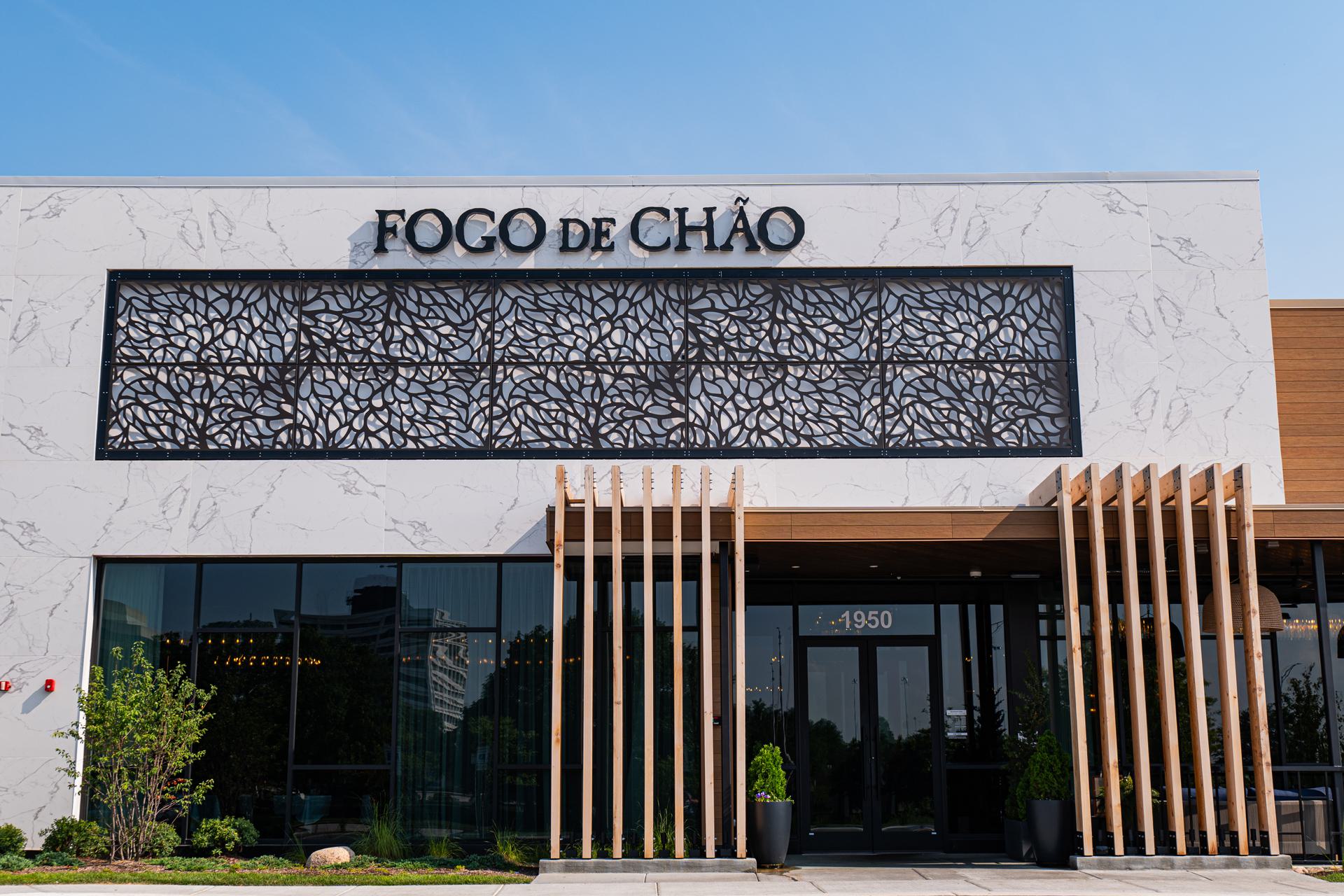







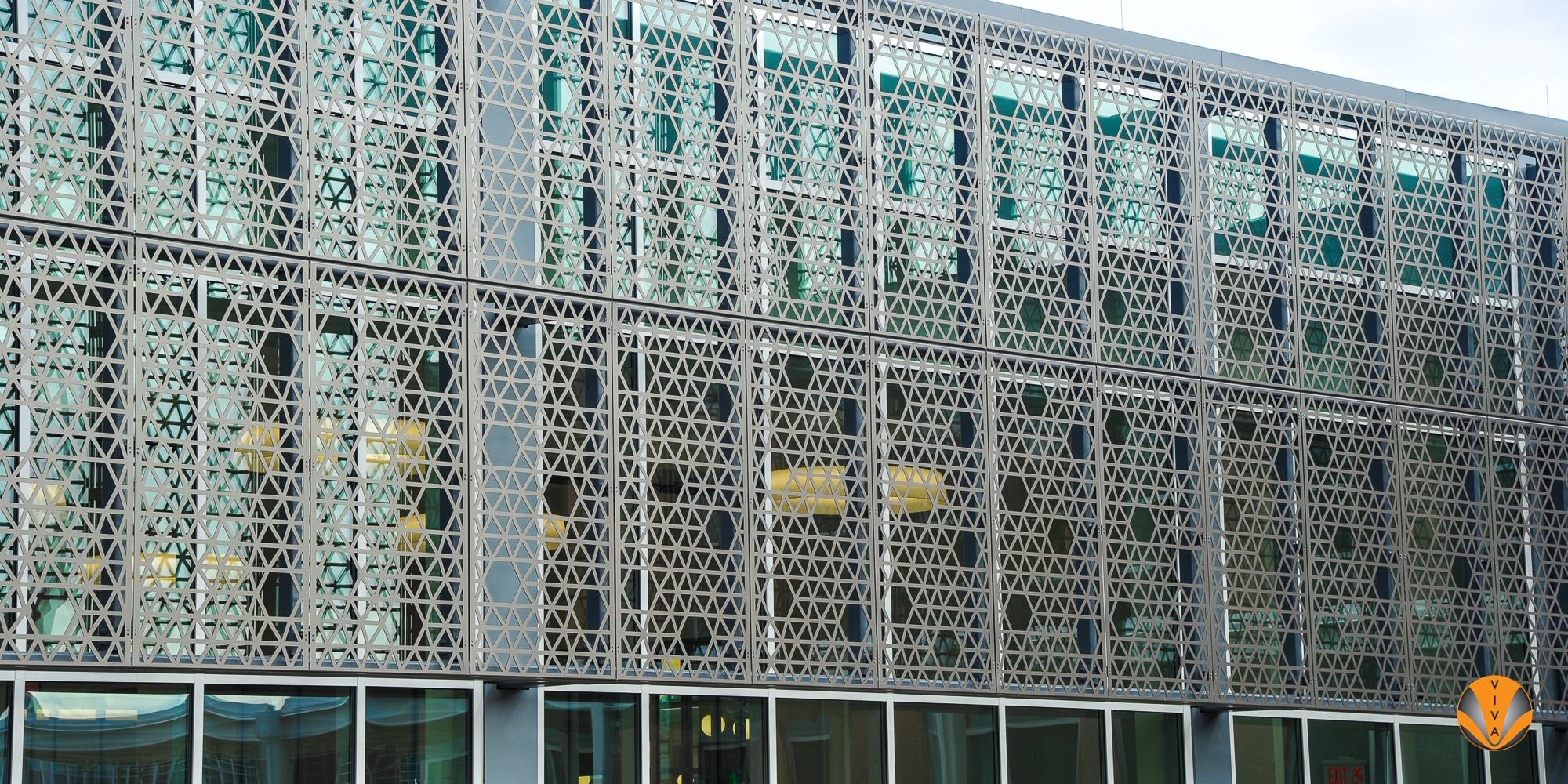
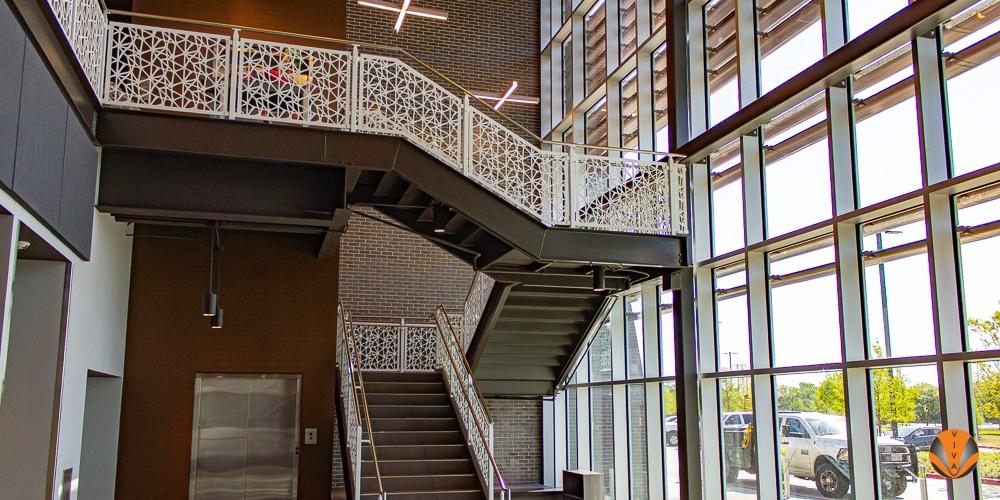
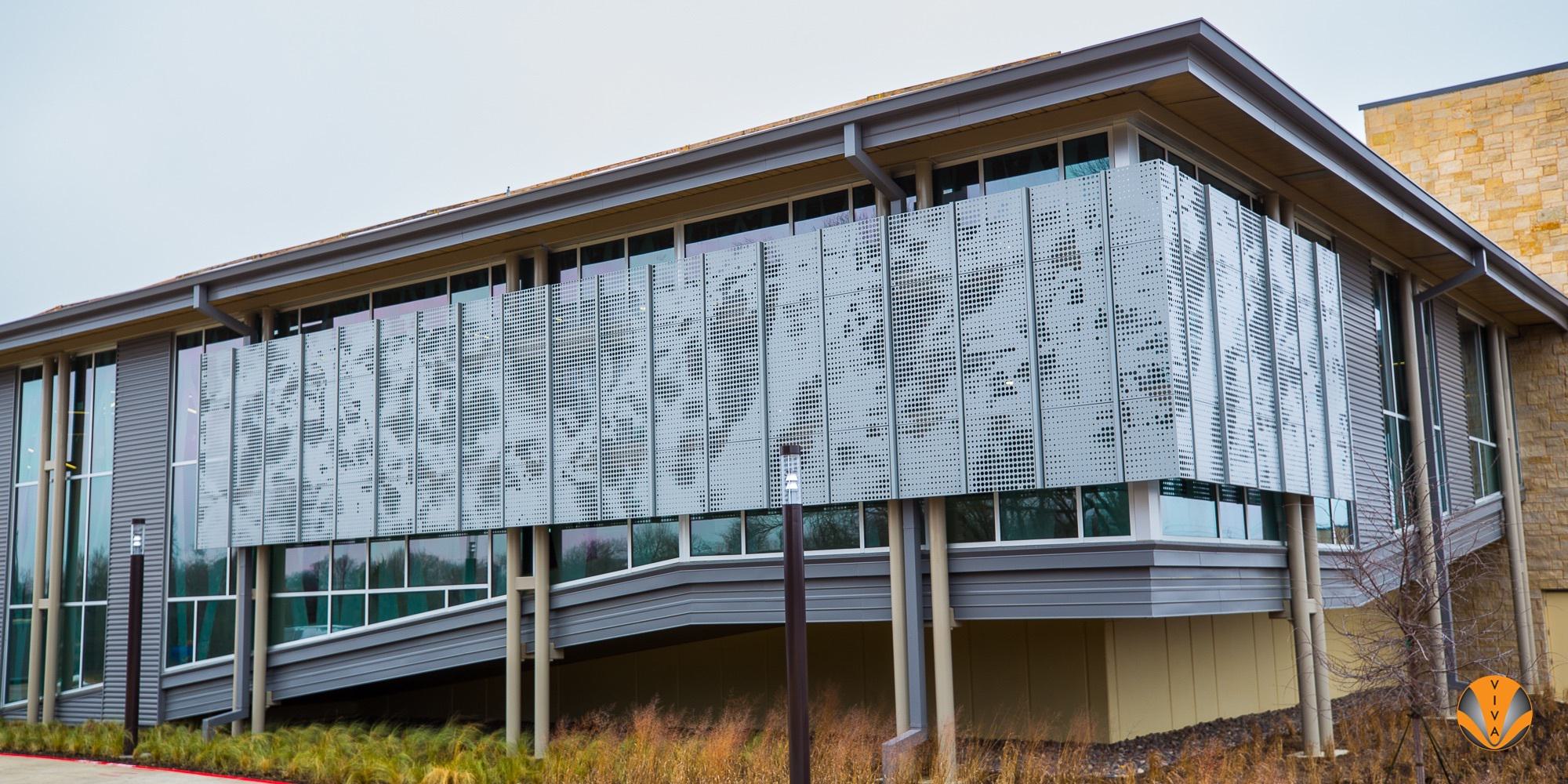
Decorative Metal Panels: From Design Intent to Fabricated Reality
Decorative metal panels occupy the space between raw material and finished architecture, they take the structural and thermal neutrality of a metal sheet and give it visual character, surface depth, and the kind of material specificity that distinguishes a considered design from a generic specification. Metal Spaces has been fabricating decorative metal panels for commercial and institutional projects for over a decade, working with design teams at every project scale from boutique hospitality interiors to large civic and mixed-use facades.
The most fundamental decision in any decorative metal panel specification is material selection. Mild steel with powder-coat finish is the most cost-effective option for the widest range of interior and sheltered exterior applications, the powder-coat provides UV and moisture resistance, and the color palette is essentially unlimited. Cor-Ten weathering steel is the right material when a warm, self-finishing surface patina is part of the design intent, outdoor civic spaces, industrial-aesthetic commercial interiors, and facade applications where low maintenance and material authenticity are both valued. Aluminum is the choice where light weight, corrosion resistance, and dimensional stability across temperature ranges are priorities, particularly for large-scale exterior cladding and facade screen systems. Stainless steel is specified where the highest-grade corrosion resistance and a refined finish are required: coastal applications, food service environments, and premium commercial interiors.
Pattern selection is the second major decision, and the one that most directly expresses the design intent. Metal Spaces offers a catalog of standard geometric patterns suitable for projects where speed and cost predictability are priorities, and supports fully custom pattern development for projects where the panel design is a distinct architectural element. CNC laser cutting makes custom pattern fabrication achievable at commercial project scales without the cost premiums that hand fabrication once required. The design team's pattern file, or a concept sketch that Metal Spaces converts to a fabrication-ready file, becomes the panel, with the same geometry repeated consistently across every panel in the run.
The installation interface is where decorative metal panel projects most commonly encounter problems, and where early coordination has the highest return. Panels need to align with the facade or wall system's structural grid, coordinate with the building envelope's thermal and moisture control layers, and attach in a way that allows thermal movement without visible distortion. Metal Spaces provides panel sizing and attachment recommendations that are calibrated to the project's structural conditions, reducing the RFIs and field adjustments that result from panels specified without regard to how they connect to what's behind them.



 Schedule Meeting
 Connect on LinkedIn