

 Glass Railing Systems in Seattle, WA | VIVA Railings
 Resources








Glass Railing Systems for Seattle's Technology, Waterfront, and Urban Commercial Market
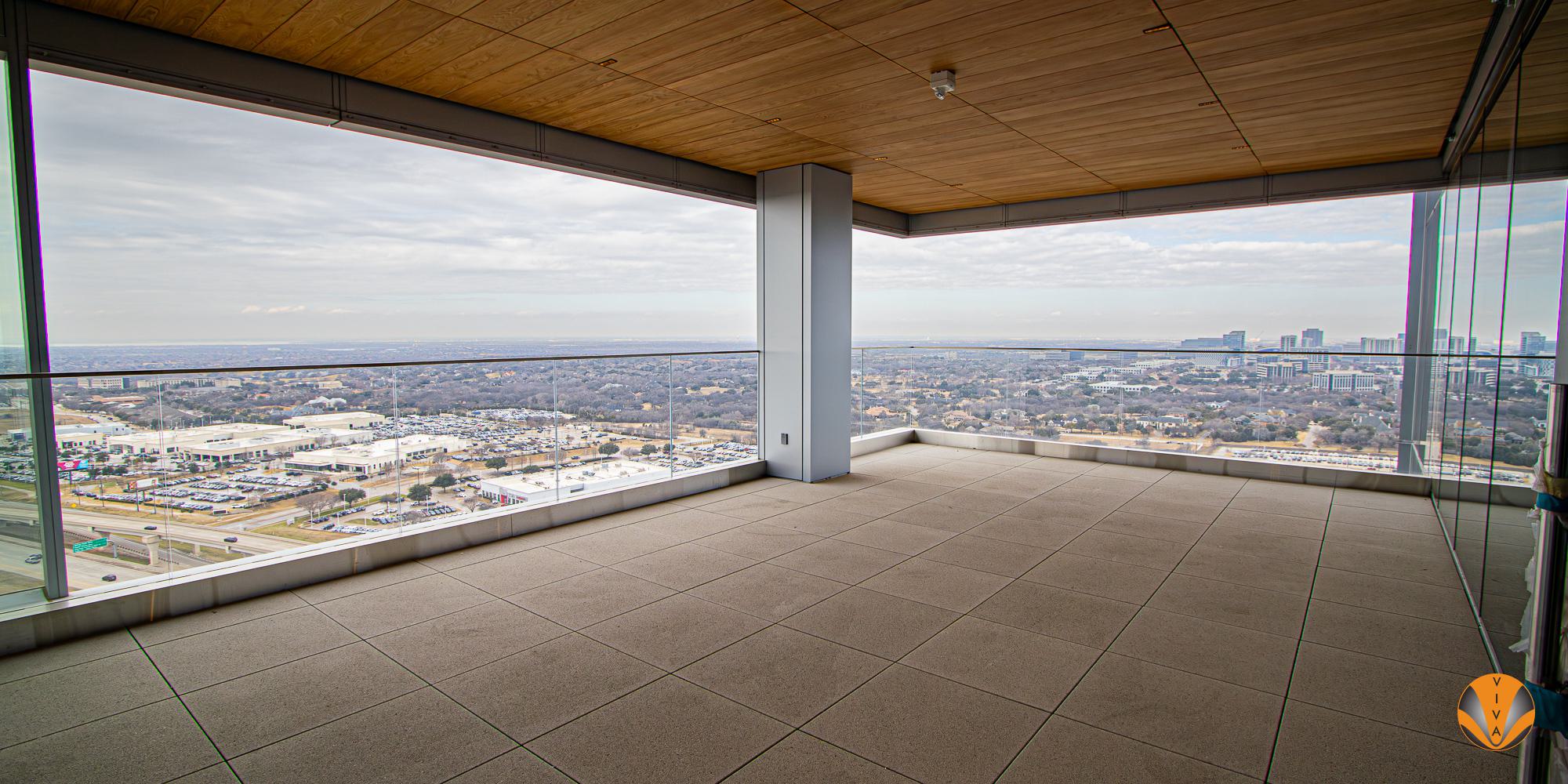
Seattle is simultaneously one of the world's leading technology cities and one of its most geographically distinctive — a dense urban core on a narrow isthmus between Puget Sound and Lake Washington, ringed by mountains visible on clear days, with water at its edges in virtually every direction. The commercial construction market these conditions produce is unlike any other in the Pacific Northwest, and glass railing systems are central to how Seattle's most important commercial projects are specified. The view is always worth preserving, and glass railing is how you preserve it while meeting the guardrail requirement.
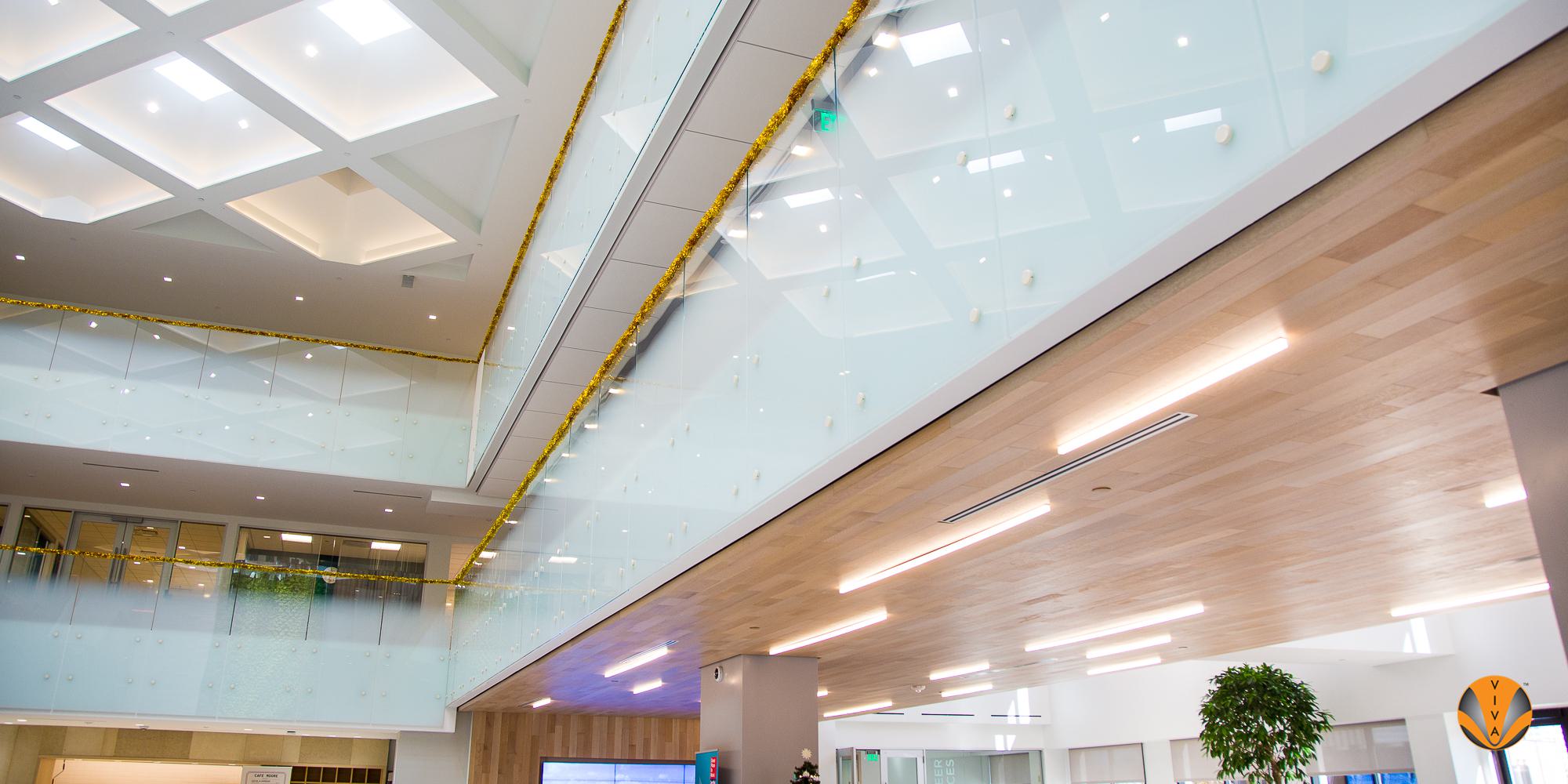
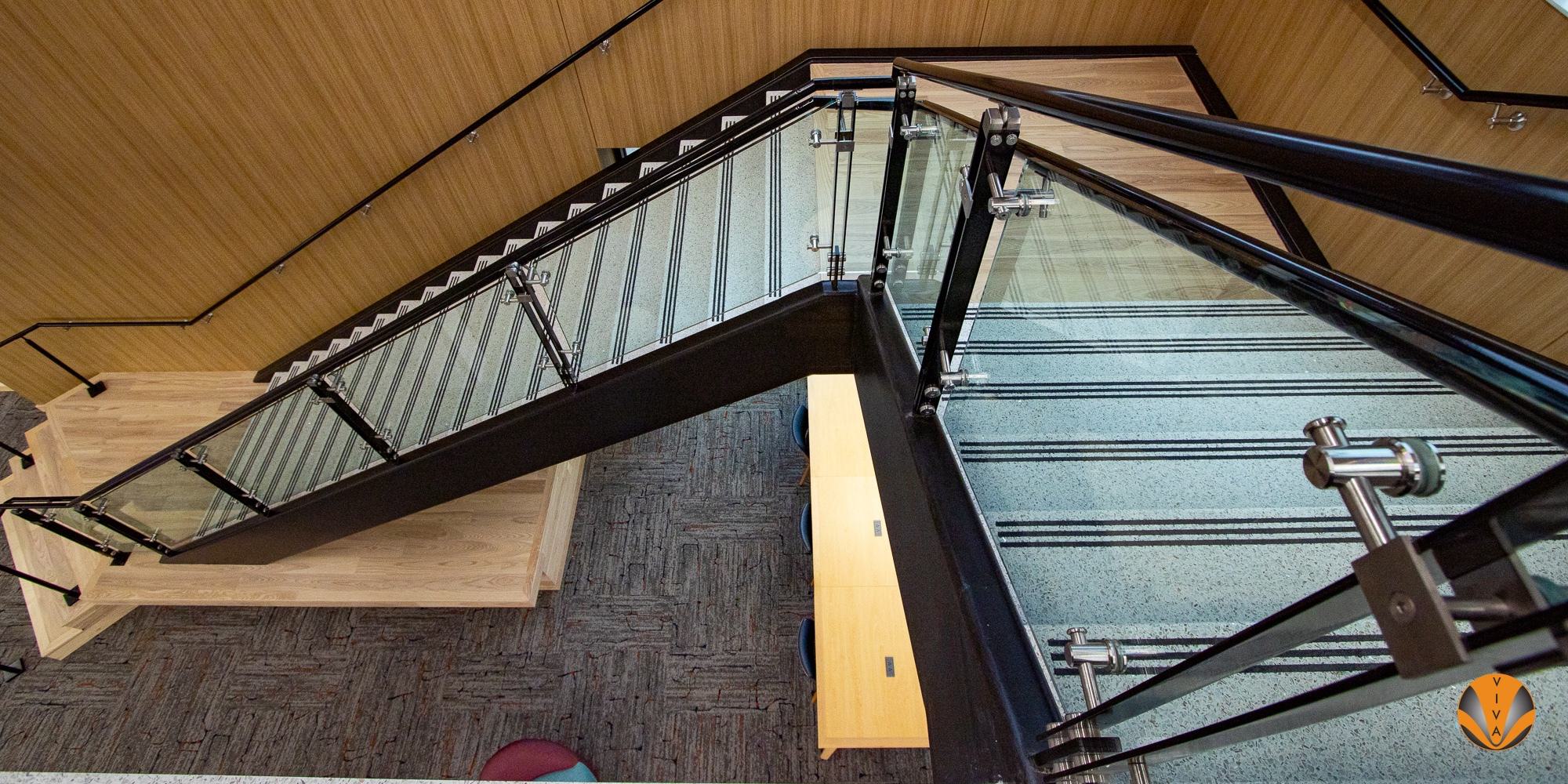
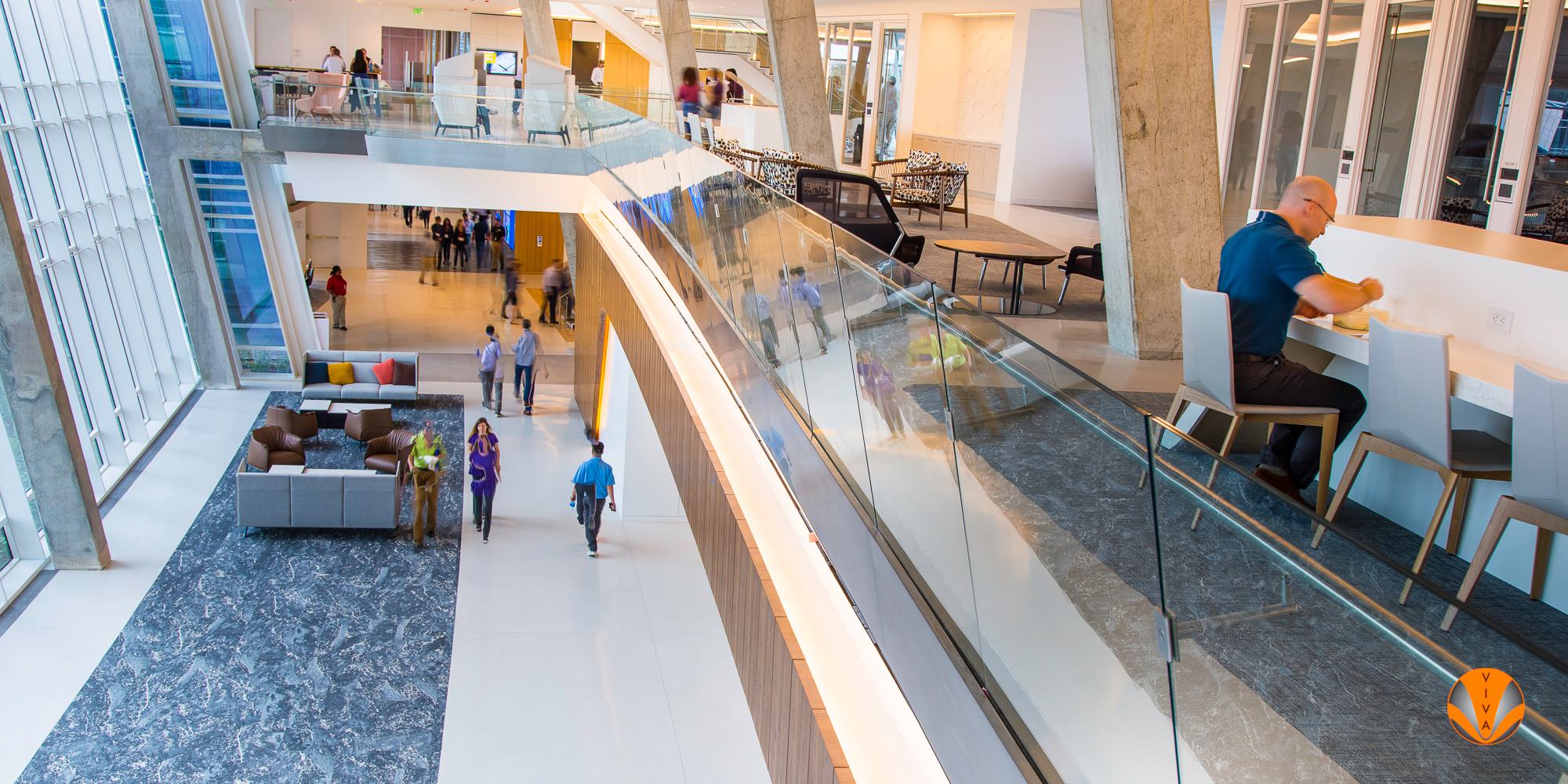
South Lake Union — the neighborhood Amazon built around its headquarters campus — is the most concentrated source of glass railing demand in Seattle. The cluster of tech headquarters, lab buildings, and mixed-use commercial structures that has risen around Amazon's original Spheres campus represents a sustained construction program that has lasted over a decade and shows no sign of abating. In these buildings, frameless base shoe glass railing is the default interior specification: lobby stair features, mezzanine edges, conference center overlooks, and the internal bridges and connections between buildings that are a signature of the South Lake Union campus architecture. VIVA supports these scopes with the design-assist workflow and documentation discipline that Amazon's project management teams and their GC partners expect.
Seattle's Waterfront redevelopment — the long-anticipated transformation of the central waterfront following the removal of the Alaskan Way Viaduct — is creating a new commercial frontier along Elliott Bay. The mixed-use buildings, hospitality projects, and public market expansions that are rising on the waterfront bring a specific hardware requirement: the marine air off Puget Sound, which carries salt aerosols from the Sound, creates a more aggressive corrosion environment than Portland's freshwater marine climate. Glass railing on the Elliott Bay waterfront requires fully stainless base shoe and fitting hardware, marine-grade flexible sealants, and anodized or powder-coated aluminum where aluminum extrusion is used.
Seattle also sits in a moderate seismic zone — not the same engineering challenge as San Francisco's high-seismic environment, but meaningful enough that structural glass railing anchorage needs to be coordinated with Washington State's seismic provisions under the WSBC. VIVA provides base shoe and connection details that account for Seattle's seismic loading in addition to standard IBC guardrail load requirements — documentation that Seattle's SDCI reviewers expect to see in a structural glass railing submittal.



 Schedule Meeting
 Connect on LinkedIn