

 Glass Balcony Railing Systems in Phoenix, AZ | VIVA Railings
 Talk to a Specialist

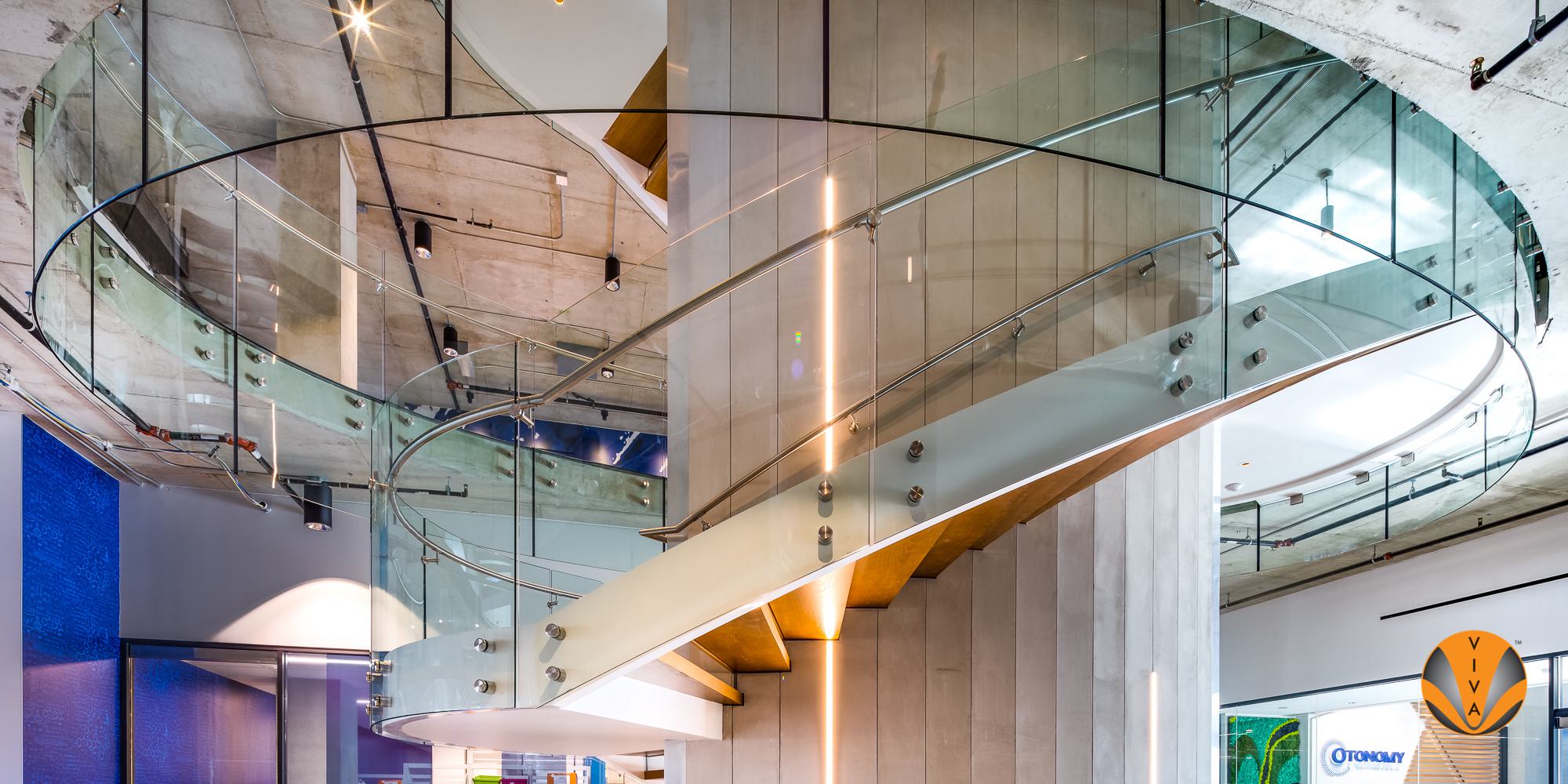







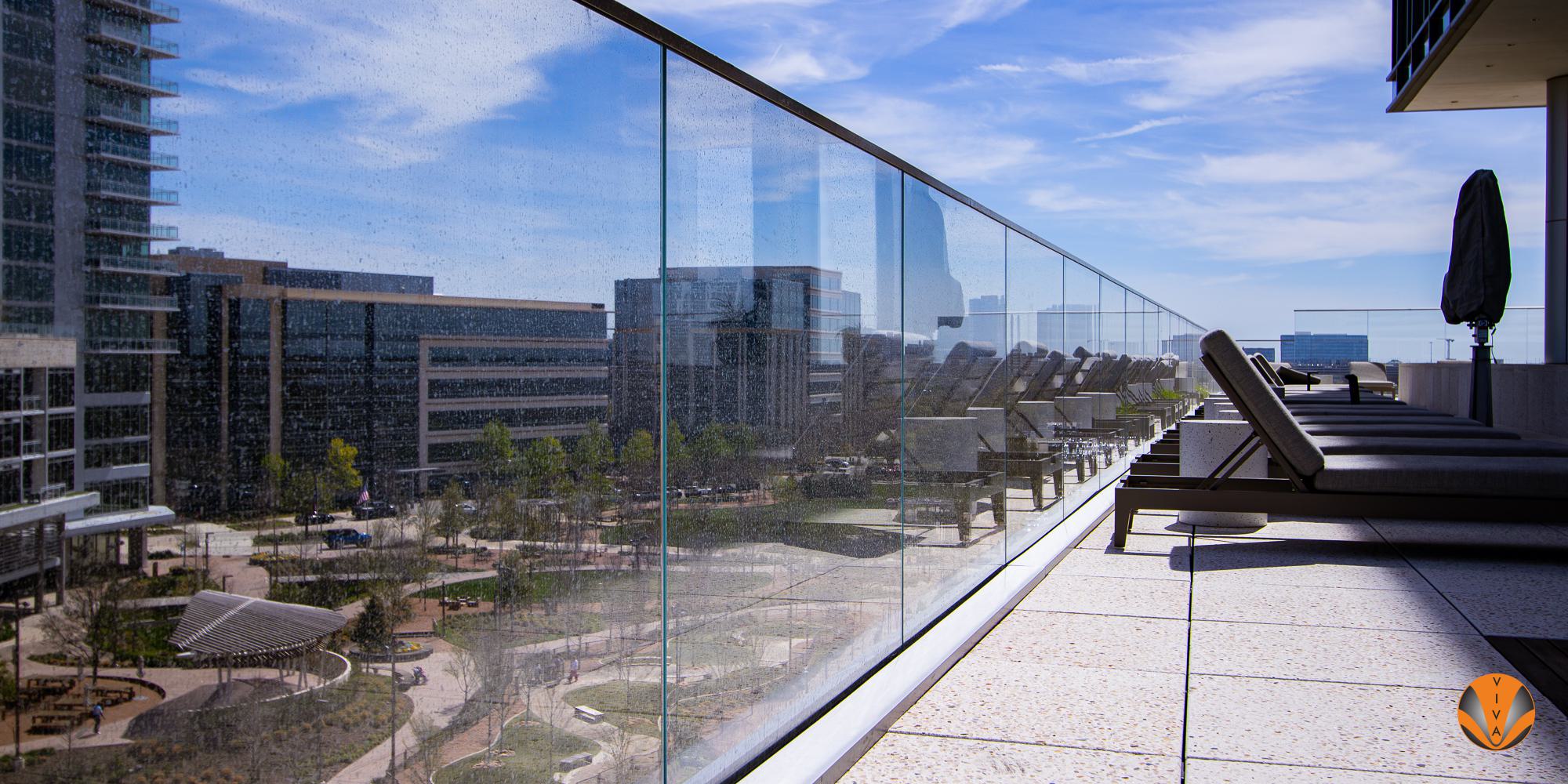
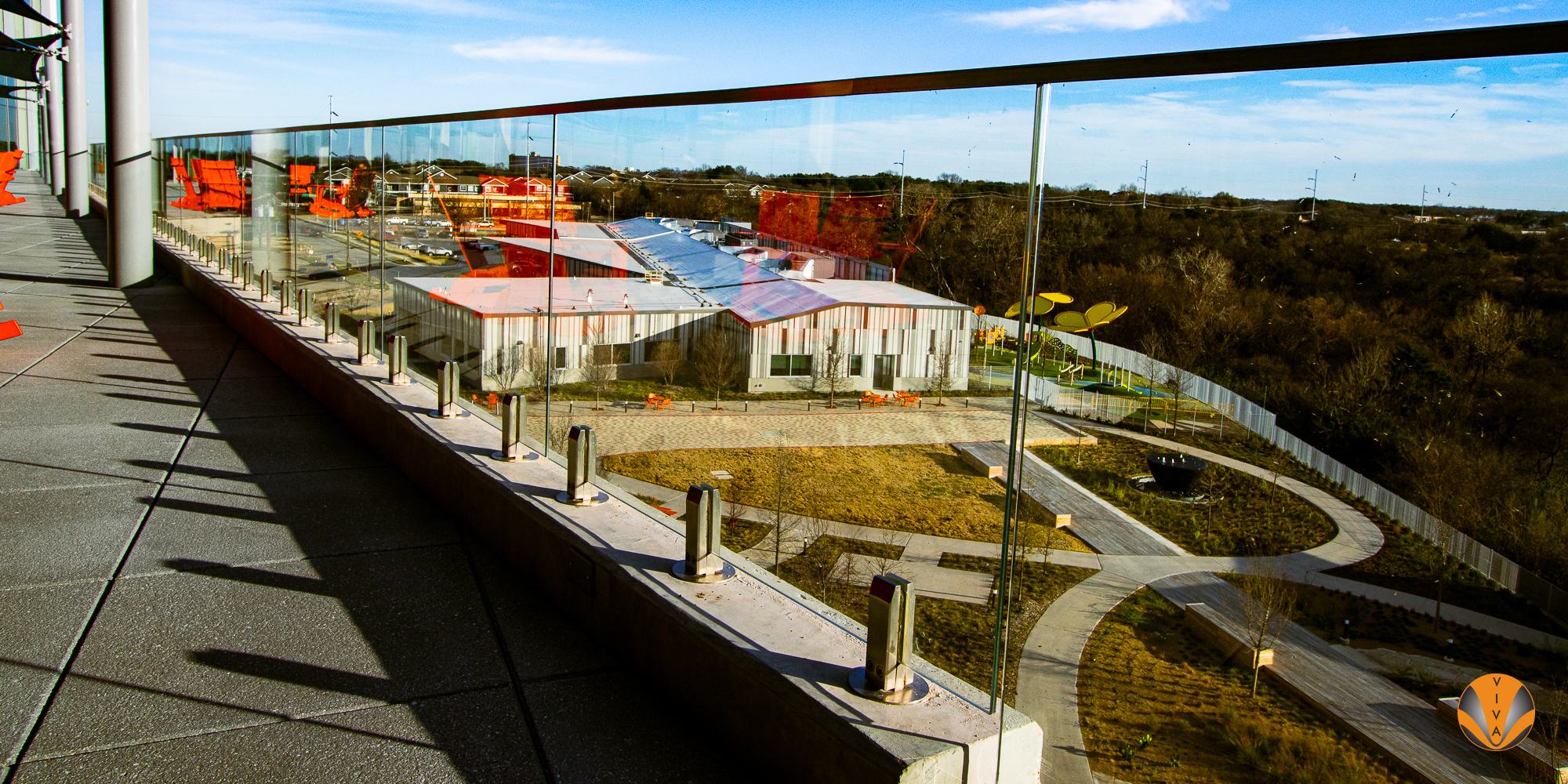


Glass Railing Systems for Las Vegas's Resort, Hospitality, and Convention Market
Las Vegas is the most concentrated hospitality construction market in the United States — a city where the commercial building stock is dominated by resort towers, casino floors, convention centers, and entertainment venues operating at a scale that no other market approaches. The glass railing system demand this market generates is enormous: every resort has pool decks, lobby overlooks, mezzanine features, and walkway connections that require guardrails. At Strip resorts, these applications run to thousands of linear feet across a single property. And the expectation is that every foot of glass railing looks as pristine at year five as it did at opening.
The desert environment is the specification challenge that defines Las Vegas glass railing more than any other factor. Summer temperatures that regularly exceed 110°F — with pool decks and rooftop surfaces absorbing solar radiation that pushes surface temperatures 20 to 30 degrees higher than ambient air — create thermal movement in base shoe channels, glass panel edge seals, and post base connections that, if not designed for, leads to sealant cracking, glass panel fit issues, and hardware loosening within two to three years. VIVA specifies high-temperature sealants, UV-stable powder-coat with verified film thickness over properly prepared substrate, and base shoe configurations with thermal expansion accommodation for every Las Vegas exterior glass railing scope. These are invisible details when done correctly — and very visible problems when they're not.
The compressed schedule reality of Las Vegas hospitality construction is a coordination factor that separates experienced railing partners from unprepared ones. Resort opening dates are driven by gaming licensing timelines, convention calendar bookings, and ownership's marketing programs — and they don't move for railing lead times. VIVA engages Las Vegas design teams early, at design development, to ensure that glass railing specifications are locked before construction documents are issued, fabrication is scheduled in alignment with the project timeline, and the documentation needed for Clark County Building Department review is ready before the permit window opens.
Downtown Las Vegas represents a second, distinct market — the urban entertainment and residential development along Fremont Street and the growing Arts District that is reshaping the blocks around the original casino core. These projects — boutique hotels, food halls, creative office, and the market-rate housing that follows urban amenity investment — create glass railing demand at a smaller scale but with design expectations that match the premium character of Downtown's most successful development.



 Schedule Meeting
 Connect on LinkedIn