

 Cable Railing Systems in Boston, MA | VIVA Railings
 Talk to a Specialist

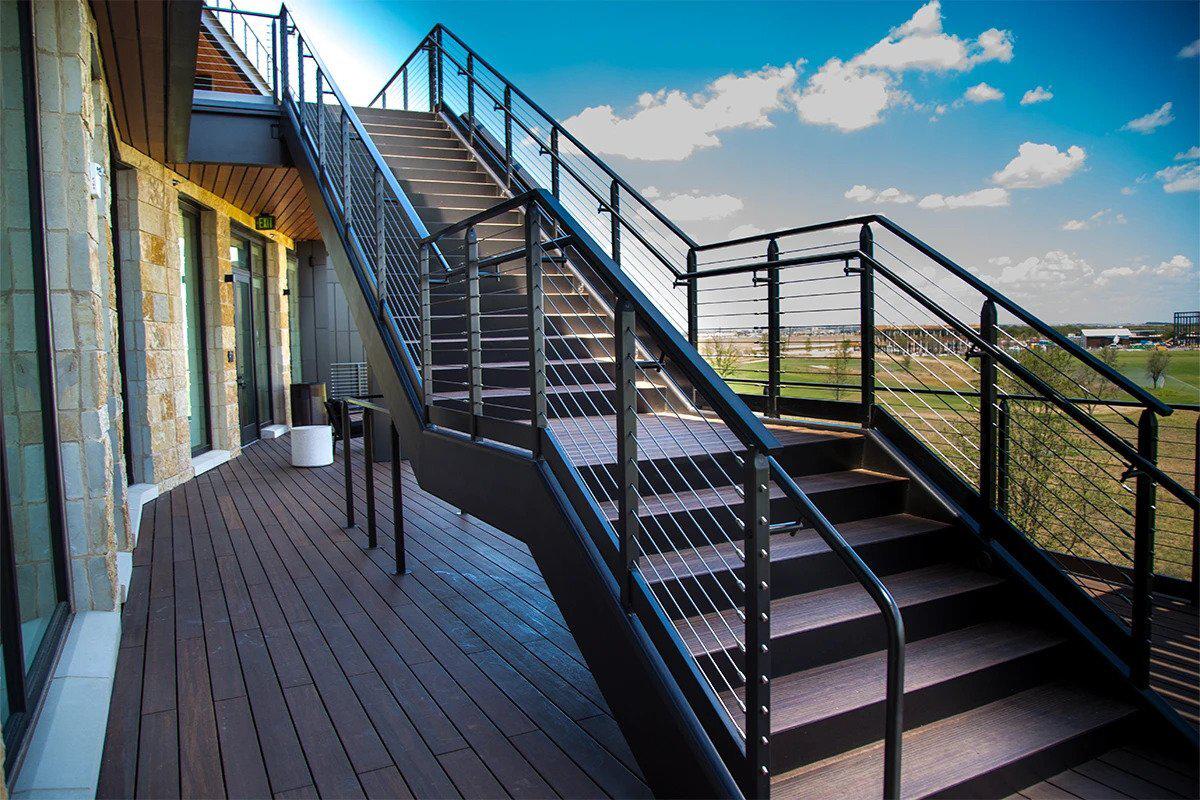







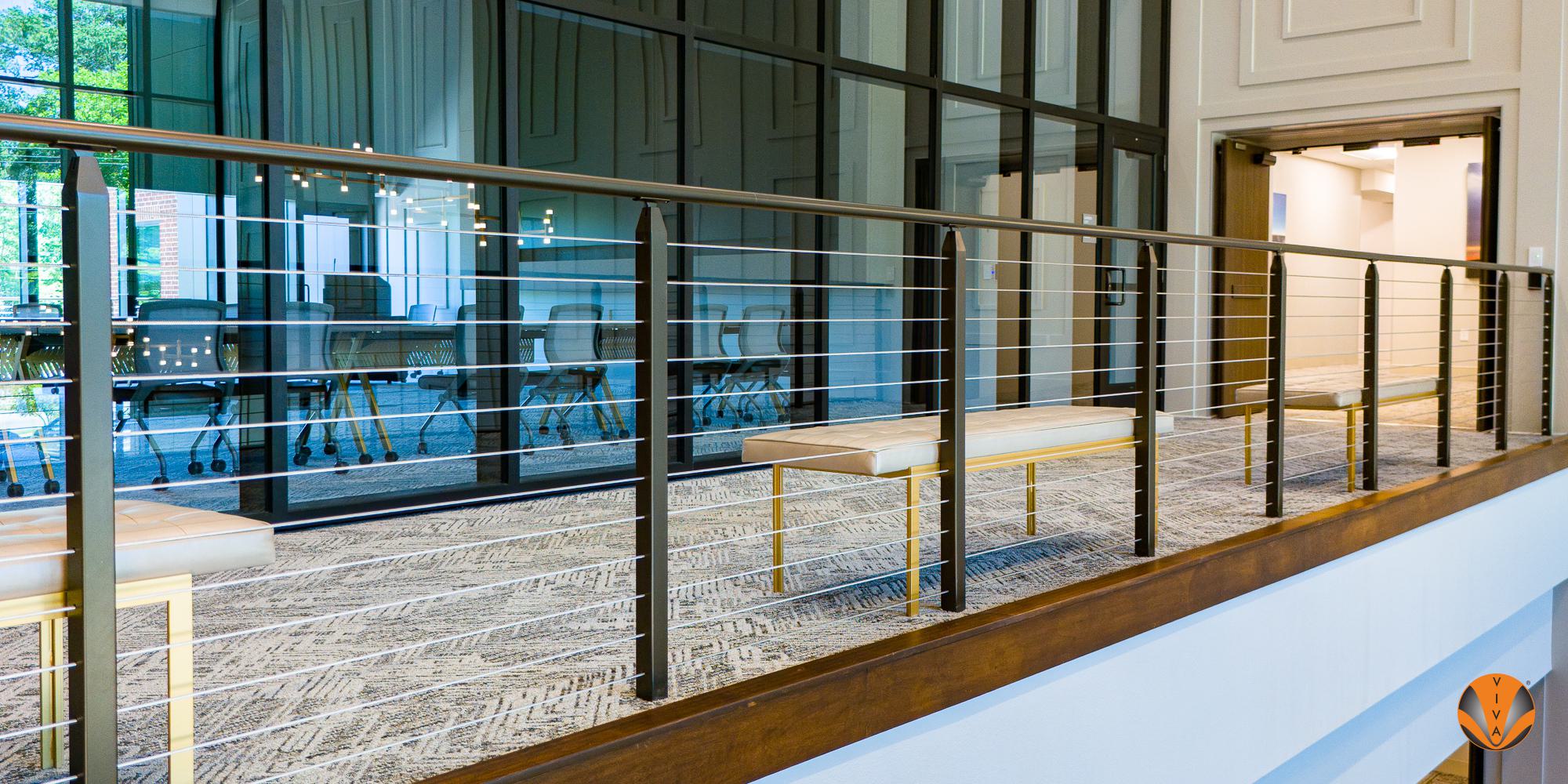


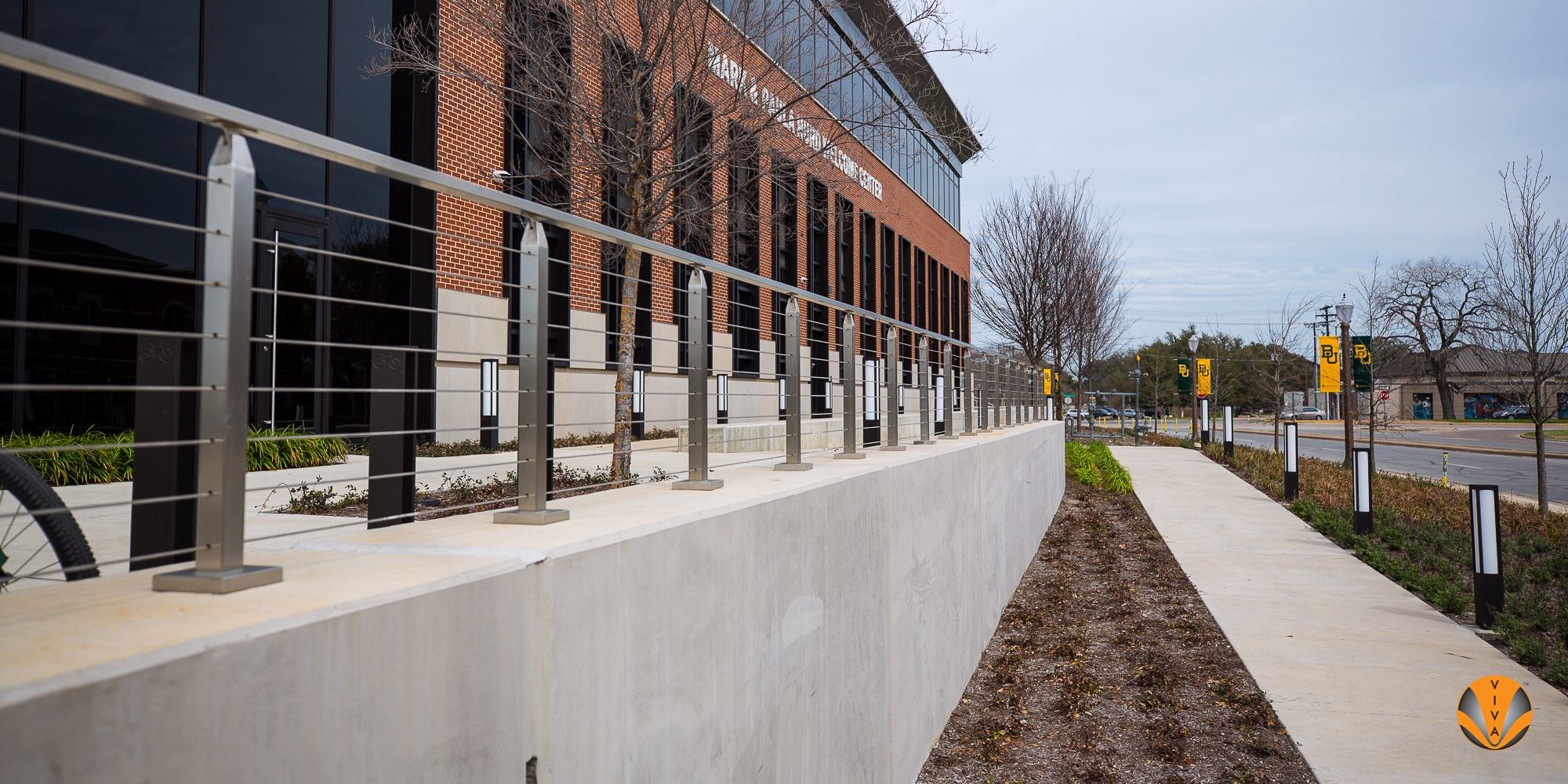
Cable Railing Systems for Boston's Seaport, Kendall Square, and Institutional Commercial Market
Boston occupies a distinctive position in the Northeast commercial construction landscape. The city is simultaneously a center of global life science and biotech research, anchored by the extraordinary concentration of companies and institutions in Kendall Square; a waterfront commercial development market where the Seaport Innovation District has transformed the South Boston waterfront into the most active commercial zone in New England; and an institutional construction market anchored by Harvard University, MIT, the Longwood Medical Area, and the academic medical centers that make Greater Boston one of the leading healthcare and biomedical research regions in the world. Cable railing systems appear consistently across all three of these market forces.
The Seaport District hardware specification is the most technically specific dimension of Boston cable railing work. The Seaport occupies a peninsula extending into Boston Harbor — the same body of salt water that historically defined Boston's maritime economy. The salt air exposure at Seaport District outdoor cable railing applications is genuine marine air exposure, not the freshwater marine climate of Portland or Seattle. 316 stainless cable and hardware is the baseline specification for Seaport District exterior applications, with anodized or high-quality powder-coat aluminum post systems and marine-grade flexible sealants. This is the same standard that applies on the Atlantic coast from New York to Miami — because Boston Harbor's coastal environment creates the same corrosion risk.
Massachusetts 780 CMR — the Massachusetts State Building Code — is the regulatory context that shapes Boston cable railing documentation. The Massachusetts amendments to IBC include specific provisions that affect railing specification, and Boston's Inspectional Services Department (ISD) applies these with the thoroughness expected of a city that takes its building code seriously. VIVA provides cable railing documentation structured for 780 CMR compliance and ISD review, anticipating the Massachusetts-specific requirements that can delay permit review if they are addressed reactively rather than proactively.


 Schedule Meeting
 Connect on LinkedIn